THE GREAT ZANSKAR TRAVERSE - LA GRANDE TRAVERSEE DU ZANSKAR - HIMALAYA INDIA
The mythical trek that has made the reputation of this Himalayan region as the Great Zanskar Traverse or Grande Traversee du Zanskar (GTZ), from North to South, for better acclimatization.
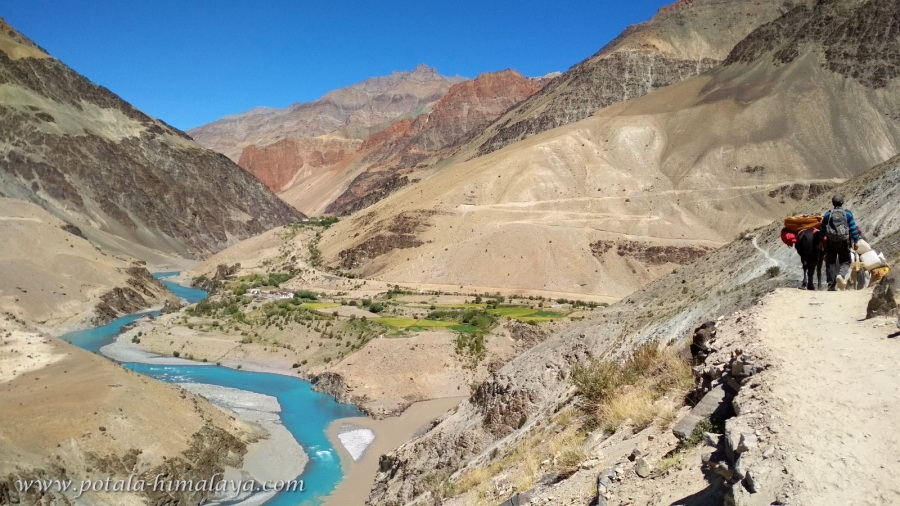
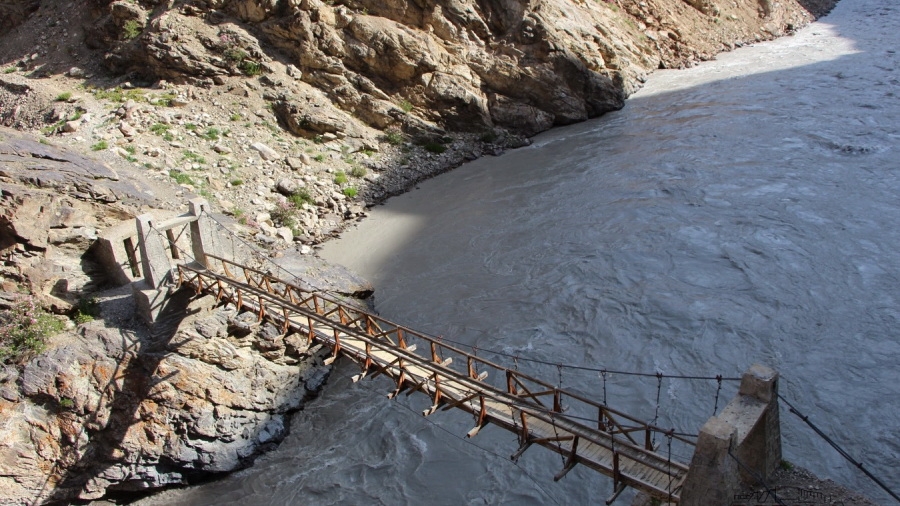
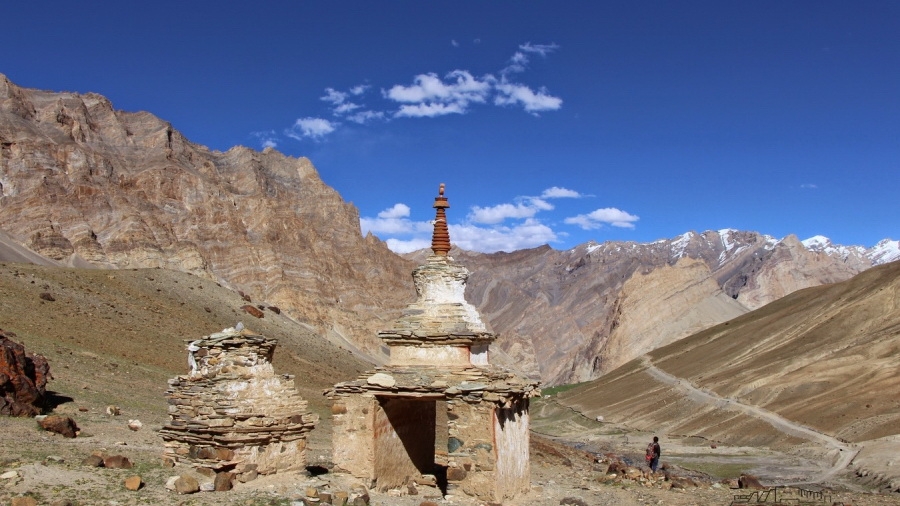
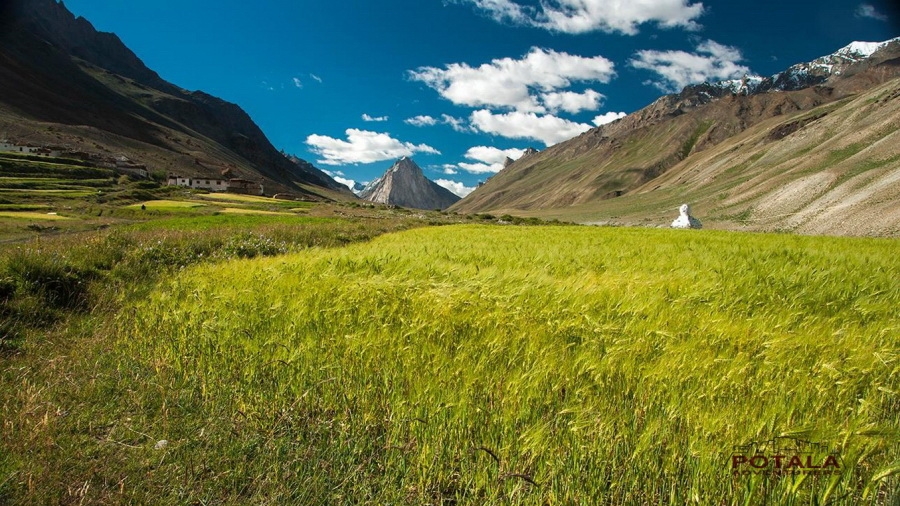
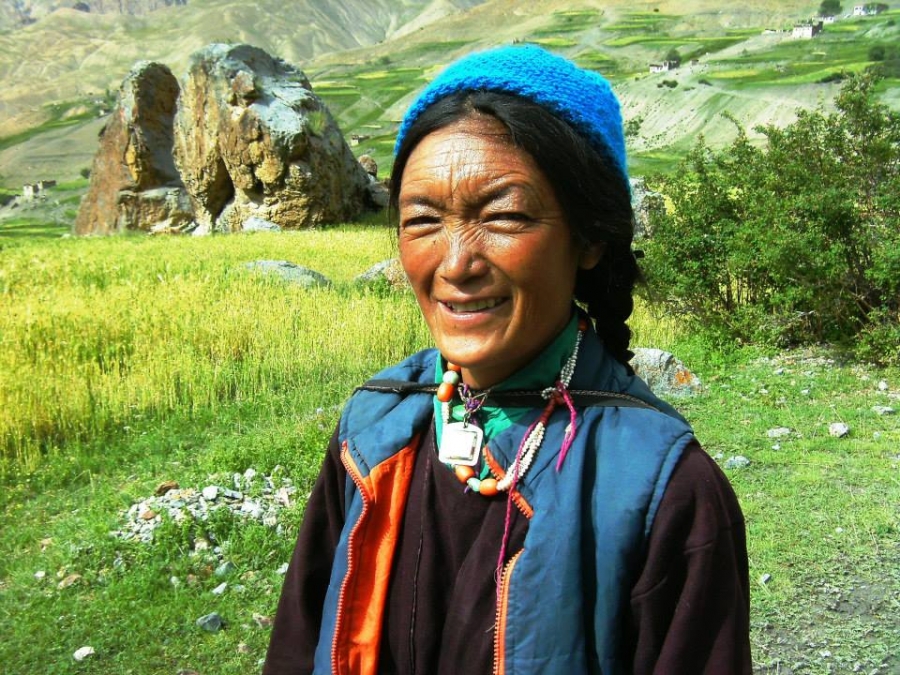
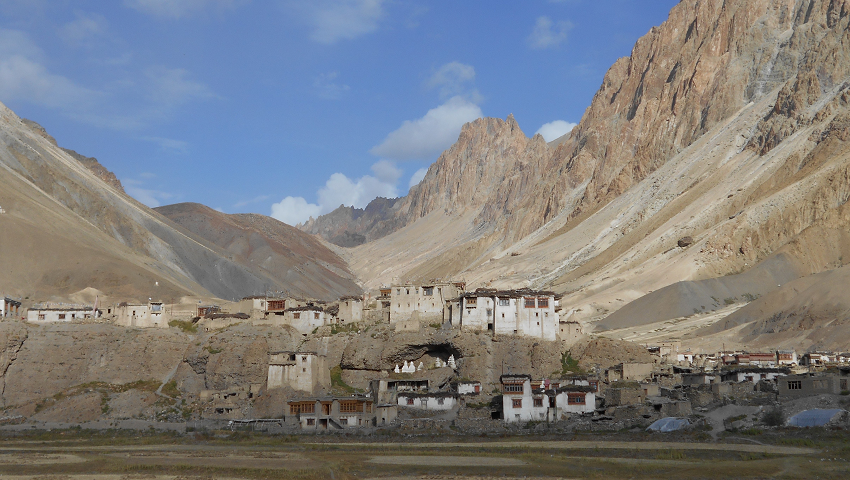
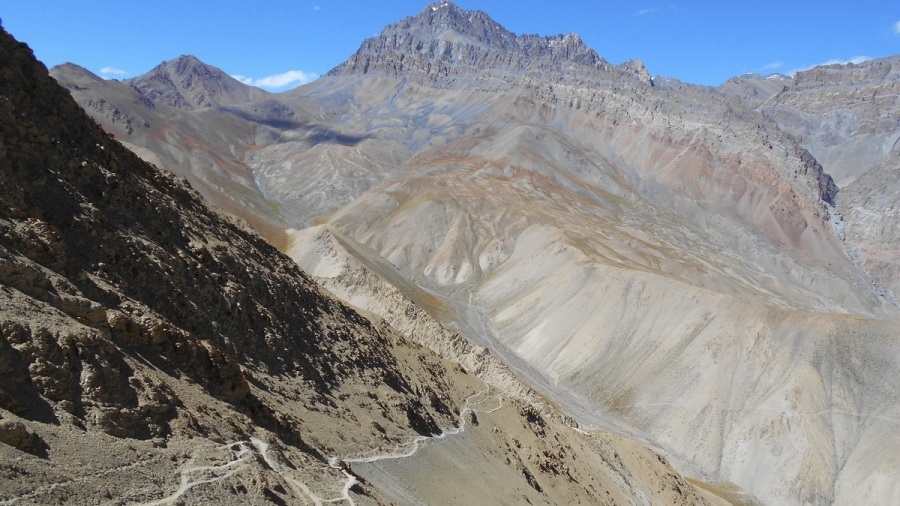
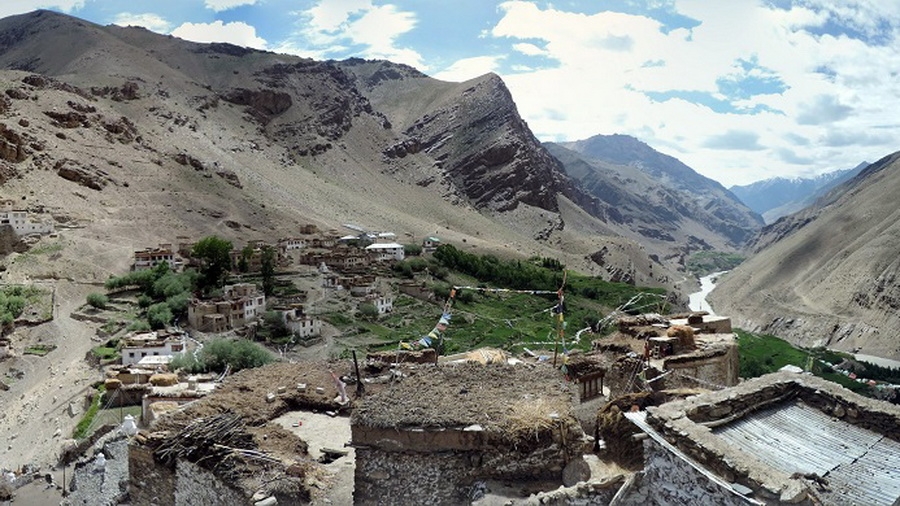
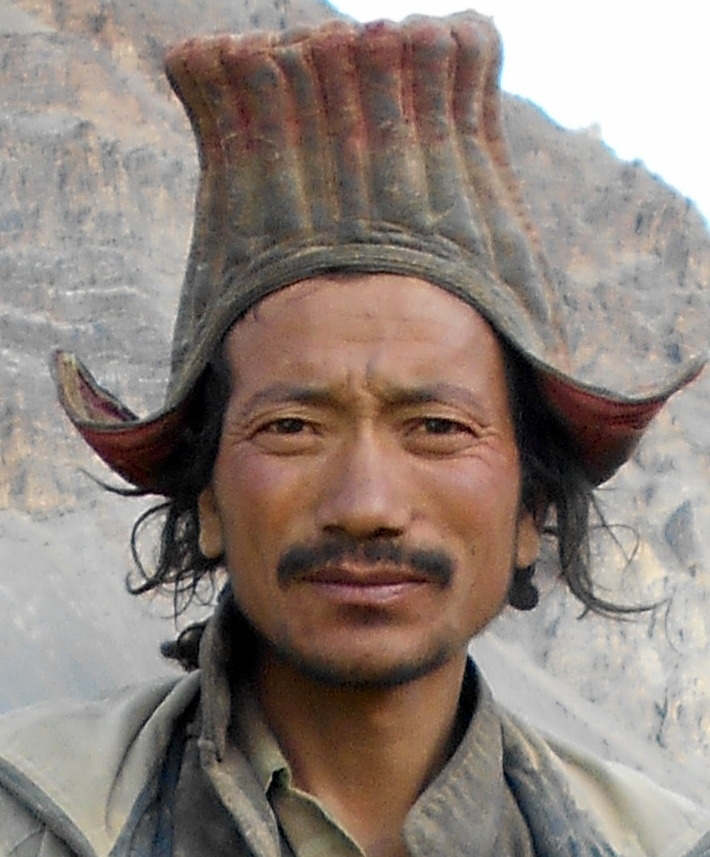
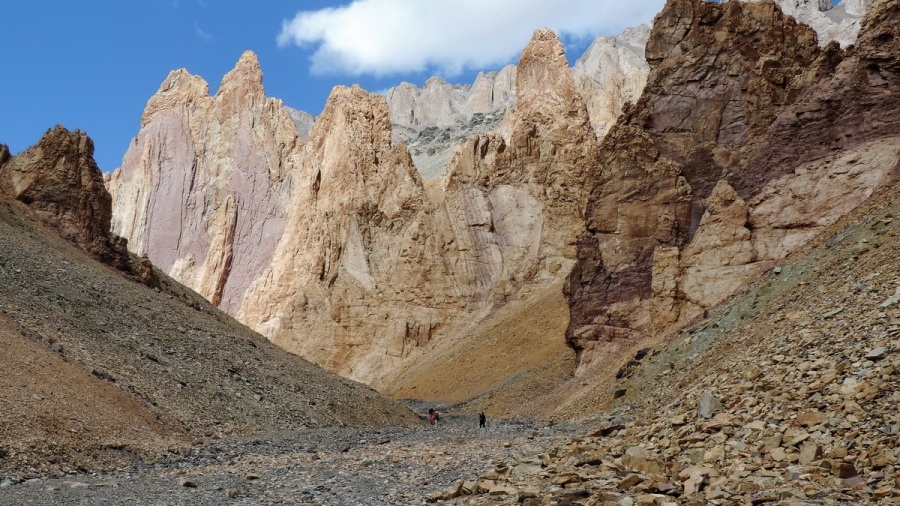
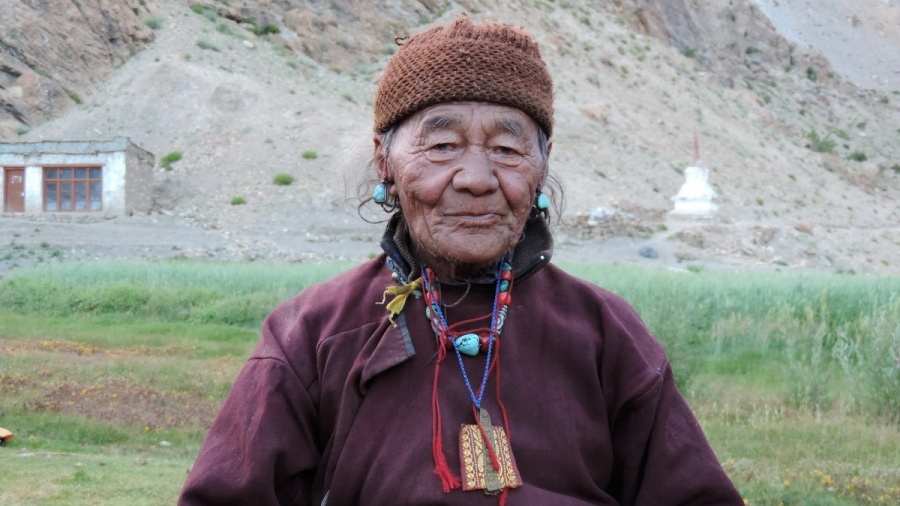
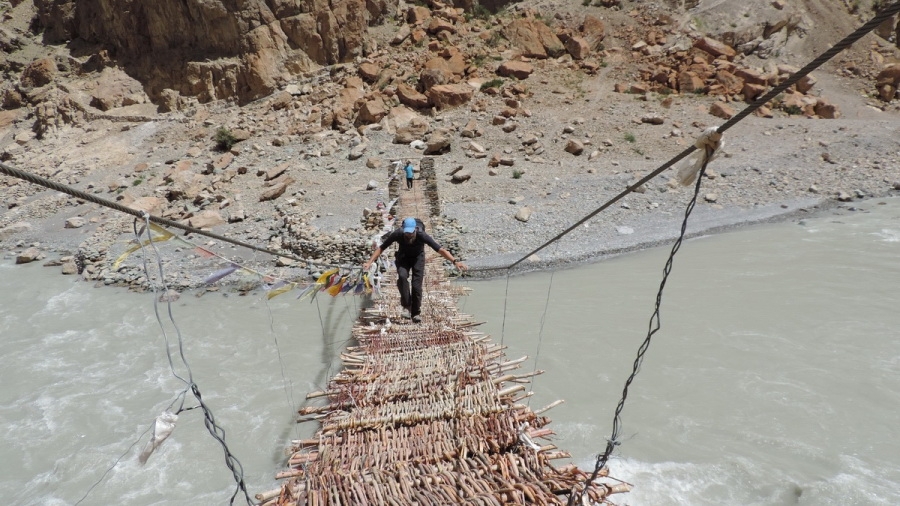
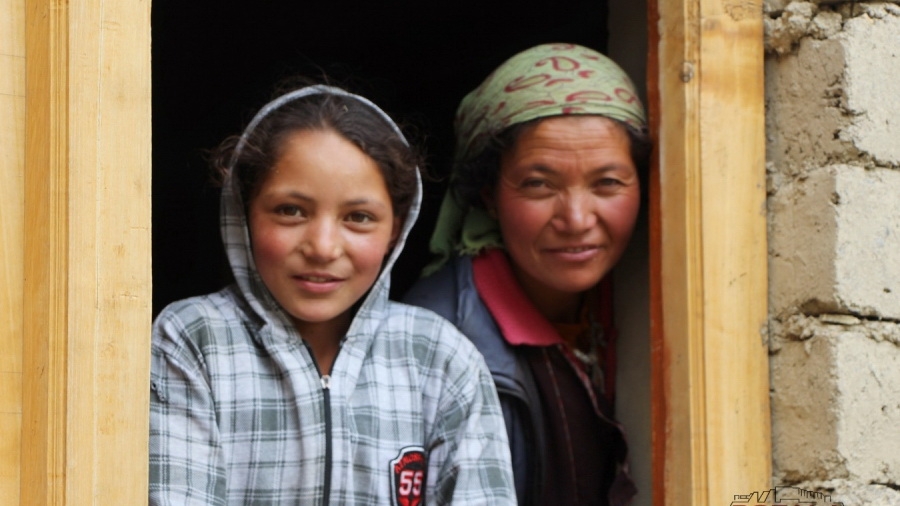
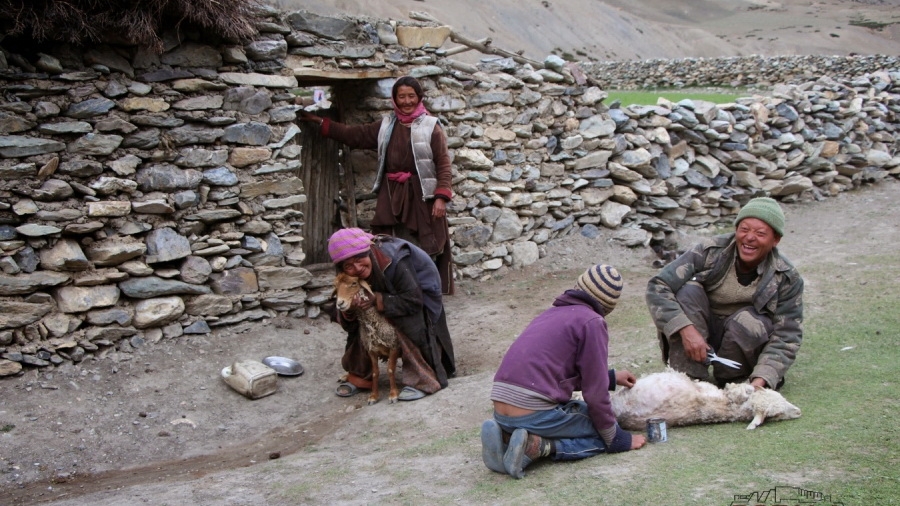
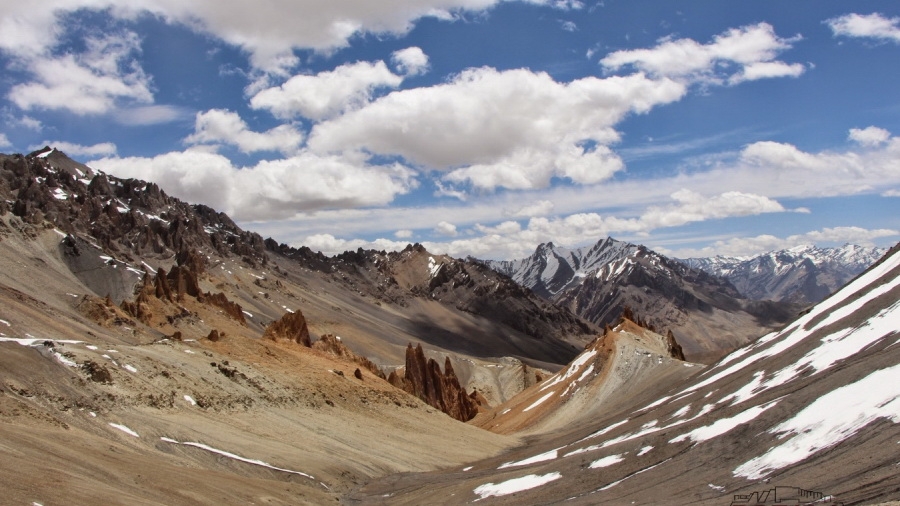
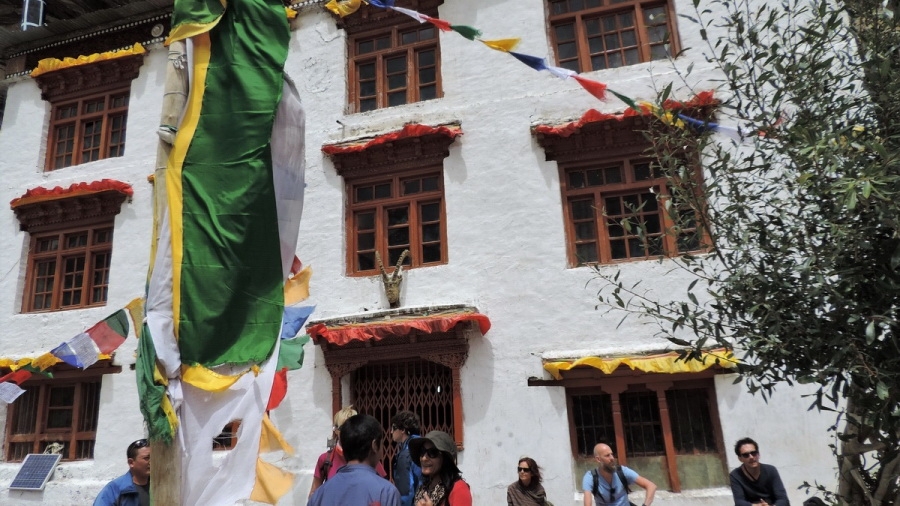
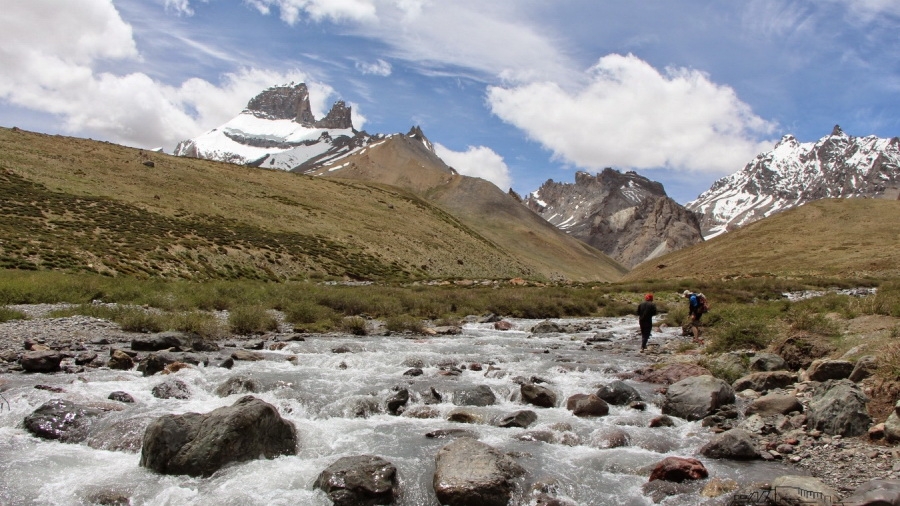
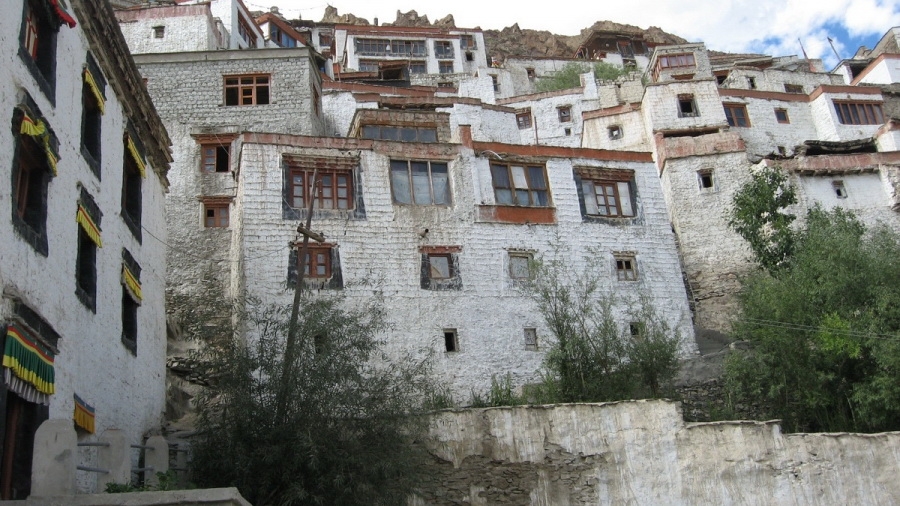
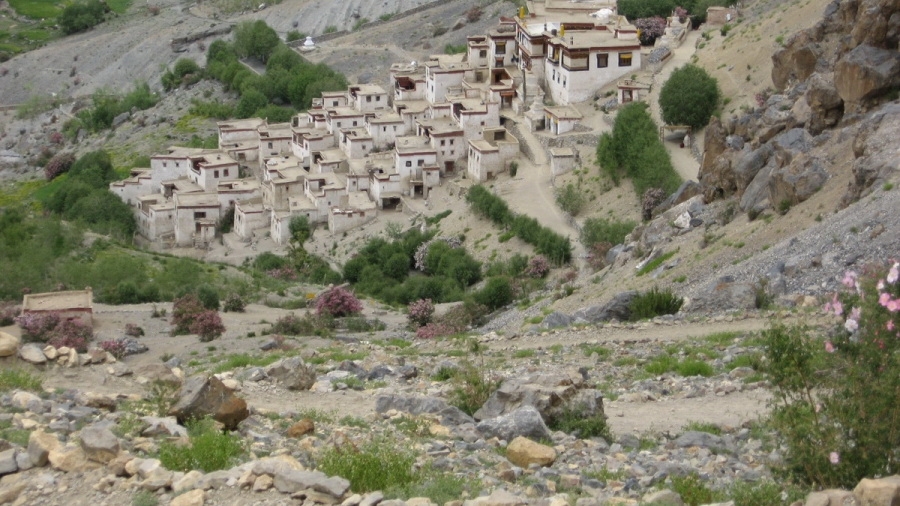
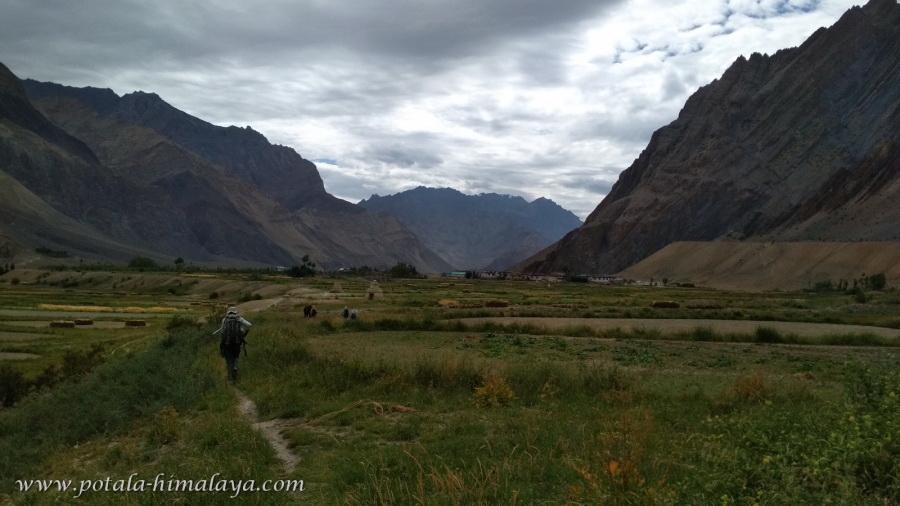
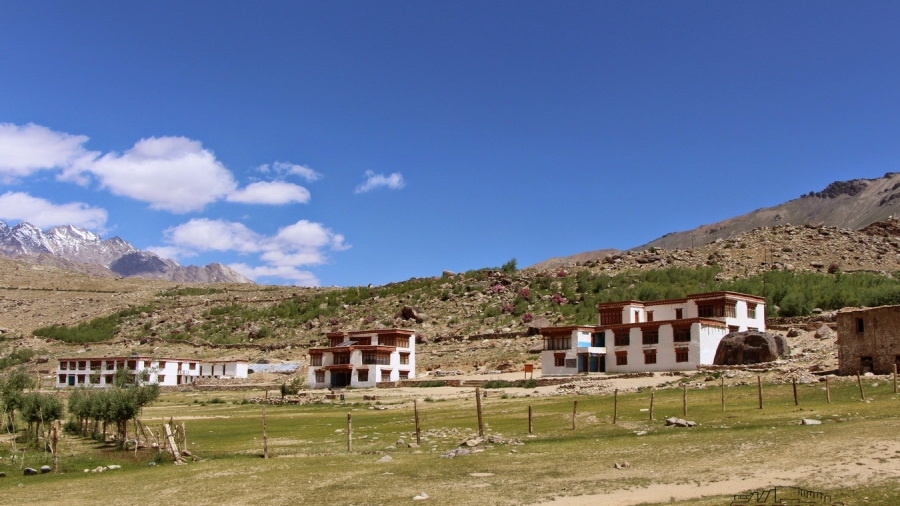
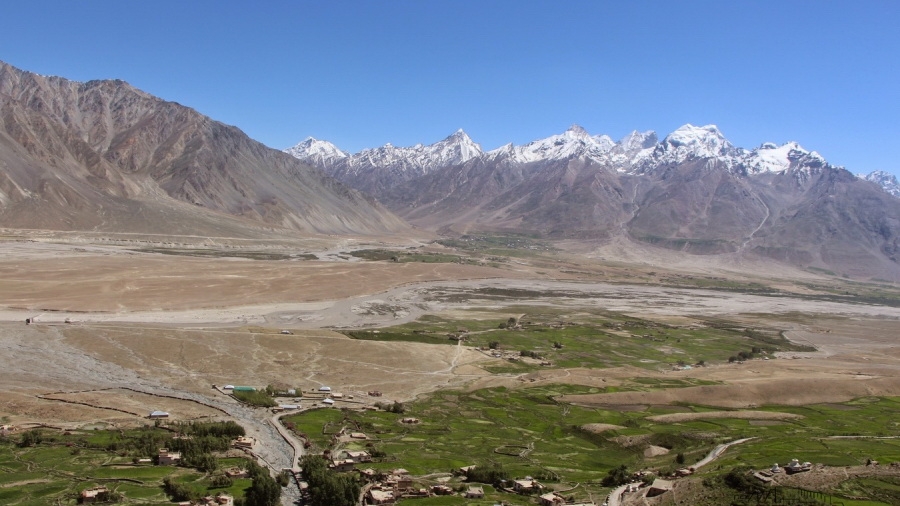
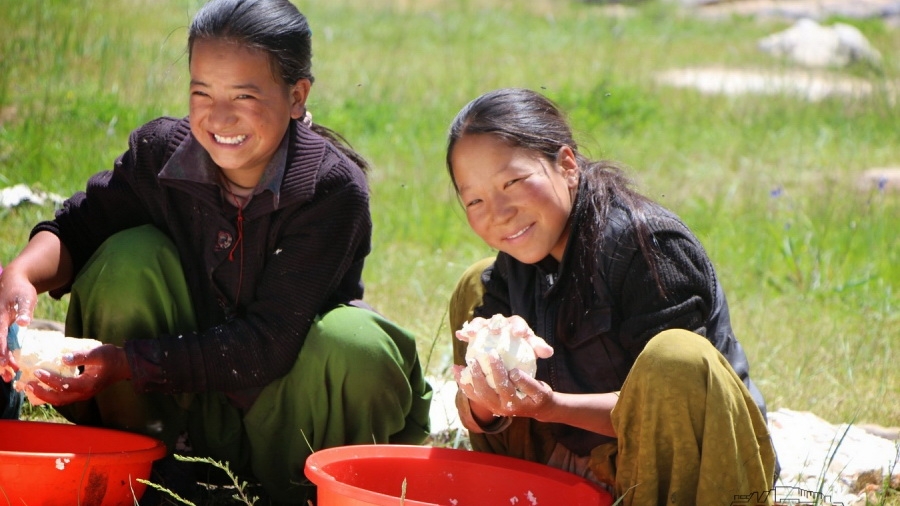
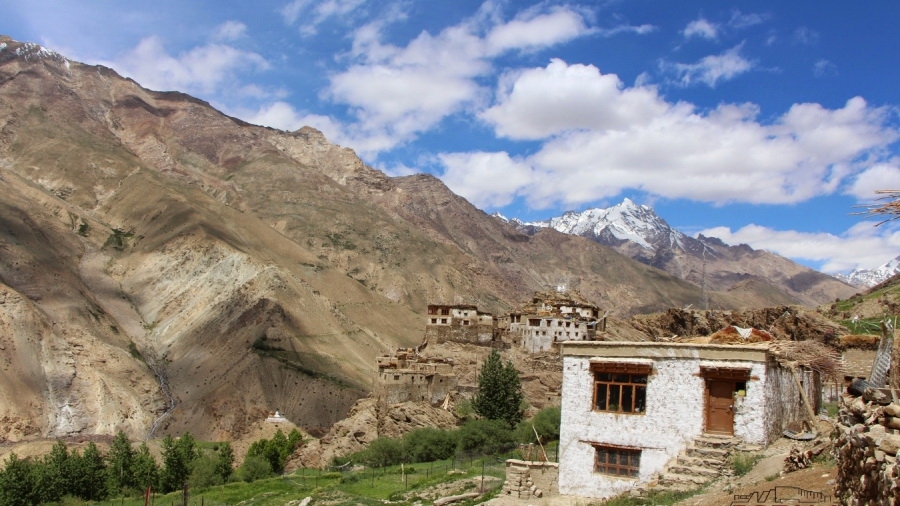
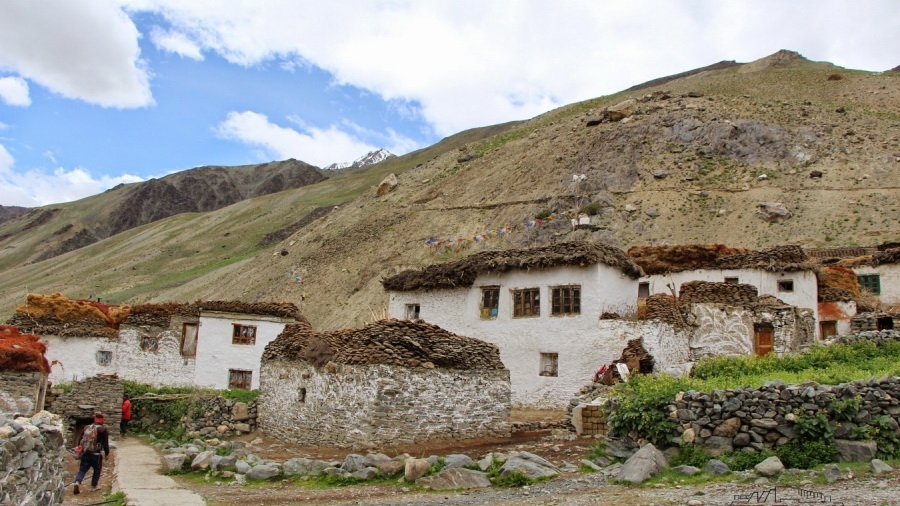
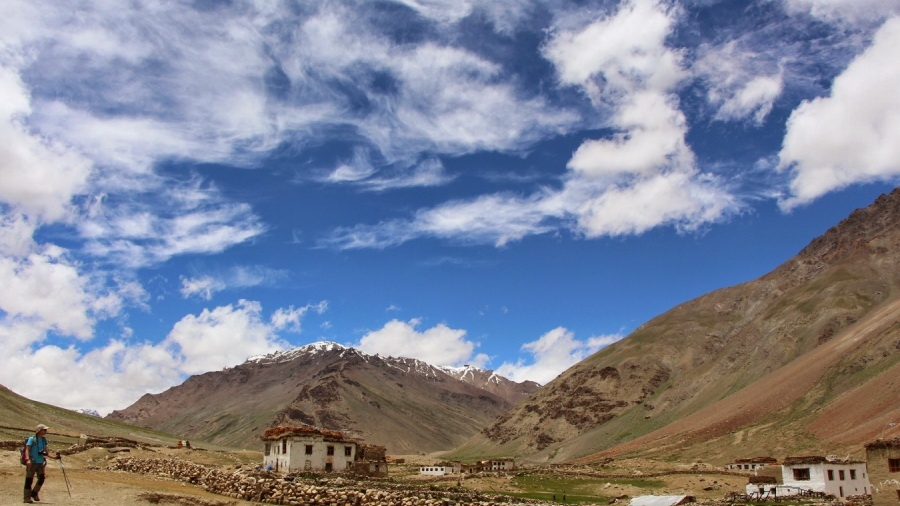
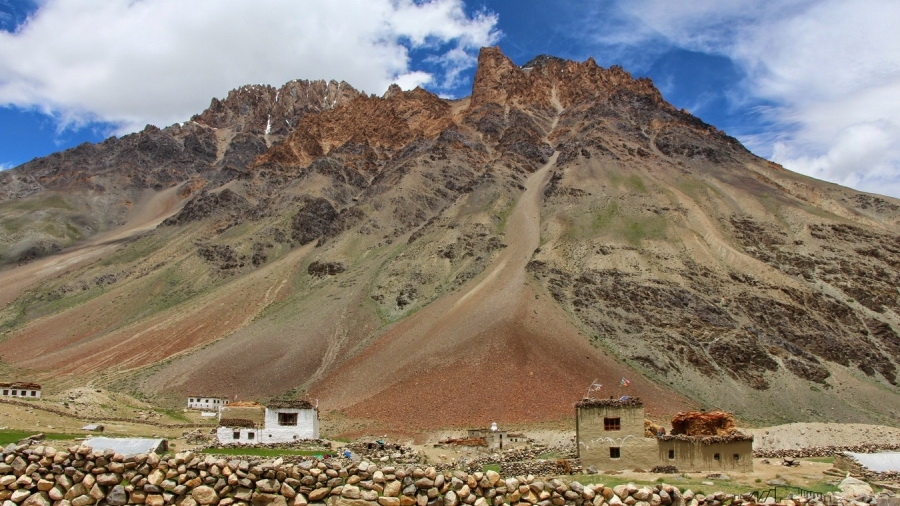
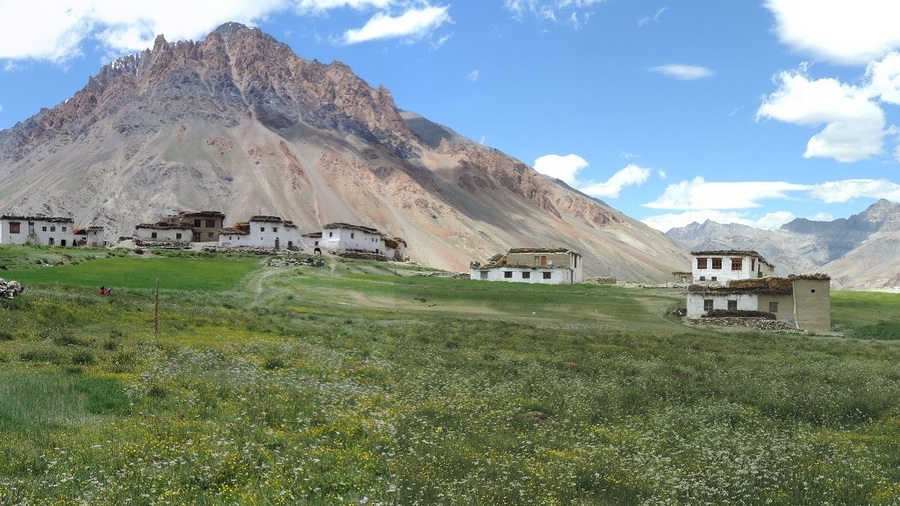
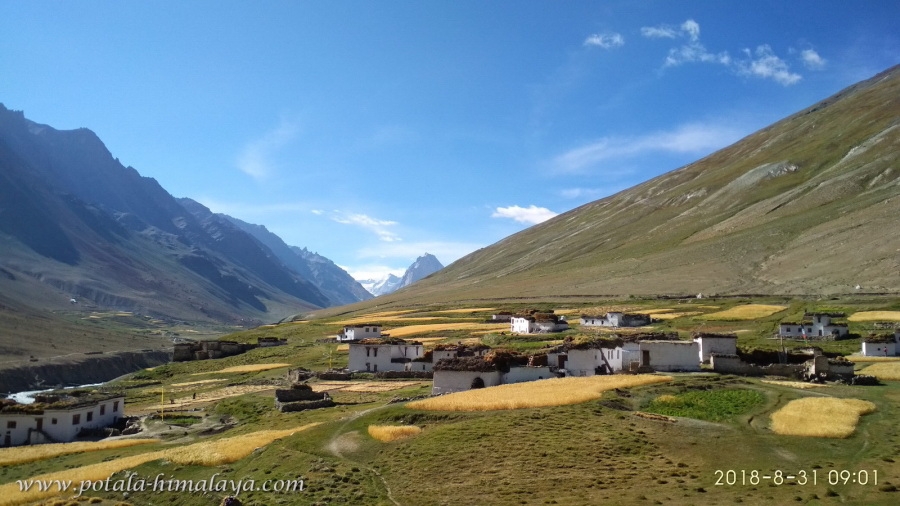
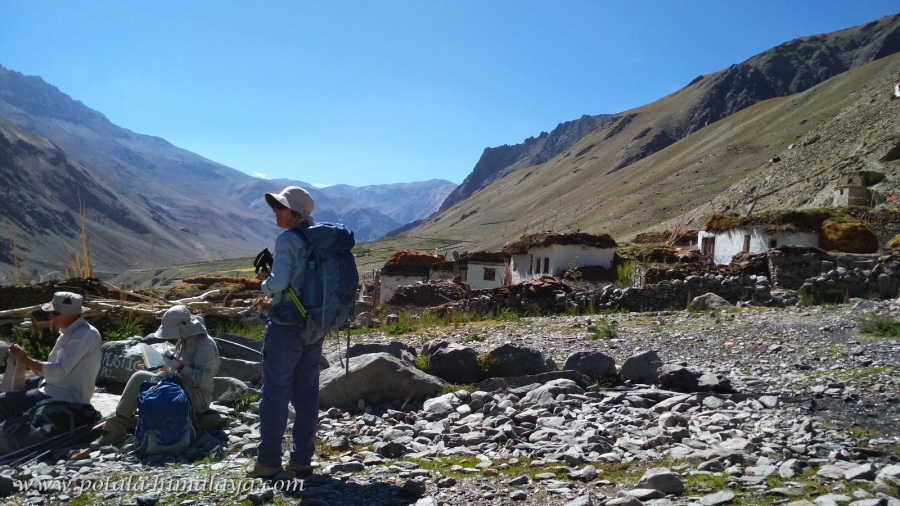
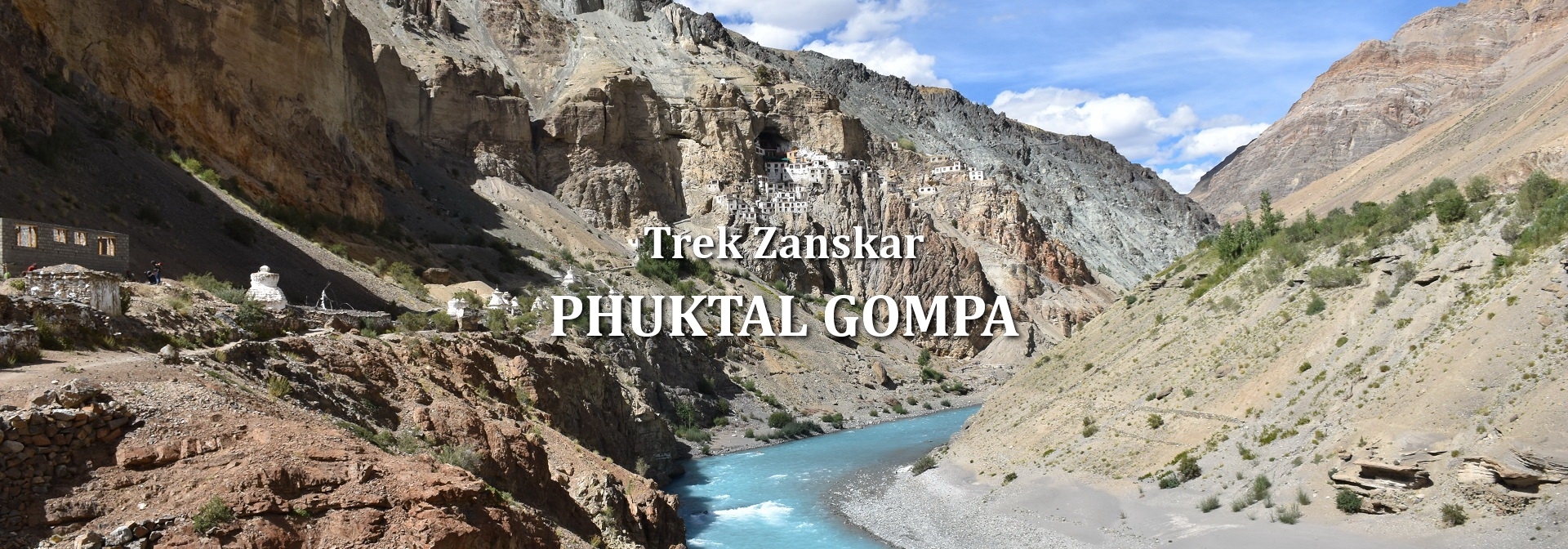
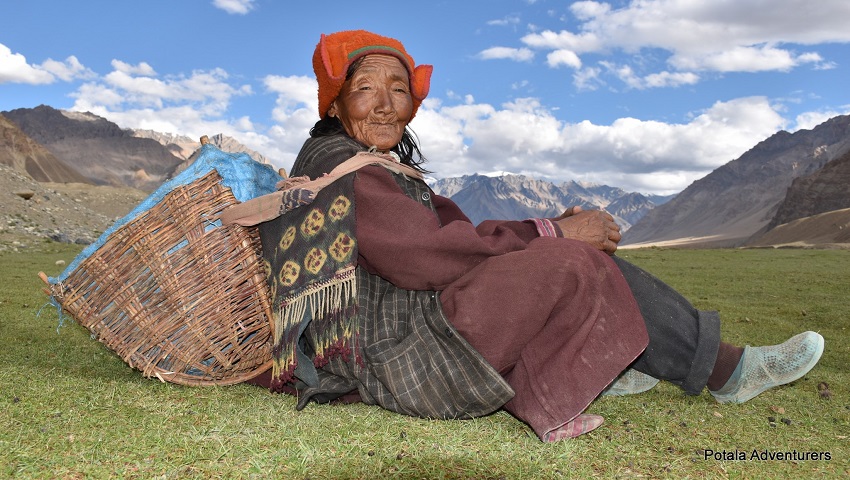
The great traverse of Zanskar is among the most outstanding trekking routes. Cut off from the world for more than 8 months of the year by the snow, the Zanskar is one of those mythical lands whose visit is deserved. Between India and Tibet, this ancient Himalayan kingdom has long been isolated from the rest of the world, surrounded by the high peaks of the Great Himalayan barrier. The opening up of the region is on the agenda, and the road progress gradually in the valleys. Time is running out, and it's time to enjoy this beautiful trek before it's too late! The Zanskar is today a region that remains authentic, punctuated with small traditional villages, rich in its Buddhist culture, omnipresent in this part of the world. Monasteries perched on eagle's nests, swinging rope bridges, women in "Perak" covered with turquoises ... You follow this mythical route, with steps studied for good acclimatization to the altitude, and a transfer in the vehicle to avoid the dusty trail that now runs through the Padum Valley. The famous village of Lamayuru is on the program, as well as the iconic monastery of Phuktal, a grand monastery adjoining its cliff ... The great traverse of Zanskar is also a sporting route.
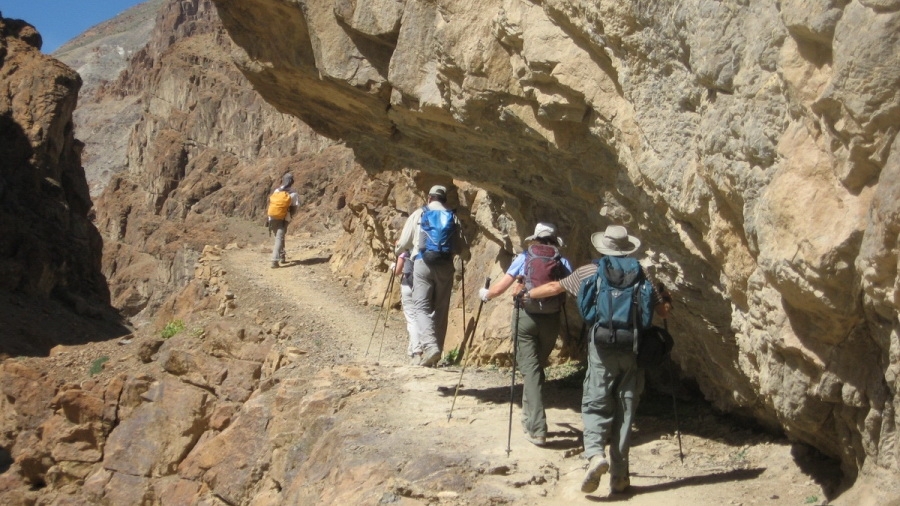
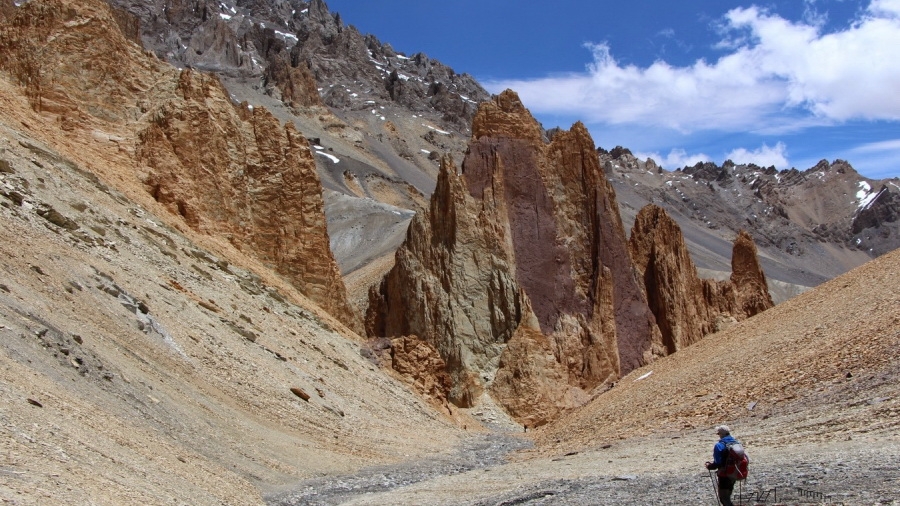
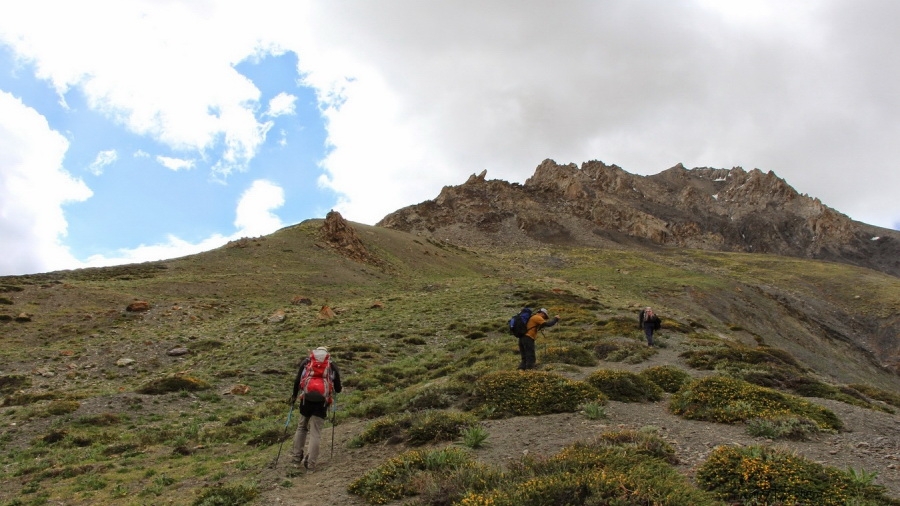
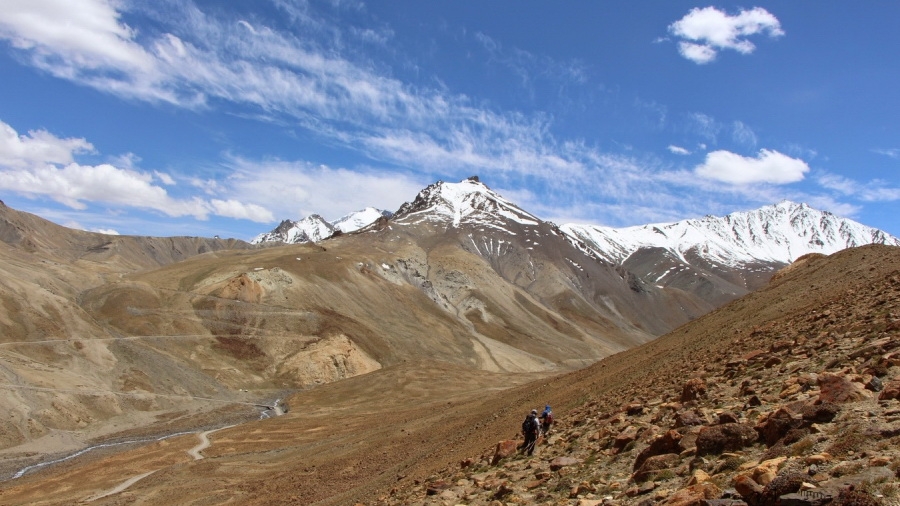
17 days of walking and 6 mountain passes to cross in the heart of spectacular landscapes. The trek is divided into two parts. The first, which goes from Kanji to Padum, is rather sporty with numerous passes, which is enough to give you some muscle pain. That's what pain is, love. The second part, from Padum / Raru to Sarchu, is quite relaxed to the muscles until making the final crossing of Surichan La (5660m)
The Great Zanskar Traverse has long been the reference trek of the Indian Himalayas because of its commitment, its difficulty, and the incredibly isolated areas through which it travels. On the topographic maps, as in the imagination of adventurers, the Zanskar remains an authentic end of the world.
HIGHLIGHTS
A mythical itinerary adapted for good acclimatization, the authentic villages of the Zanskar Valley
Road transfers to avoid portions of the road, 14 days of walking tours, and 6 mountain passes
OUTLINE ITINERARY
Day 1: Delhi - Leh 3600m, Arrival in Leh
Day 2: Indus Valley tour: Visit Thiksey 3330m - Hemis 3700m - Matho 3590m - Stok 3600m
Day 3: Drive Leh - Alchi 3100m - Lamayuru 3600m - Fotu La 4100m - Kanji 3850m, 7-8 Hrs
Day 4: Trek Kanji Dok 4100m - Yogma La 4720m - Shilakong 4600m, 7 Hrs
Day 5: Trek Nigutse La 5110m - Spangthang / Urtsi Dok 4500m, 6 Hrs
Day 6: Trek Sirsir La 4800m - Photoksar 4150m, 6-7 Hrs
Day 7: Trek Boumitse La 4400m – High Camp Sengge La 4350m, 6 Hrs
Day 8: Trek Sengge La 4940m - Skiumpata 4100m, 6-7 Hrs
Day 9: Trek Lingshed 3900m - Lanang / Hanuma La base 4000m, 6-7 Hrs
Day 10: Trek Hanuma La 4800m - Snertse 3800m - Zingchen 3370m, 7-8 Hrs
Day 11: Trek Parfi La 3910m - Hanamur 3410m, 5 Hrs
Day 12: Trek Pidmo 3430m - Pishu 3450m, 6 Hrs
Day 13: Drive to visit Zangla 3650m - Stongde 3800m - Karsha 3750m - Padum 3600m
Day 14: Drive Padum – Phuktal 3900m, Trek to Phuktal, Purne 3800m
Day 15: Drive Kurgiakh, Trek Sking 4100m – Thangso - Yal
Day 16: Trek Kurgiakh 4150m - Surichan La base 5000m, 5-6 hrs
Day 17: Trek Surichan La 5660m - Chumik Marpo 4650m,7-8 hrs
Day 18: Trek Berga Spangchen / Manichen 4400m, 6 hrs
Day 19: Trek Sarchu 4200m 4-5 Hrs, Drive to Taglang La - Leh, 6- 7 Hrs.
Day 20: Leh
Day 21: Morning flight to Delhi, Evening flight back home.
Alternate Route: Sarchu - Leh
Day 19: Trek Sarchu 4200m 4-5 hrs, Drive Baralacha la 4890m - Keylong 3080m – Atal Tunnel - Manali 2050m, 6 hrs
Day 20: Manali
Day 21: Manali - Chandigarh – Delhi, 12-13 Hrs through Punjab plains.
_______________________________________________________________________
DETAILED TRIP DOSSIER
Day 1: Delhi - Leh 3600m, Arrival in Leh
Arrival in Leh, check in hotel - Acclimatize: Late afternoon visit Leh palace, Tsemo gompa, and Shanti stupa, and explore the local bazaar.
This morning arrived in Leh from Delhi by flight. Airport pickup and check into the hotel. Rest and relax at the hotel and acclimatize to the altitude of 3500m, as well as visit the Leh bazaar. Visit the Royal Palace of Leh from the 16th century. Continue to Tsemo Gompa and finally end with the visit to Shanti Stupa. Overnight in the hotel.
Day 2: Indus Valley tour: Visit Thiksey 3330m - Hemis 3700m - Matho 3590m - Stok 3600m
After breakfast, we drive to visit Shey first, then Thiksey. Thiksey monastery, which is 27 km from Hemis. This monastery is the oldest monastery of the Gelugpa School in Ladakh. The great Lama Paldan Shesrap built it in the 14th century. Here you can see the big statue of the Future Buddha. Hemis monastery, which is 45 km from Leh, takes a 90-minute drive. The great Mahasiddha Staktsang Raspa, along with the great ancestor Singey Namgyal, built the biggest monastery in the 16th century. Continue to Matho, then we drive to Stok, which is situated opposite Leh at a distance of 14 km. At Stok, visit the Royal Palace built in 1825 AD, and the palace has a great collection of antiquities. Continue to visit Matho, situated 10 km from Stok, which has a 10th-century complex. Finally, we drive back to Leh.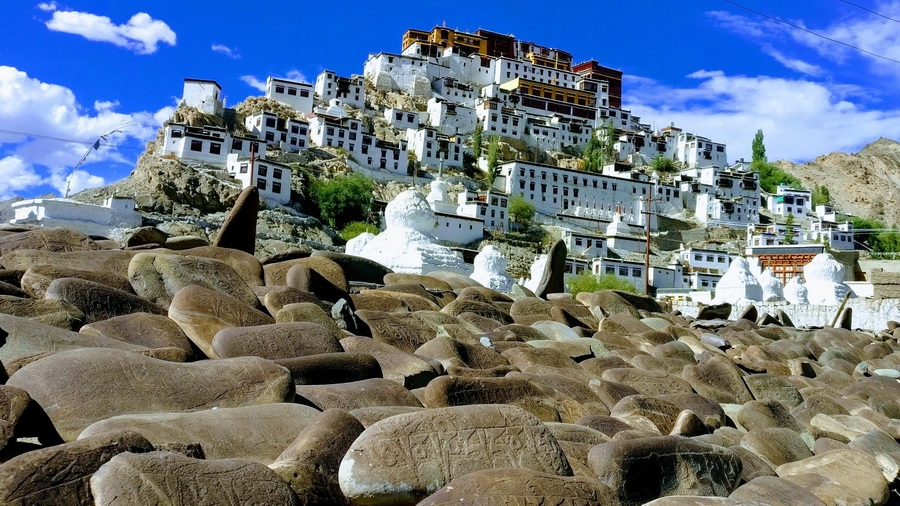
Thiksey
Day 3: Drive Leh - Alchi 3100m - Lamayuru 3600m - Fotu La 4100m - Kanji 3850m, 7-8 Hrs
Today, after breakfast at Leh, we drive to the Alchi monastery, situated at a distance of 68 km from Leh. Its monastery was built on lowlands rather than on a hilltop, as others are, to protect from enemies. The Chortens around Alchi Gompa contain numerous murals of Lotsava Rinchen Zangpo, who built this monastery. The Alchi monastery has a vast collection of wall paintings and wood sculptures. We continue to drive to Lamayuru, which is 58 km from Alchi. Indian scholar Mahasiddhacharya Naropa founded the oldest monastery in Ladakh in the 11th century. Lamayuru hosts a mask dance festival (Yuru Kabgyat) during the 17th and 18th days of the fifth month of the Tibetan Lunar calendar. It belongs to the Red Hat sect of Tibetan Buddhism; the monastery is rich with Thangkas and wall paintings. Lamayuru monastery was constructed by Arahat Nimagung between the 10th and 11th centuries. History says that in the 11th century, the Mahasidha Naropa visited this place, and the cave where he resided and meditated is still to be seen inside the monastery. After the visit, continue your journey to Kanji, still a 40 km drive. Arrive Kanji. Explore the village and overnight at camp in Kanji village, 3850m.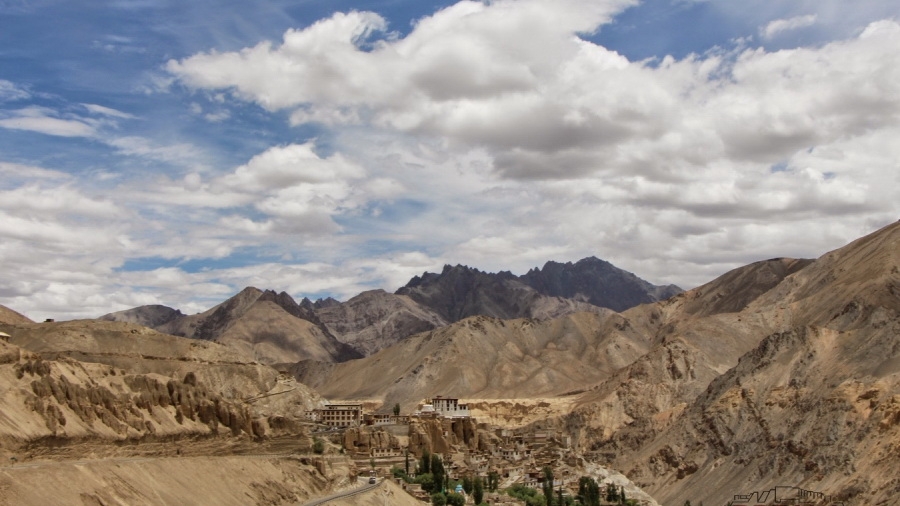
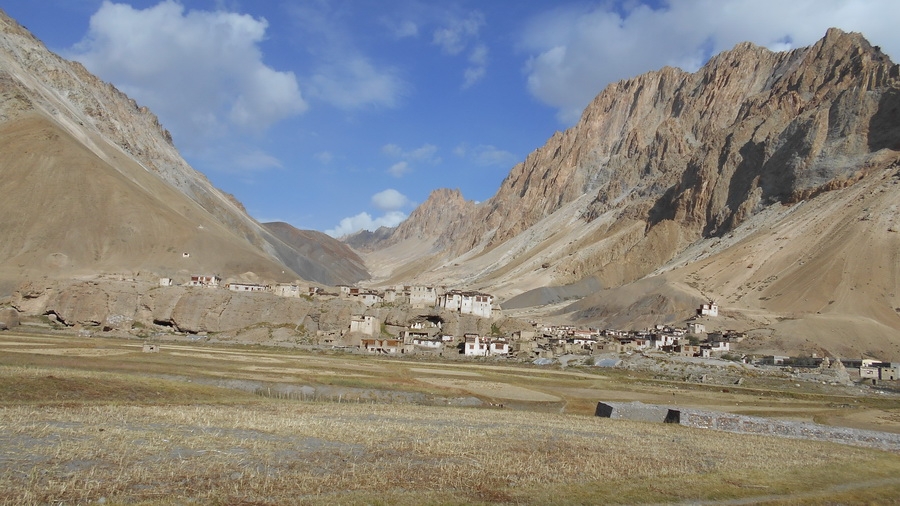
Day 4: Trek Kanji Dok 4100m - Yogma La 4720m - Shilakong 4600m, 7 Hrs
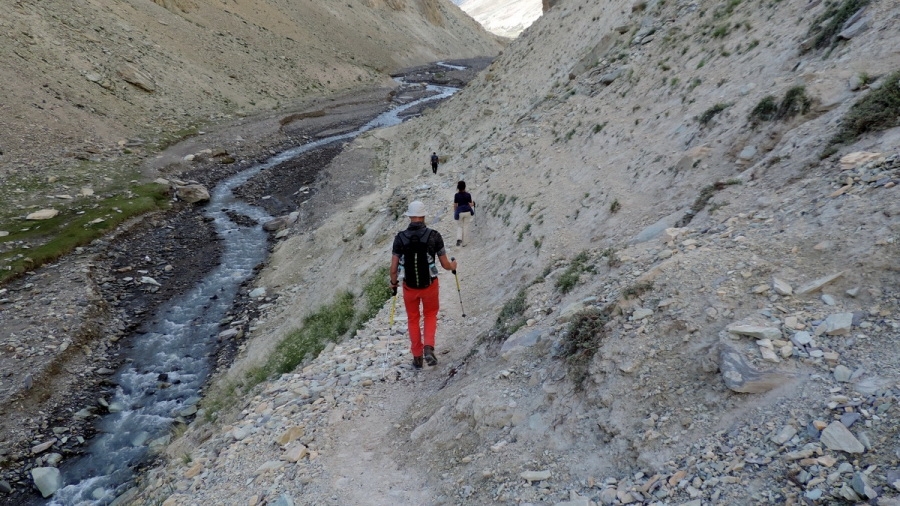
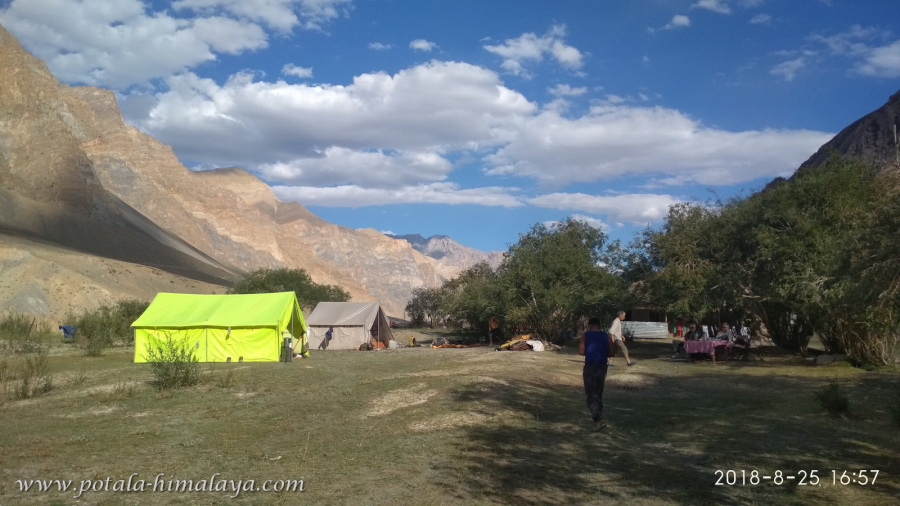
The first day of the trek was an easy trail along the right side of the upstream river. After the easy walk for 2 hrs, you have a gentle ascent, and then you arrive at a small hamlet where you find the campsite. The view of the valley and its stunning mountains from here is indescribable. Enjoy the scenic beauty of the nature of the Himalayan Mountains. Continue for an hour and ascend towards the Yogma-la (4720m). From the top of the pass, you have a spectacular view of the landscape. On the left, down below, you will see the Shila Gorge. After enjoying a few minutes at the top, you have a gentle descent and then a small ascent to arrive at the camp, 4600m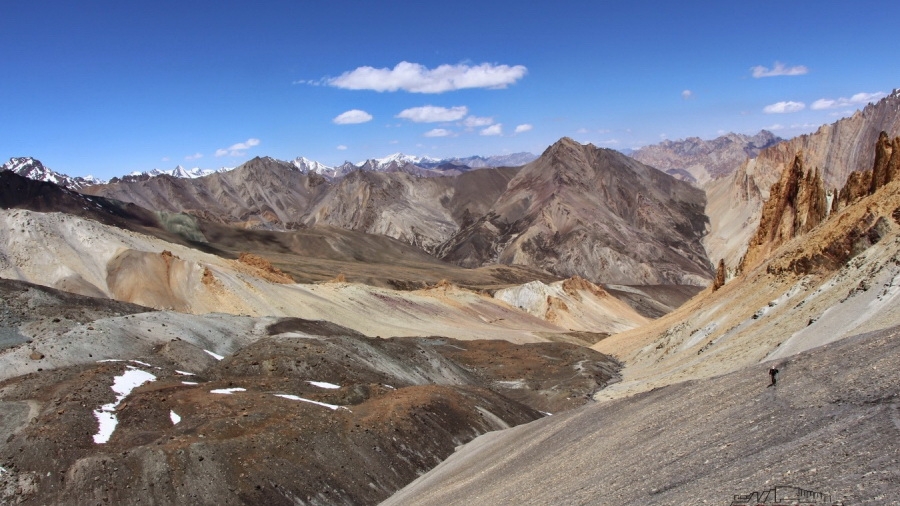
Snigutse La ascent from Shillakong - Yogma La in the background (R)
Day 5: Trek Nigutse La 5110m - Spangthang / Urtsi Dok 4500m, 6 Hrs
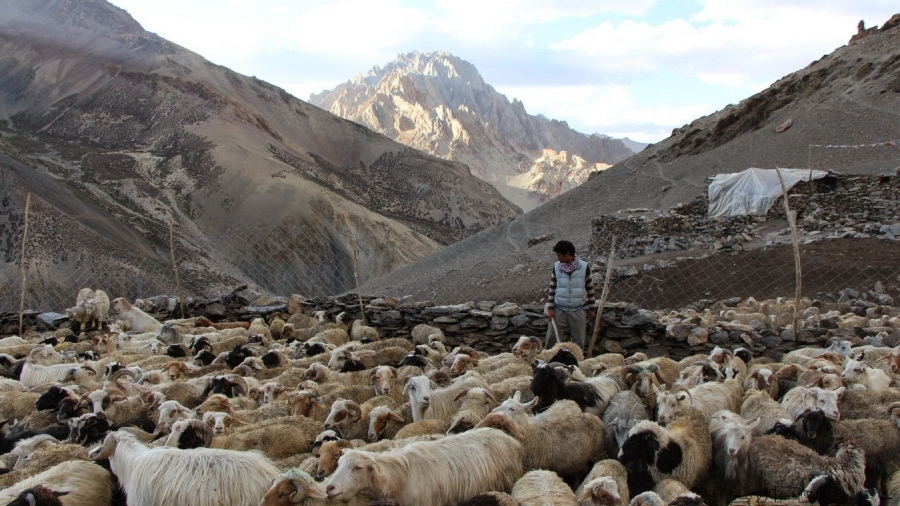
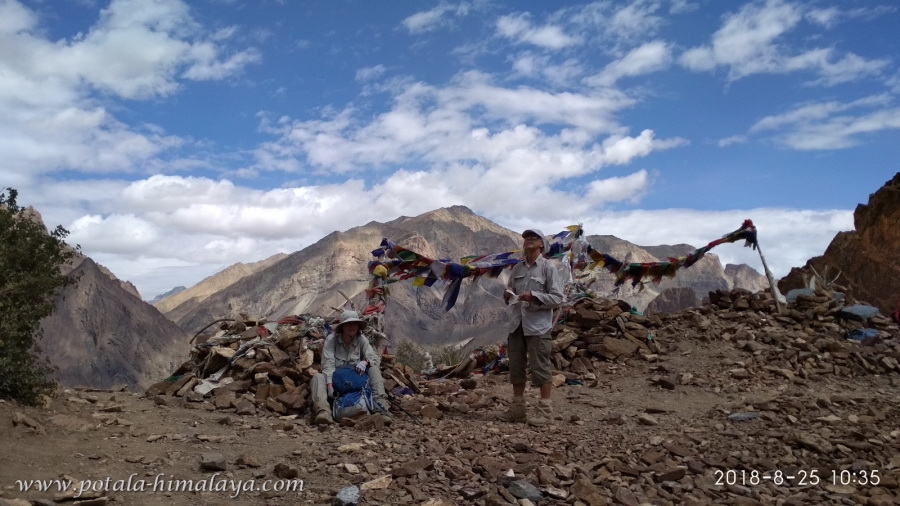
The morning after breakfast, continue the trek by following the well-defined and clear trek route on the left bank of the river. En route amazing and beautiful landscape. After a few hours of trekking, you reach the top of the Nyigutse-la (5100m). At the top of the pass, you will find yourself on top of the world and get a stunning and enchanting view of the unforgettable landscape with different mountains of the Himalayan range. Cross the pass and then descend into a beautiful lost valley opening on an immense plain where you find many animals like sheep, goats, yaks, etc. Overnight Camp, 4500m
Day 6: Trek Sirsir La 4800m - Photoksar 4150m, 6-7 Hrs
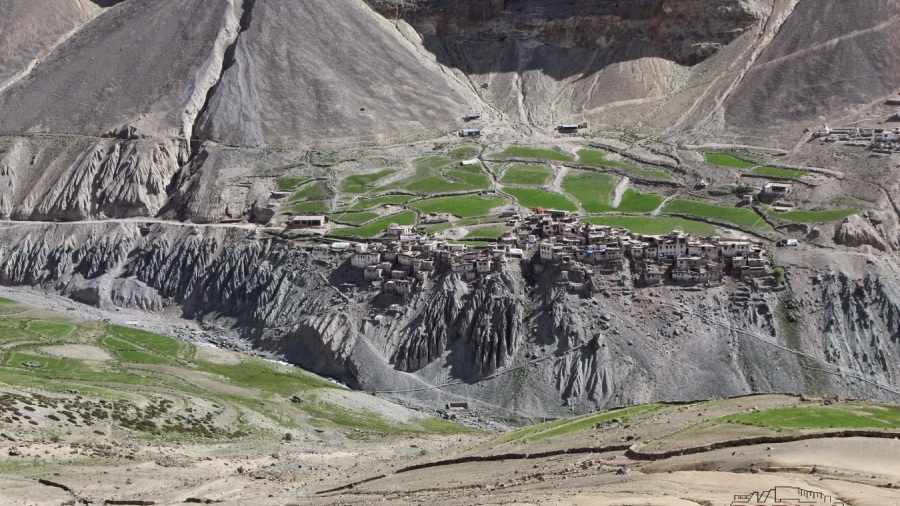
As usual, after breakfast, continue the trek by ascending the ridge right from the campsite. Following the clear path on the rolling ridge from here, you see the Sirsir-la pass. Descend into the river below. Cross the river and then start ascending straight towards the pass Sirsir la (4805m). Enjoy the view of the wonderful Photang Valley and its landscape. Gentle and easy descent by following the good trek path to Photoksar (A remote, isolated, charming village). Evening explores the village. Campsite before the village near the river. Overnight at Camp, 4250m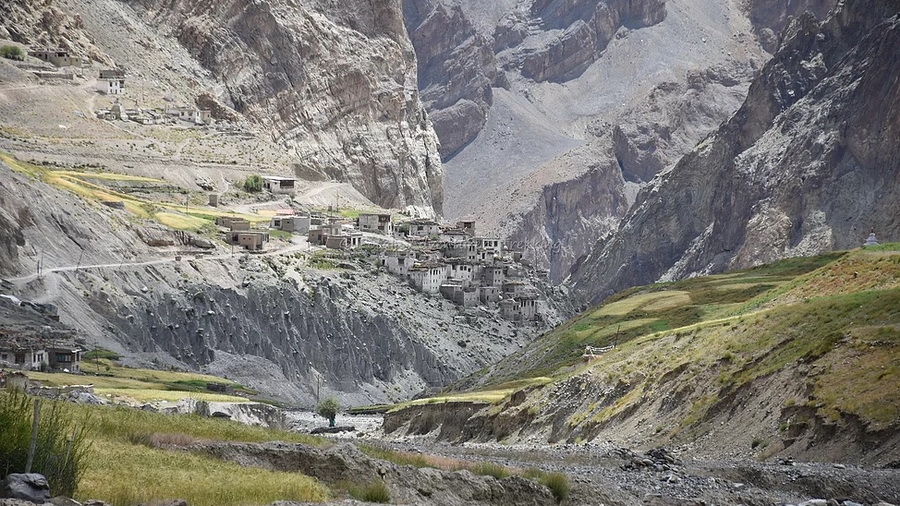
Day 7: Trek Boumitse La 4400m - base of Sengge La 4350m, 6 Hrs
After breakfast, continue the trek. Today, you have to cross one EasyPass. Right from the camp, start to ascend for a few meters and then continue along the clear path beautiful view of the village of Photoksar and the surrounding mountains and gorge. Carry on ascending to the top of Boumitse-la; from the pass, you can directly see the Singey la Pass, which is about more than an hour's trek from this point. Continue to climb on a high pasture land in Photang Valley, where villagers of Photokar keep their Yaks, Dzo, and Horses for grazing. Camp after crossing the small stream.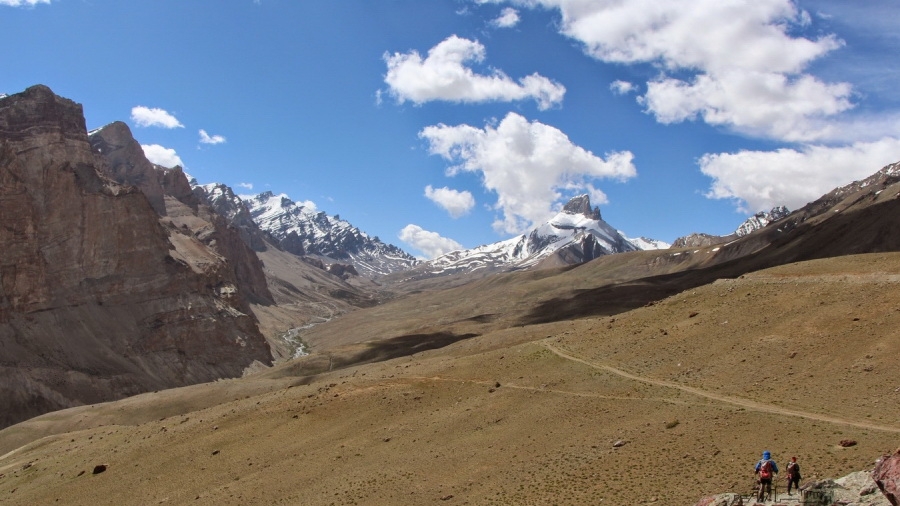
Towards base camp - Sengge La at the end
Day 8: Trek Sengge La 4940m - Skiumpata 4100m, 6-7 Hrs
Today, leaving camp gradual ascent to Singey la 4940m. Sengge in Tibetan means "Lion". So it's "Lion Pass", the view and formations of the pass appear like a lion, from the pass, a panoramic view of the Zanskar range. Right from the camp, start ascending to the top of Singe-la. From the pass, the route descends steeply to a loose boulder-strewn area. Continue along the right side of the valley, clear path up to the village Skyumpata. Beautiful and awesome view of the landscape of the valley.
Day 9: Trek Murgum La 4350m - Lingshed 3900m - Lanang / Hanuma La base 4000m, 6-7 Hrs
Leaving Skyumpata, the trail leads to Murgum La and descends to the village of Lingshed. The trail goes by near the Photoksar Gompa. A short visit to this gompa and a trail passes through barley fields. Continue to Lanang after crossing Chapskang La (4200m) steep descent to the narrow valley to the campsite. Located at the foot of Hanuma La.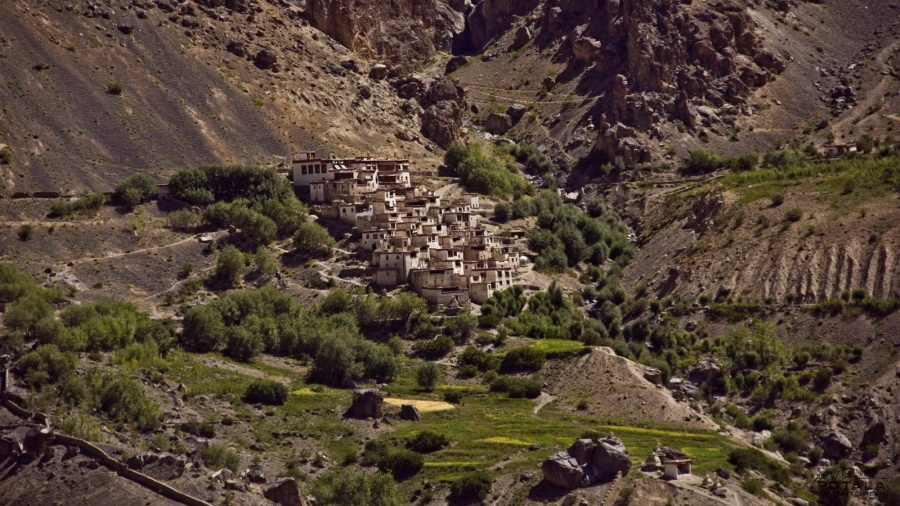
Linkshed
Day 10: Trek Hanuma La 4800m - Snertse 3800m - Zingchen 3370m, 7-8 Hrs
Soon after camp, long ascents towards Hunuma la pass, 4800m. From the top of the pass panoramic view of Lingshed, Sengge la, and the Ladakh Mountain range. This pass is a connecting point between Ladakh and Zanskar, then descends deep inside the hanging valley until Snertse. After Snertse's long descent towards Oma Tokpo at Zingchen, where we camp for tonight. 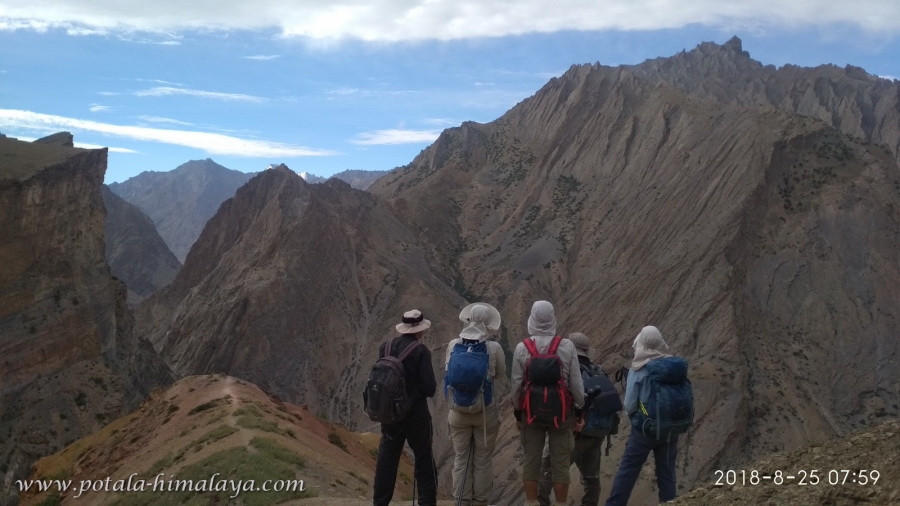
Looking towards Parfi La across the Oma Chu
Day 11: Trek Parfi La 3910m - Hanamur 3410m, 5 Hrs
Crossing the Oma Tokpo long ascent towards Perfi la 3910m. It’s the last pass between our first part of the trek Kanji - Padum. From the top, we will be rewarded with a great view of the Zanskar Mountains and can see the Hanumil from the pass. The last patch we trek along the Zanskar River to the village of Hanumil and another comfortable campsite for tonight.
Day 12: Trek Pidmo 3430m - Pishu 3450m, 6 Hrs
Today, after breakfast, we follow the left bank of the Zanskar River on a relatively level path. We cross the village of Pidmo at 3430m. A small village located beside the Zanskar River. At, Pidmo bridge is under construction to Zangla. Instead of taking this route, we continue along the right bank to Pishu. Another comfortable campsite beside the Zanskar River.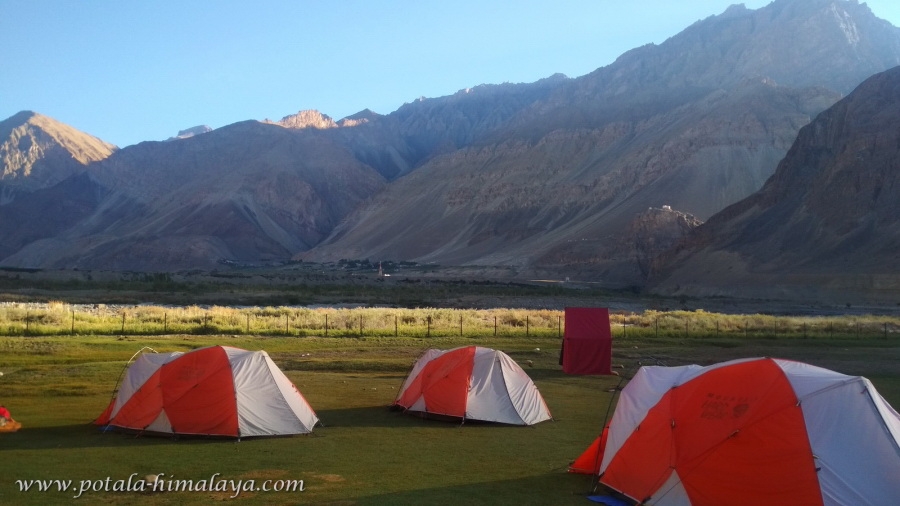
Pishu campsite overlooking Zangla fort
Day 13: Drive to visit Zangla 3650m - Stongde 3800m - Karsha 3750m - Padum 3600m
Today you have a full-day culture tour around Padum by car. The morning after breakfast, drive to Stongde village. Visit a beautiful, picturesque monastery built on a hilltop by Lama Marpa 950 years ago. Approximately 60 monks reside in this monastery. After the visit, continue driving to Karsha. Visit Karsha monastery. This monastery is the largest of all the monasteries in Zanskar, and this monastery (Gonpa) was first founded by Great Lama Phagspa Shesrap (the translator of Zanskar). From the monastery, you have an amazing and spectacular view of the capital of Zanskar (Padum) and its surrounding mountains. Overnight at Padum.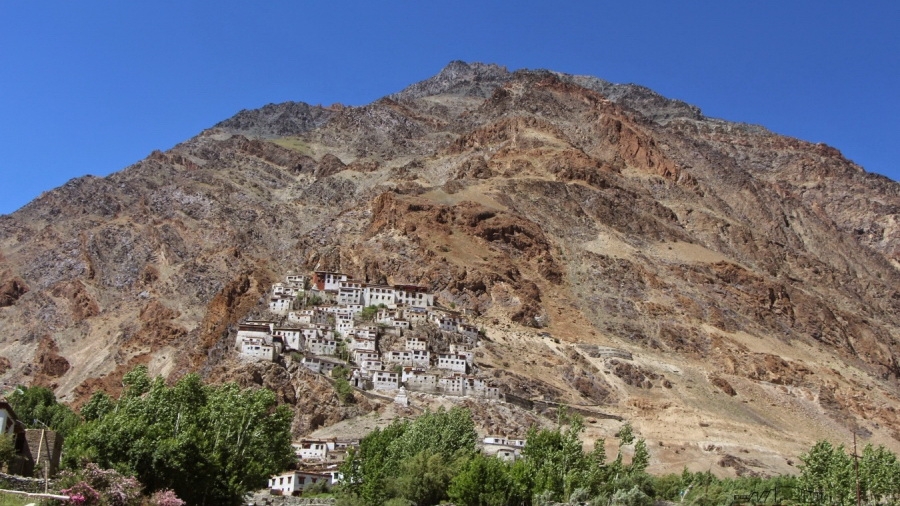
Karsha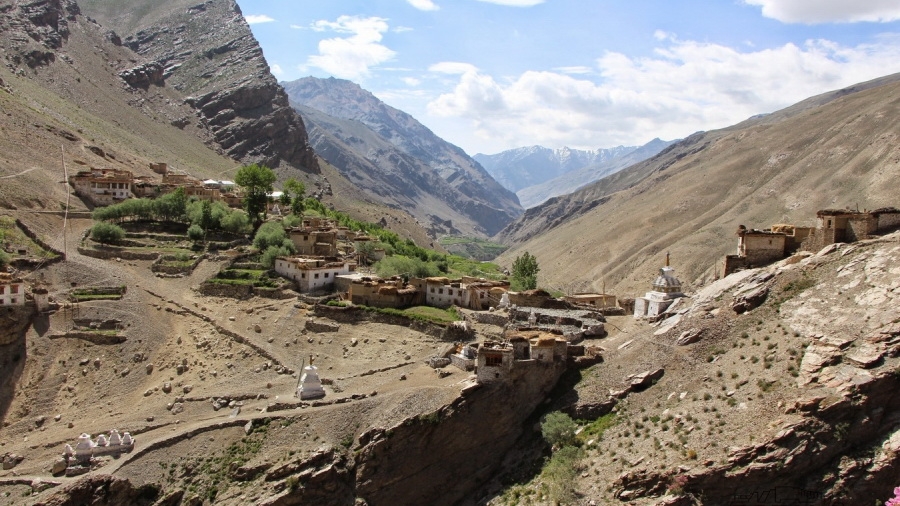
Ichar
Day 14: Drive Padum – Phuktal 3900m, Trek to Phuktal, Purne 3800m
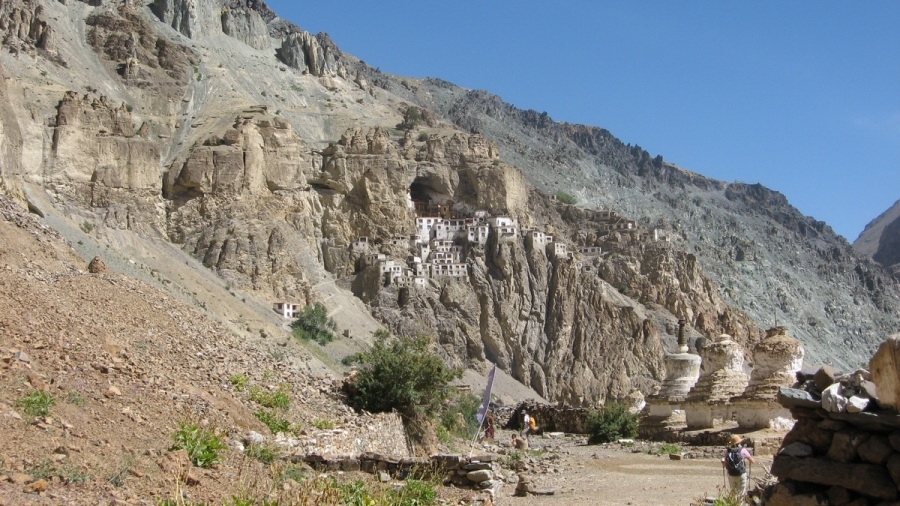
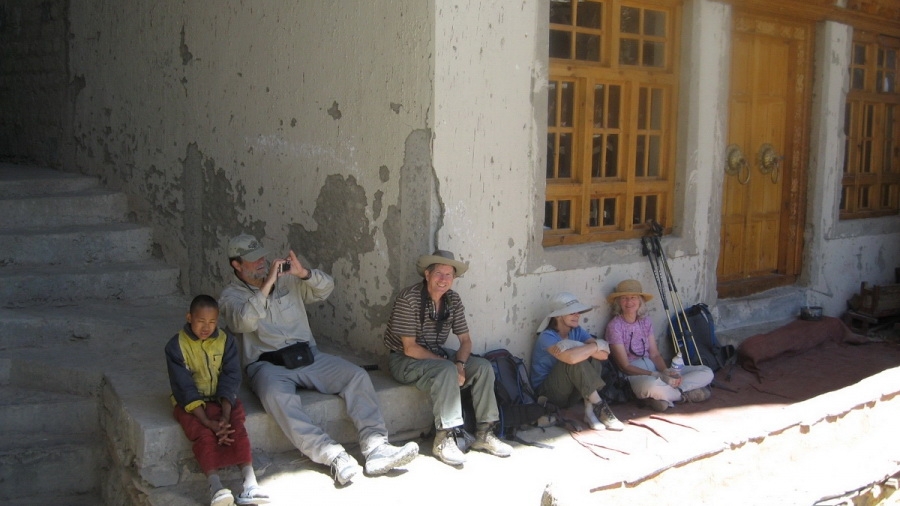
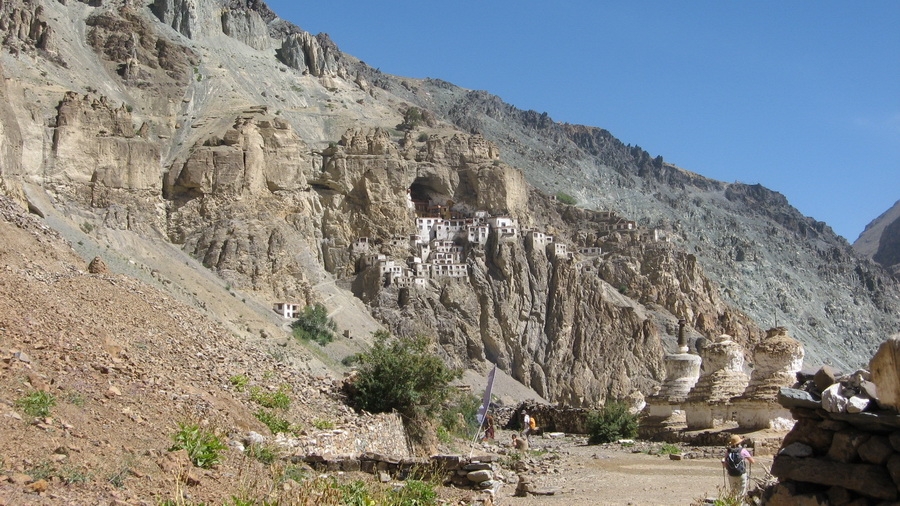
Today, an early departure from Padum, we drive to Phuktal along the Tsarap chu and enter the Lungnak valley. Today is a great day to see one of the most stunning sights of Zanskar. We follow the trek towards Phuktal along the left bank of the Tsarap River for ½ an hour. We cross the river by bridge, and the trail goes along the right bank of the river. We will have our first impressive view of Phuktal by climbing a short ridge, the most spectacular sight in Zanskar, and our trek. The main temple was built inside a huge cave, and the rest of the monastery houses were built on a rock cliff. The monastery was founded by Changsems Sherab Zangpo. We visit this great monastery and return to the campsite at Purne.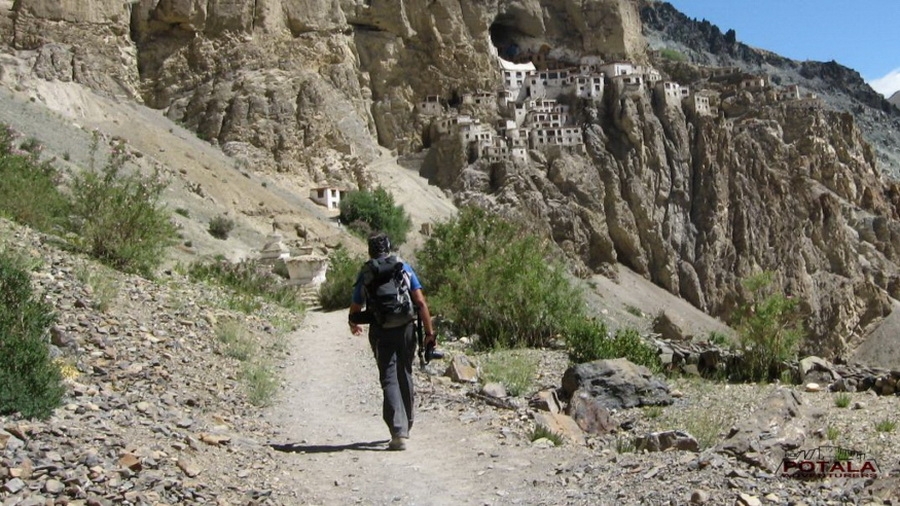
Day 15: Drive Kurgiakh, Trek Kyi 4100m – Thangso – Shanka villages.
Leaving Purney, a short drive to Purne for 45 minutes, and before reaching Kurgiakh, a trek to Kyi, Thangs,o and Shanka village. One of the highest villages in the region, exploring and visiting local houses back to the road head, and drive to Kurgiakh for an overnight camp.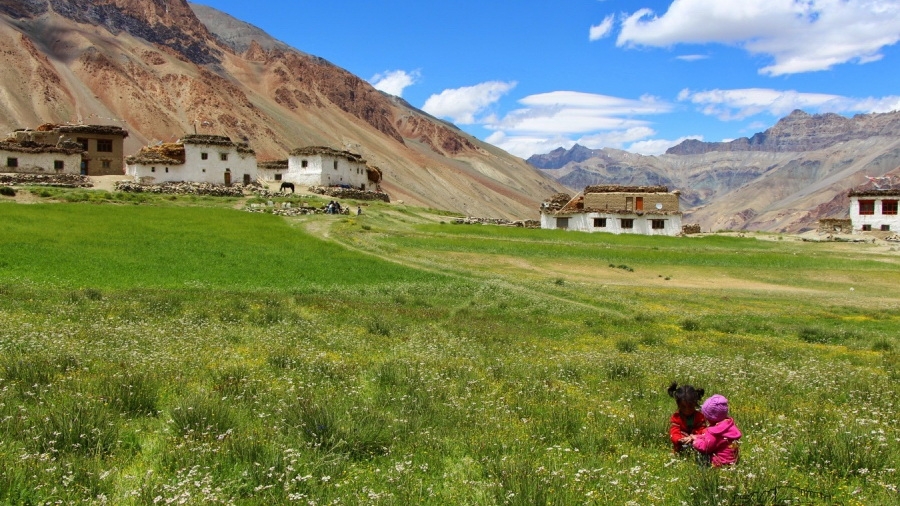
Skying
Day 16: Trek Kurgiakh 4150m - Surichan La base 5000m, 5-6 hrs
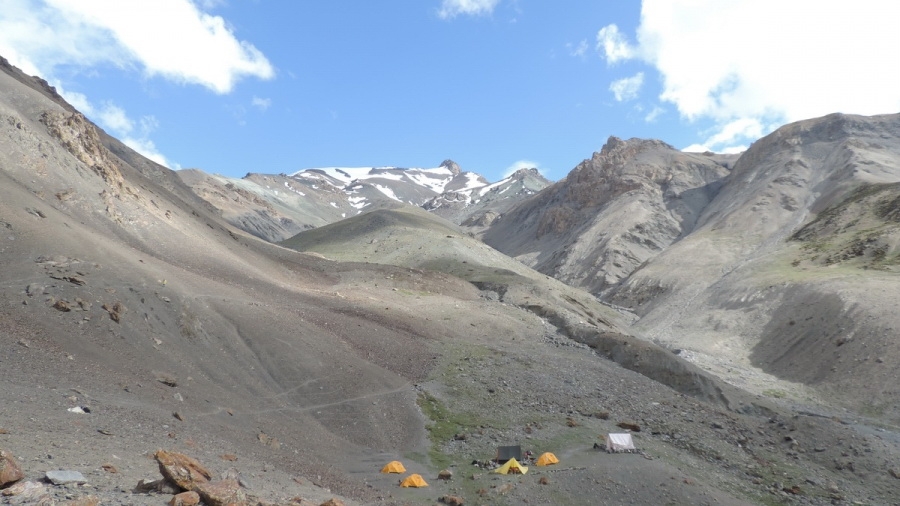
After breakfast, we trek to Kurgiakh village, the last village in this valley, and the path leads away from the river and leaves the main valley, gradually up through a gorge and later the slope. A spectacular view of the Zanskar valley can be had. We climb gently to the high plateau to the base camp. Overnight camp at Surichan La base.
Day 17: Trek Surichan La 5660m - Chumik Marpo 4650m,7-8 hrs
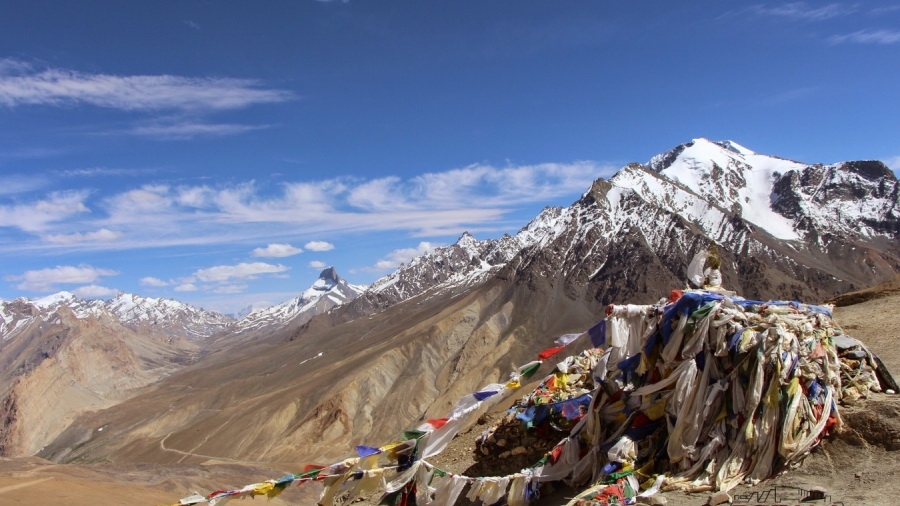
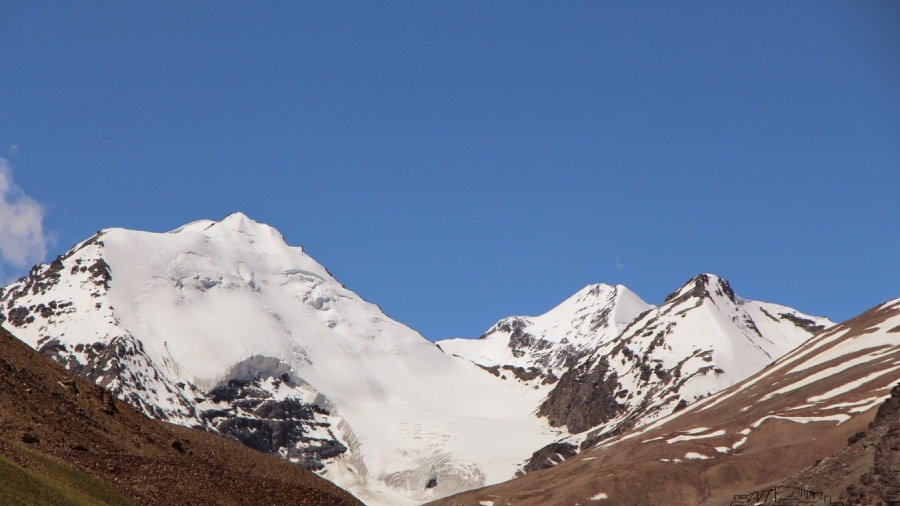
Today, leaving early to avoid the snow turning soft at the Surichan La is advised. We cross the highest pass of the trek. The climb may be tough, but after the effort, the extraordinary view of the peaks of Lahaul and the Greater Himalayan range is a real reward. After an hour of gradual walking along the small stream, we climb steeply to Surichan Las with patches of ice. Magnificent view of peaks rising above 6000m to the right and the view goes as far as up to the Rupshu. After taking a break of 30 minutes, we descend gradually into the scree to reach the valley floor. Wonderful campsite at Chumik Marpo, where you will find several doksas with several Yaks and Dzos. Doksas are high-altitude temporary summer settlements, where domestic animals are kept in highland meadows for grazing. Overnight camp at Chumik Marpo 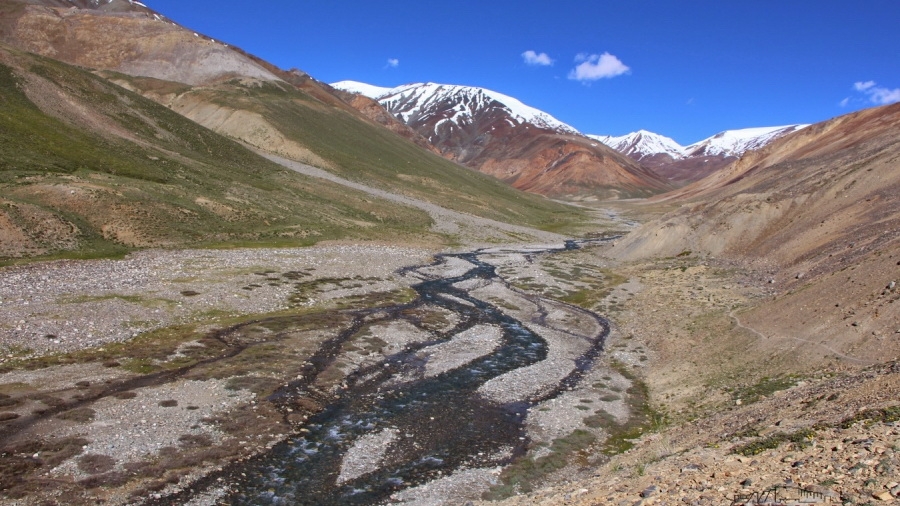
Chumik Marpo - Surichan La in the background
Day 18: Trek Berga Spangchen / Manichen 4400m, 6 hrs
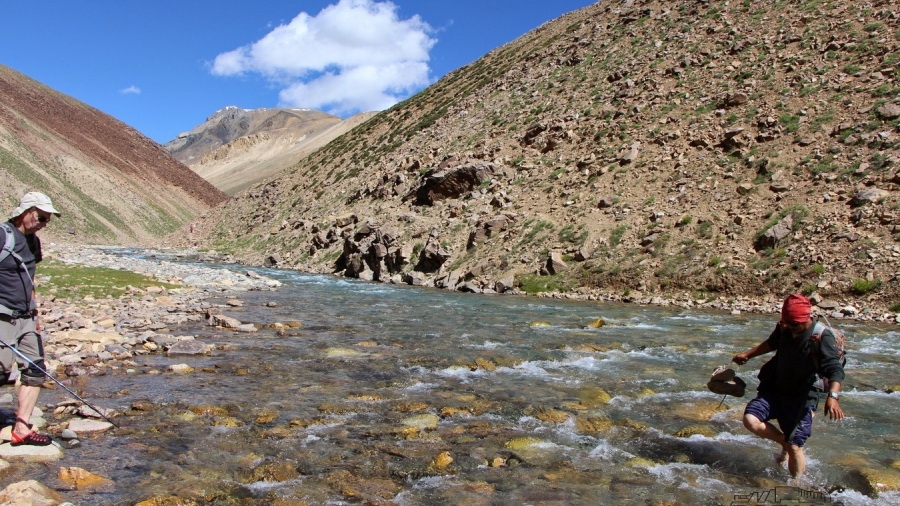
Today, an early start to cross 2 rivers. Leaving the campsite along the left bank of the river. After 2 hrs of walking, we cross the river and cross-grassy flat land to the broad river of Khamerup. The river coming from the right, we cross it before noon. Continue on wide open space and flat grassland to our campsite close to the river called Berga Spangchen. There are some campsites along this Lingti Chu valley. Overnight camp at Berga Spangchen.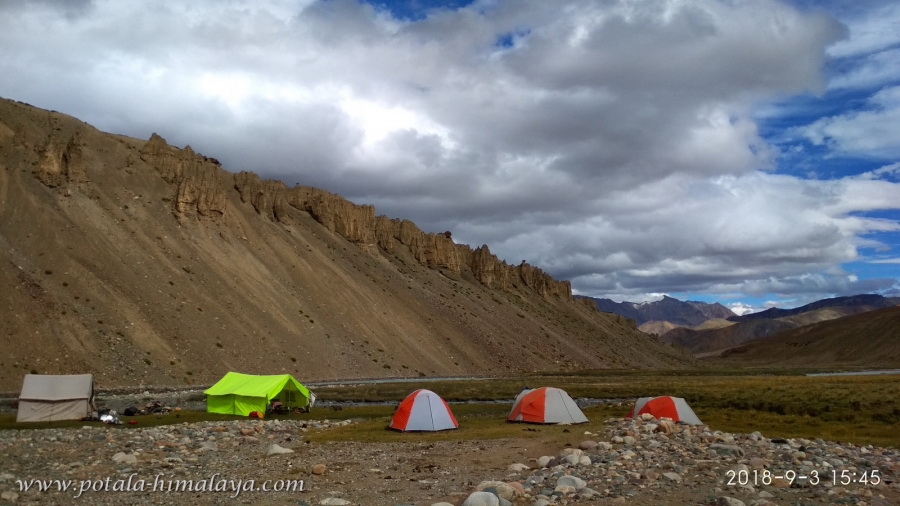
Berga Spangchen
Day 19: Trek Sarchu 4200m, 4-5 Hrs, Drive to Taglang La - Leh, 6- 7 Hrs.
We leave early to reach the Sarchu roadhead before noon. After camp, again a long day of trekking is waiting for us and the last river crossing. Soon after breakfast, we continue on a wide open space in high altitude grassland. After 2 hrs of, the trail will bring you to a small pass from where the wide open view of Sarchu and the Yunam River valley. Descend to Riverside and cross it. The campsite is located. We climb to plains of Sarchu to the other side of the valley and arrive at the roadhead. Where will your vehicle be waiting? You will drive to Leh. It will be a 6 to 7-hour drive to Leh.
Day 20: Leh
This day is just a reserve day, in case we need it. We can use this day. If all goes according to plan. You will have this day at Leh.
Day 21: Morning flight to Delhi, Evening flight back home.
Airport transfer and flight to Delhi. Take your evening flight back to Europe or another destination.
____________________________________________________________________________________
ALTERNATE ROUTE: SARCHU - LEH FINISH
Day 19: Trek Sarchu 4200m, 4-5 hrs, Drive Baralacha La 4890m - Keylong 3080m – Atal Tunnel- Manali 2050m, 8-9 hrs
We leave early to reach Sarchu Roadhead before noon. After camp, again a long day of trekking is waiting for us and the last river crossing. Soon after breakfast, we continue on a wide open space in high altitude grassland. After 2 hrs of, the trail will bring you to a small pass from where the wide open view of Sarchu and the Yunam River valley. Descend to Riverside and cross it. The campsite is located. We climb to the plains of Sarchu on the other side of the valley and arrive at the roadhead. Where is your vehicle waiting?
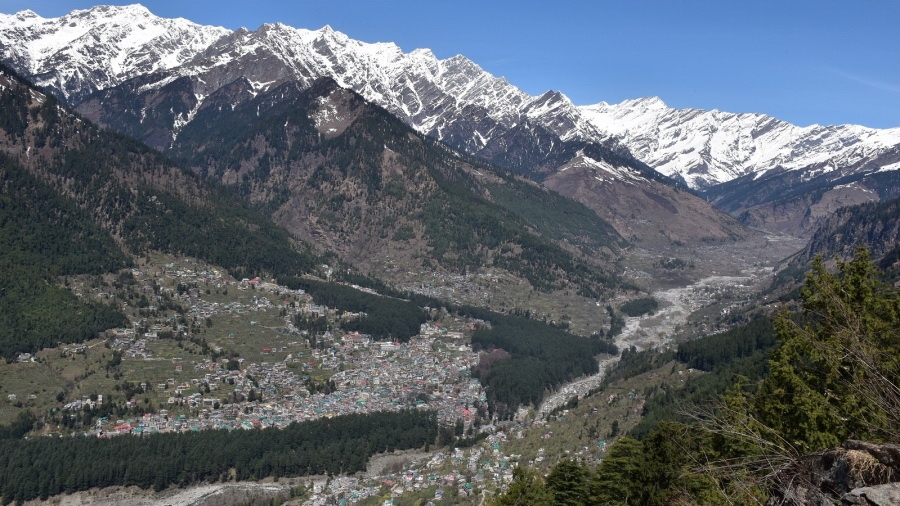
We drive to Baralacha La Pass, which is 7 km long and gives the source of three rivers - Chandra through the South, Bhaga through upper Lahoul, and Yunam towards Zanskar. A splendid view of M-4 (6514m), which is the highest in the Moulkila range, can be seen from the trail as well as from the Keorang range of the Great Himalayas. Passing through the wonderful valleys of Tod, Gahr, and Tinan Valley to the Atal Tunnel to Manali. Overnight in the hotel
Day 20: Manali
Day 21: Manali - Delhi
Manali - Chandigarh – Delhi, 12-13 Hrs through the Punjab plains. Volvo deluxe buses leave for Delhi at 4:30 pm, Arrives Delhi the next morning at 7:30 am.
Arrival in Leh, check in hotel - Acclimatize: Late afternoon visit Leh palace, Tsemo gompa, and Shanti stupa, and explore the local bazaar.
This morning arrived in Leh from Delhi by flight. Airport pickup and check into the hotel. Rest and relax at the hotel and acclimatize to the altitude of 3500m, as well as visit the Leh bazaar. Visit the Royal Palace of Leh from the 16th century. Continue to Tsemo Gompa and finally end with the visit to Shanti Stupa. Overnight in the hotel.
After breakfast, we drive to visit Shey first, then Thiksey. Thiksey monastery, which is 27 km from Hemis. This monastery is the oldest monastery of the Gelugpa School in Ladakh. The great Lama Paldan Shesrap built it in the 14th century. Here you can see the big statue of the Future Buddha. Hemis monastery, which is 45 km from Leh, takes a 90-minute drive. The great Mahasiddha Staktsang Raspa, along with the great ancestor Singey Namgyal, built the biggest monastery in the 16th century. Continue to Matho, then we drive to Stok, which is situated opposite Leh at a distance of 14 km. At Stok, visit the Royal Palace built in 1825 AD, and the palace has a great collection of antiquities. Continue to visit Matho, situated 10 km from Stok, which has a 10th-century complex. Finally, we drive back to Leh.
Today, after breakfast at Leh, we drive to the Alchi monastery, situated at a distance of 68 km from Leh. Its monastery was built on lowlands rather than on a hilltop, as others are, to protect from enemies. The Chortens around Alchi Gompa contain numerous murals of Lotsava Rinchen Zangpo, who built this monastery. Alchi monastery has a vast collection of wall paintings and wood sculptures. We continue to drive to Lamayuru, which is 58 km from Alchi. Indian scholar Mahasiddhacharya Naropa founded the oldest monastery in Ladakh in the 11th century. Lamayuru hosts a mask dance festival (Yuru Kabgyat) during the 17th and 18th days of the fifth month of the Tibetan Lunar calendar. It belongs to the Red Hat sect of Tibetan Buddhism; the monastery is rich with Thangkas and wall paintings. Lamayuru monastery was constructed by Arahat Nimagung between the 10th and 11th centuries. History says that in the 11th century, the Mahasidha Naropa visited this place, and the cave where he resided and meditated is still to be seen inside the monastery. After the visit, continue your journey to Kanji, still a 40 km drive. Arrive Kanji. Explore the village and overnight at camp in Kanji village(3850m).
The first day of the trek was an easy trail along the right side of the upstream river. After the easy walk for 2 hrs, you have a gentle ascent, and then you arrive at a small hamlet where you find the campsite. The view of the valley and its stunning mountains from here is indescribable. Enjoy the scenic beauty of the nature of the Himalayan Mountains. Continue for an hour and ascend towards the Yogma-la (4720m). From the top of the pass, you have a spectacular view of the landscape. On the left, down below, you will see the Shila Gorge. After enjoying a few minutes at the top, you have a gentle descent and then a small ascent to arrive at the camp 4600m
The morning after breakfast, continue the trek by following the well-defined and clear trek route on the left bank of the river. En route amazing and beautiful landscape. After a few hours of trekking, you reach the top of the Nyigutse-la (5100m). At the top of the pass, you will find yourself on top of the world and get a stunning and enchanting view of the unforgettable landscape with different mountains of the Himalayan range. Cross the pass and then descend into a beautiful lost valley opening on an immense plain where you find many animals like sheep, goats, yaks, etc. Overnight Camp 4500m
As usual, after breakfast, continue the trek by ascending the ridge right from the campsite. Following the clear path on the rolling ridge from here, you see the Sirsir-la pass. Descend into the river below. Cross the river and then start ascending straight towards the pass Sirsir la (4805m). Enjoy the view of the wonderful Photang Valley and its landscape. Gentle and easy descent by following the good trek path to Photoksar (A remote, isolated, charming village). Evening explores the village. Campsite before the village near the river. Overnight at Camp. 4250m
After breakfast, continue the trek. Today, you have to cross one EasyPass. Right from the camp, start to ascend for a few meters and then continue along the clear path beautiful view of the village of Photoksar and the surrounding mountains and gorge. Carry on ascending to the top of Boumitse-la; from the pass, you can directly see the Singey la Pass, which is about more than an hour's trek from this point. Continue to climb on a high pasture land in Photang Valley, where villagers of Photokar keep their Yaks, Dzo, and Horses for grazing. Camp after crossing the small stream.
Today, leaving camp gradual ascent to Singey la 4940m. Sengge in Tibetan means "Lion". So it's "Lion Pass", the view and formations of the pass appear like a lion, from the pass, a panoramic view of the Zanskar range. Right from the camp, start ascending to the top of Singe-la. From the pass, the route descends steeply to a loose boulder-strewn area. Continue along the right side of the valley, clear path up to the village Skyumpata. Beautiful and awesome view of the landscape of the valley.
Leaving Skyumpata, the trail leads to Murgum La and descends to the village of Lingshed. The trail goes by near the Photoksar Gompa. A short visit to this gompa and a trail passes through barley fields. Continue to Lanang after crossing Chapskang La (4200m) steep descent to the narrow valley to the campsite. Located at the foot of Hanuma La.
Soon after camp, long ascents towards Hunuma la pass, 4800m. From the top of the pass panoramic view of Lingshed, Sengge la, and the Ladakh Mountain range. This pass is a connecting point between Ladakh and Zanskar, then descends deep inside the hanging valley until Snertse. After Snertse's long descent towards Oma Tokpo at Zingchen, where we camp for tonight.
Crossing the Oma Tokpo long ascent towards Perfi la 3910m. It’s the last pass between our first part of the trek Kanji - Padum. From the top, we will be rewarded with a great view of the Zanskar Mountains and can see the Hanumil from the pass. The last patch we trek along the Zanskar River to the village of Hanumil and another comfortable campsite for tonight.
Today, after breakfast, we follow the left bank of the Zanskar River on a relatively level path. We cross the village of Pidmo at 3430m. A small village located beside the Zanskar River. At Pidmo bridge is under construction to Zangla. Instead of taking this route, we continue along the right bank to Pishu. Another comfortable campsite beside the Zanskar River.
Today you have a full-day culture tour around Padum by drive. The morning after breakfast, drive to Stongde village. Visit a beautiful picturesque monastery built on a hilltop by Lama Marpa 950 years ago. Approximately 60 monks are residing in this monastery. After the visit, continue driving to Karsha. Visit Karsha monastery. This monastery is the largest of all the monasteries in Zanskar and this monastery (Gonpa) was first founded by Great Lama Phagspa Shesrap (the translator of Zanskar). From the monastery, you have an amazing and spectacular view of the capital of Zanskar (Padum) and its surrounding mountains. Overnight at Padum.
Today, an early departure from Padum, we drive to Phuktal along the Tsarap chu and enter the Lungnak valley. Today is a great day to see one of the most stunning sights of Zanskar. We follow the trek towards Phuktal along the left bank of the Tsarap River for ½ an hour. We cross the river by bridge, and the trail goes along the right bank of the river. We will have our first impressive view of Phuktal by climbing a short ridge, the most spectacular sight in Zanskar, and our trek. The main temple was built inside a huge cave, and the rest of the monastery houses were built on a rock cliff. The monastery was founded by Changsems Sherab Zangpo. We visit this great monastery and return to the campsite at Purne.
Leaving Purney, a short drive to Purne for 45 minutes, and before reaching Kurgiakh, a trek to Kyi, Thangs,o and Shanka village. One of the highest villages in the region, exploring and visiting local houses back to the road head, and drive to Kurgiakh for an overnight camp.
After breakfast, we trek to Kurgiakh village, the last village in this valley, and the path leads away from the river and leaves the main valley, gradually up through a gorge and later the slope. A spectacular view of the Zanskar valley can be had. We climb gently to the high plateau to the base camp. Overnight camp at Surichan La base.
Today, leaving early to avoid the snow turning soft at the Surichan La is advised. We cross the highest pass of the trek. The climb may be tough, but after the effort, the extraordinary view of the peaks of Lahaul and the Greater Himalayan range is a real reward. After an hour of gradual walking along the small stream, we climb steeply to Surichan Las with patches of ice. Magnificent view of peaks rising above 6000m to the right and the view goes as far as up to the Rupshu. After taking a break of 30 minutes, we descend gradually into the scree to reach the valley floor. Wonderful campsite at Chumik Marpo, where you will find several doksas with several Yaks and Dzos. Doksas are high-altitude temporary summer settlements, where domestic animals are kept in highland meadows for grazing. Overnight camp at Chumik Marpo
Today, an early start to cross 2 rivers. Leaving the campsite along the left bank of the river. After 2 hrs of walking, we cross the river and cross-grassy flat land to the broad river of Khamerup. The river coming from the right, we cross it before noon. Continue on wide open space and flat grassland to our campsite close to the river called Berga Spangchen. There are some campsites along this Lingti Chu valley. Overnight camp at Berga Spangchen.
We leave early to reach the Sarchu roadhead before noon. After camp, again a long day of trekking is waiting for us and the last river crossing. Soon after breakfast, we continue on a wide open space in high altitude grassland. After 2 hrs of, the trail will bring you to a small pass from where the wide open view of Sarchu and the Yunam River valley. Descend to Riverside and cross it. The campsite is located. We climb to plains of Sarchu to the other side of the valley and arrive at the roadhead. Where will your vehicle be waiting? You will drive to Leh. It will be a 6 to 7-hour drive to Leh.
This day is just as a
reserve day, in case we needed. We can use this day. If all goes according to
plan. You will have this day at Leh.
Airport transfer and flight to Delhi. Take your evening flight back to Europe or another destination.
- All ground transportation to & fro as per the itinerary (Leh to Leh).
- Leh sightseeing Leh Palace, Tsemo Gompa, Shanti Stupa.
- Indus Valley tour: Shey - Thiksey - Hemis - Matho - Stok
- Leh - Alchi - Lamayuru - Kanji (first part), Pishu - Raru (2nd part), Sarchu - Leh (3rd part) by private car.
- 5 nights hotel accommodation in Leh (CP plan bed+ breakfast)
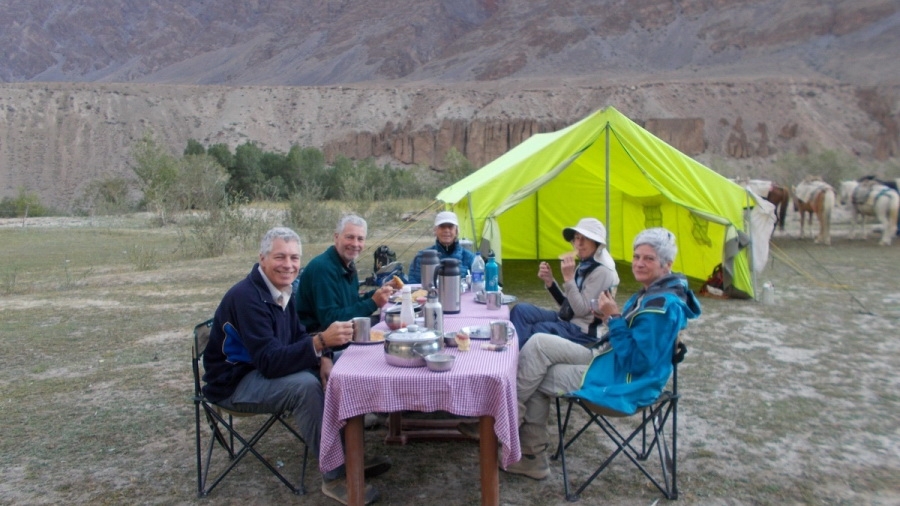
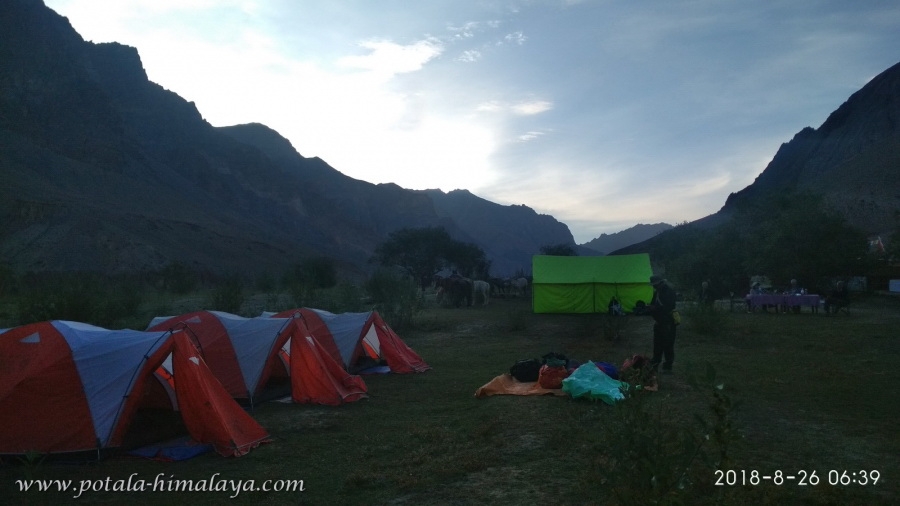
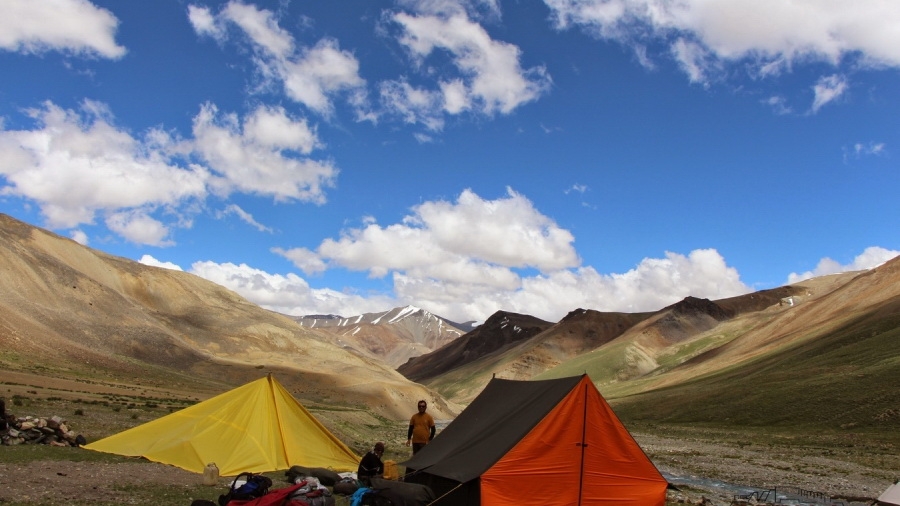
- 15 nights of trekking accommodation in a 4-season tent for two. Includes sleeping bags/liners, foam mattresses, mess tent / Kitchen tent, stool, chair, and toilet tent. And other trekking gear: A pair of trekking poles & safety gear.
- All meals during the trek - start with bed tea to breakfast, lunch, dinner, tea /coffee, and snacks. from Indian, Tibetan, and Chinese to continental cuisine.
- Support staff: Trekking guide, cook & camp crew.
- Trekking muleteer with his horses for porterage of your luggage and trekking gear.
- Camping fee.
- GST (Goods and Services Tax) as applicable.
- First aid medical kit.
× Domestic flight
× Hotel in New Delhi and lunch, and dinner while staying at the hotel in Leh & not trekking.
× Travel insurance.
× Soft or hard drinks.
× Entrance fee at monasteries
× Personal tipping to staff: Guide, cook, helper, horseman, and driver.
× Any unforeseen cost arises from natural hazards, such as rain, snow, or roadblocks, which cost extra lodging & boarding beyond the trip Schedule.
TREK INFO
Activity: Trekking holidays
Region: Ladakh & Zanskar, Indian Himalayas
Duration: 21 Days Delhi to Delhi,
17 Days Leh to Leh
14 Days of Trekking
15 Nights of Camping
5 nights hotel
Grade: Moderate to strenuous
Max. Altitude: Surichan - La 5660m
Group Size: Min 2, Max 10
Best Season: Mid-June to September end