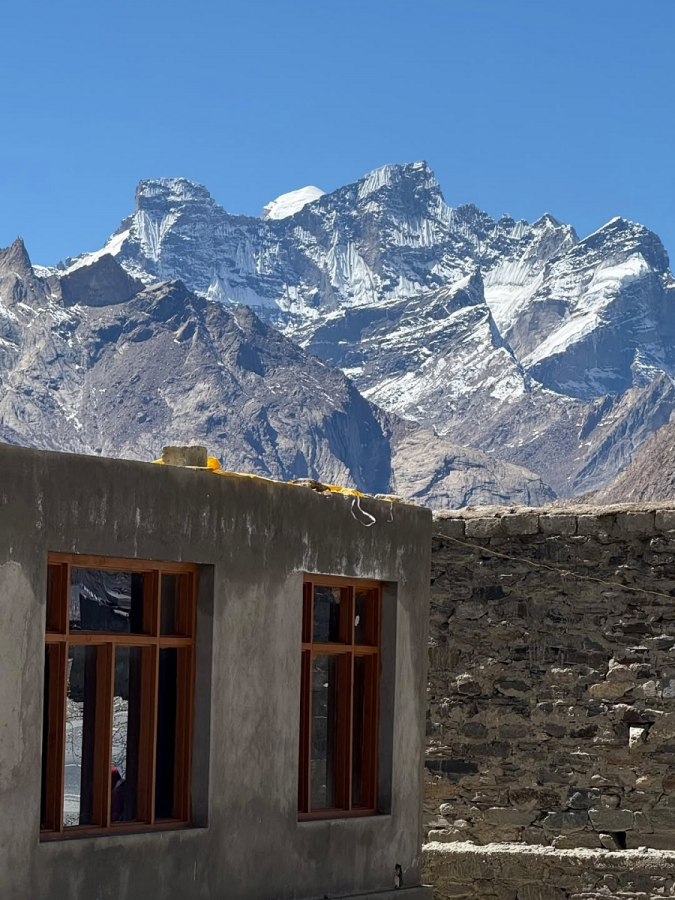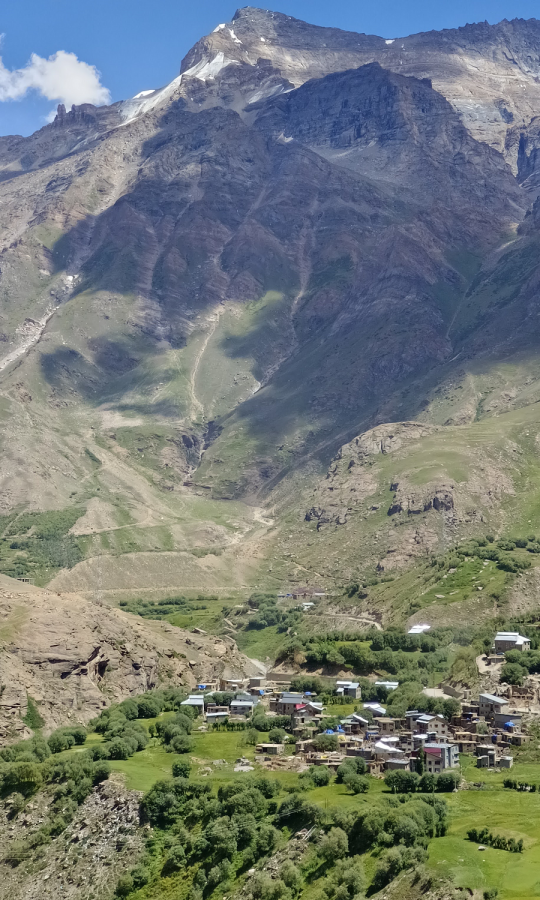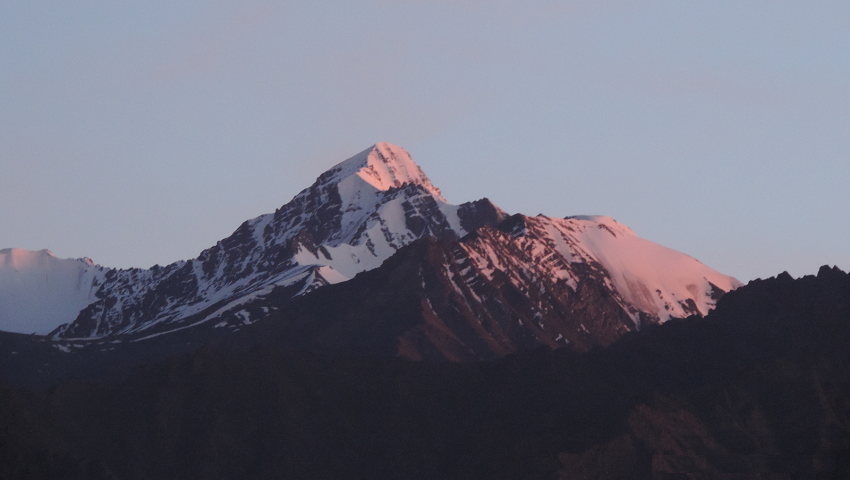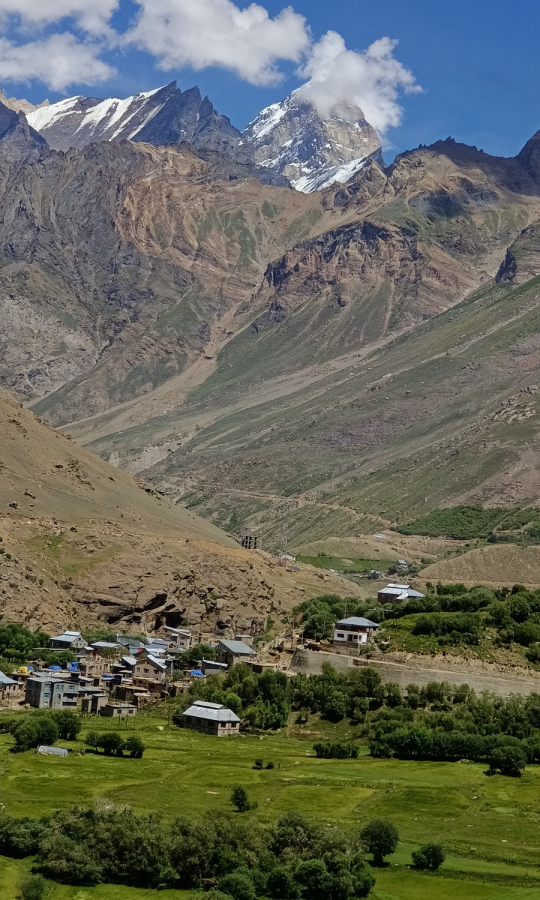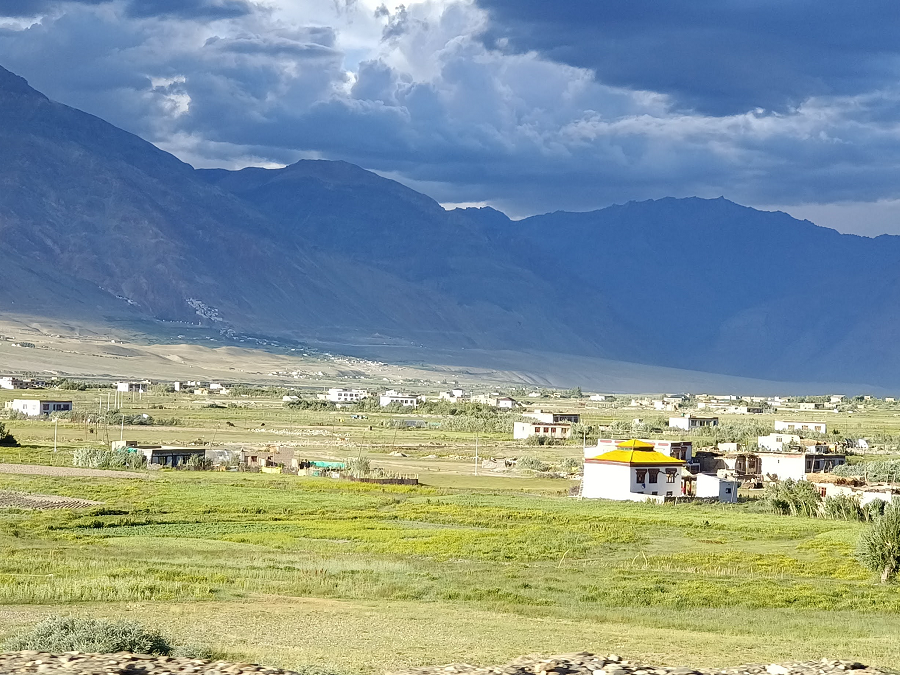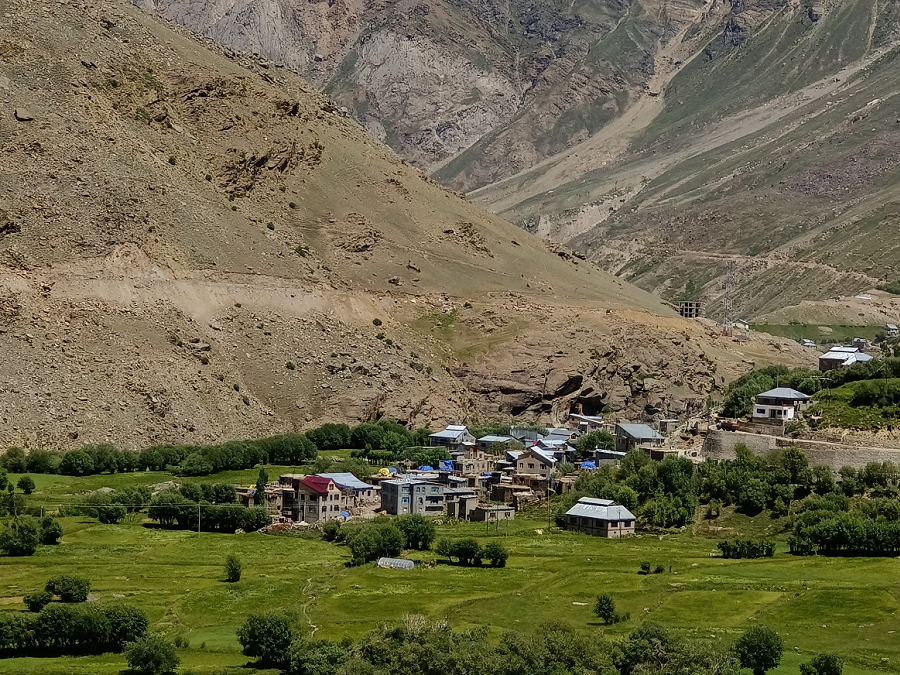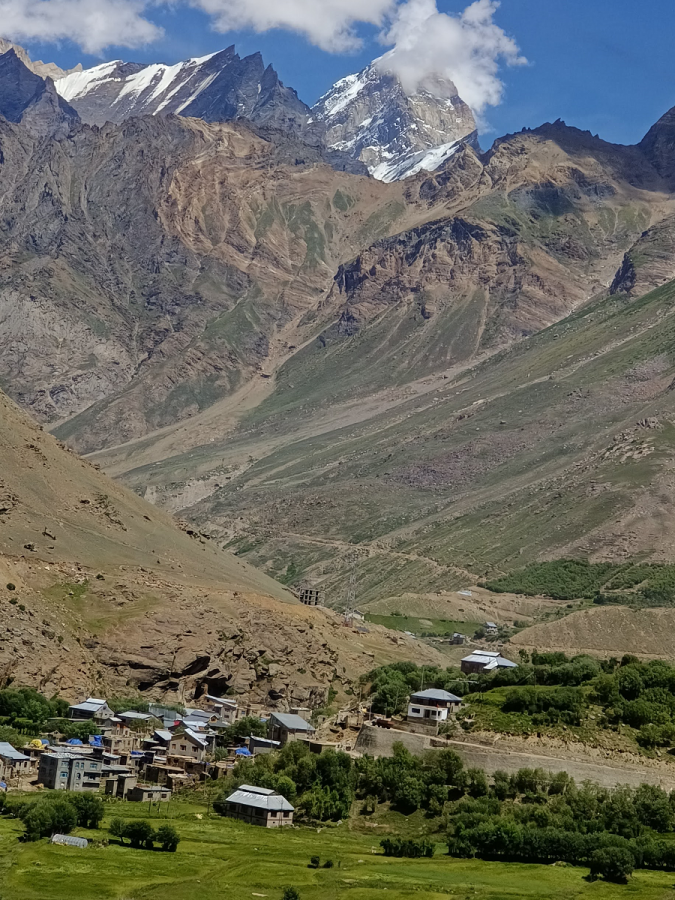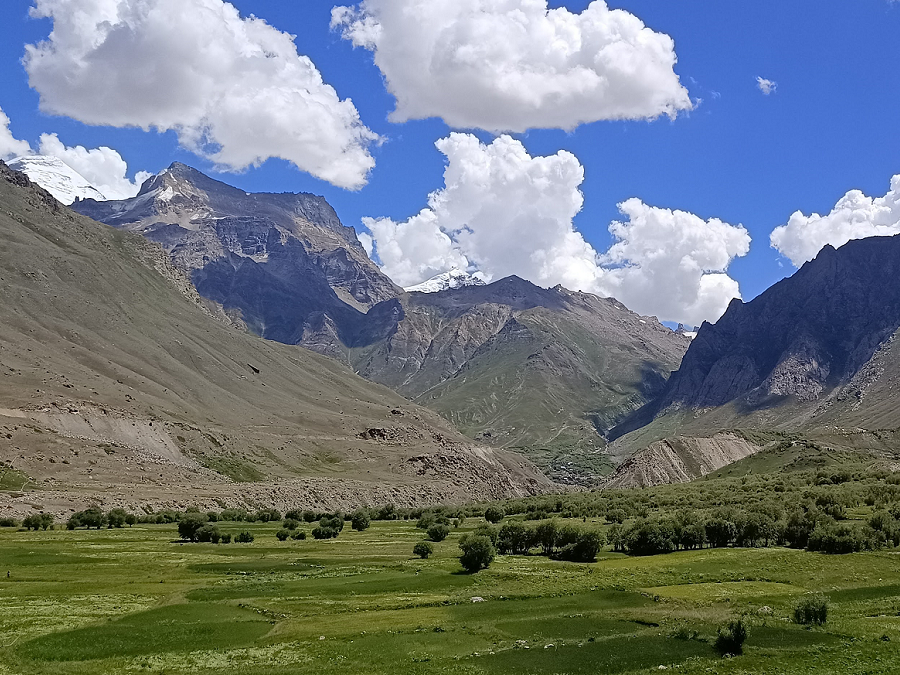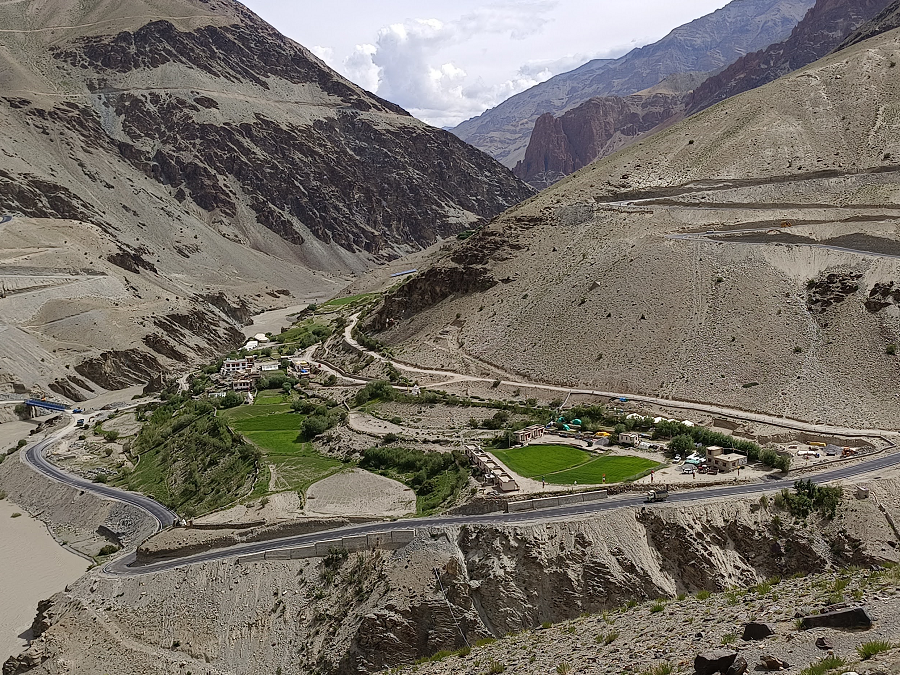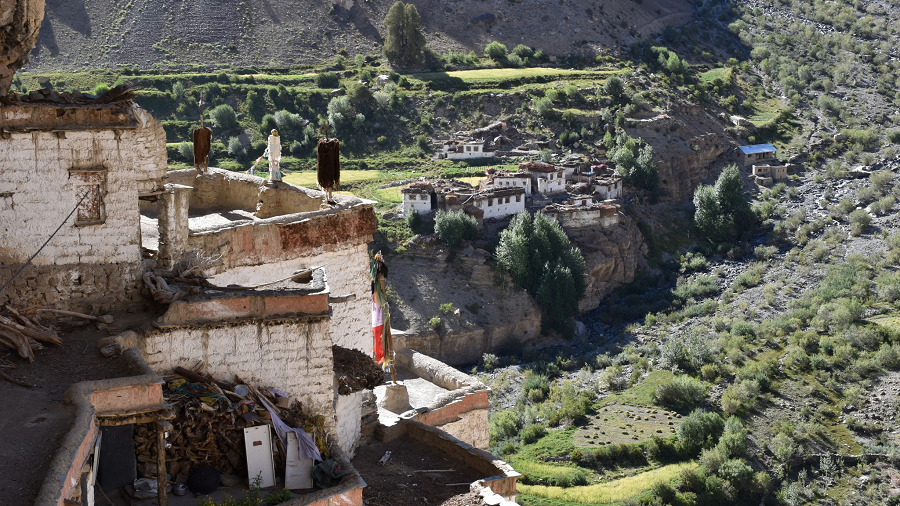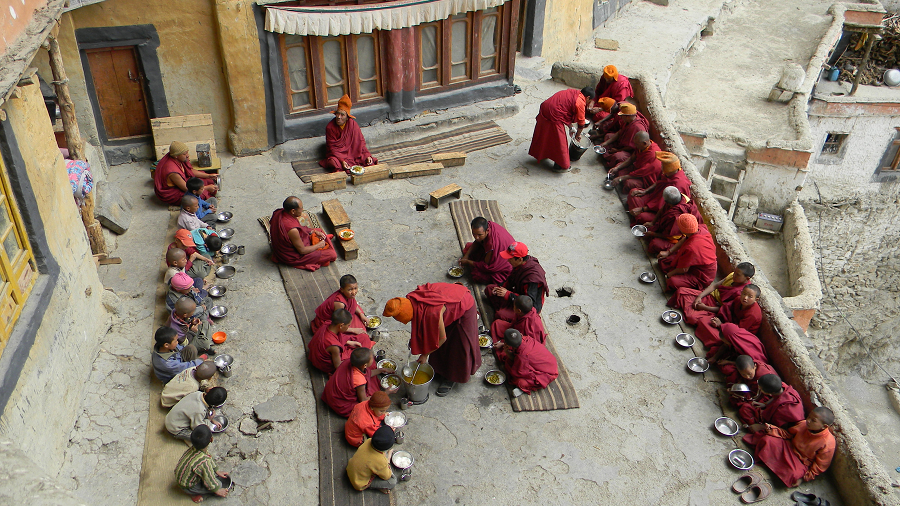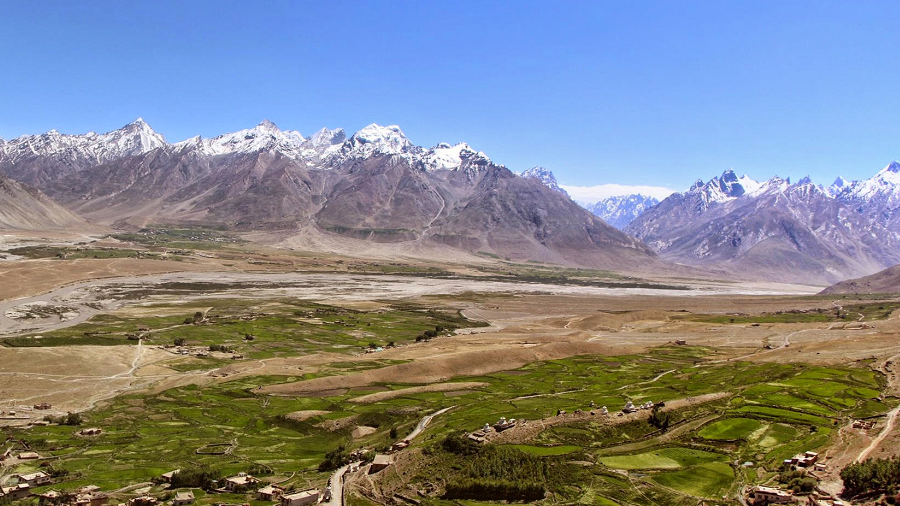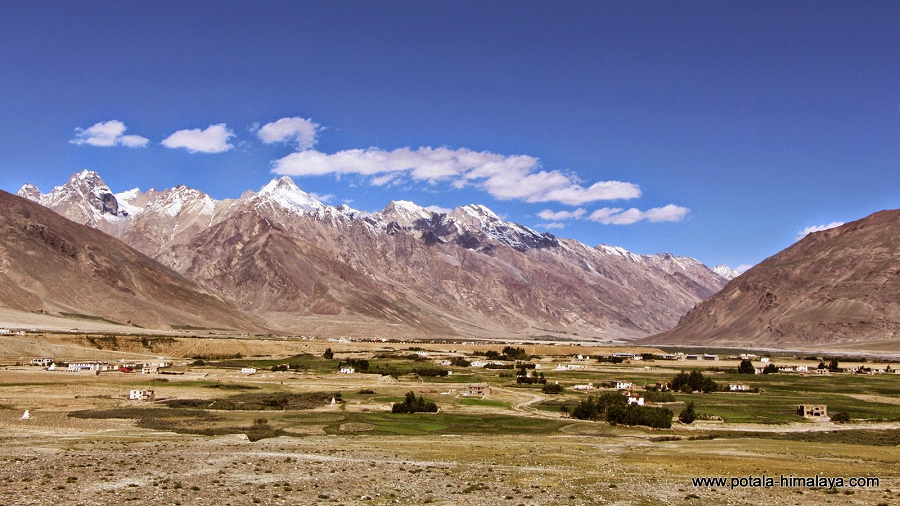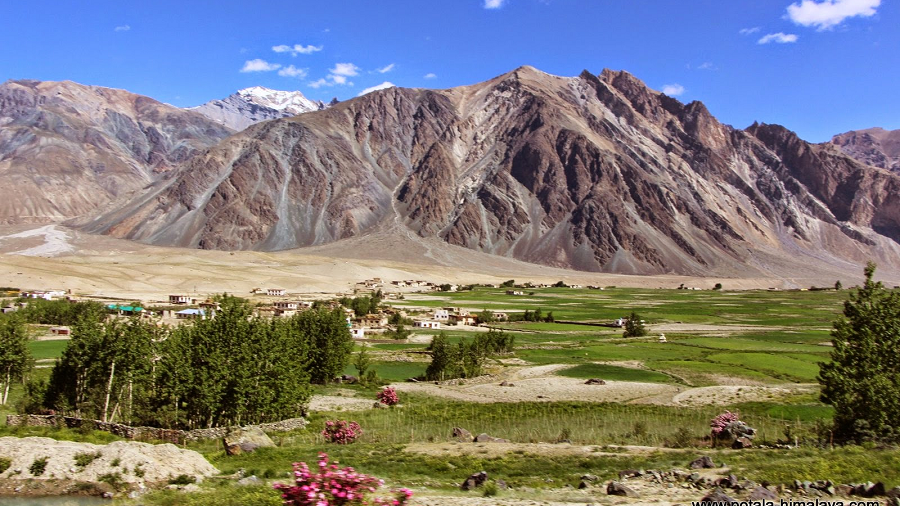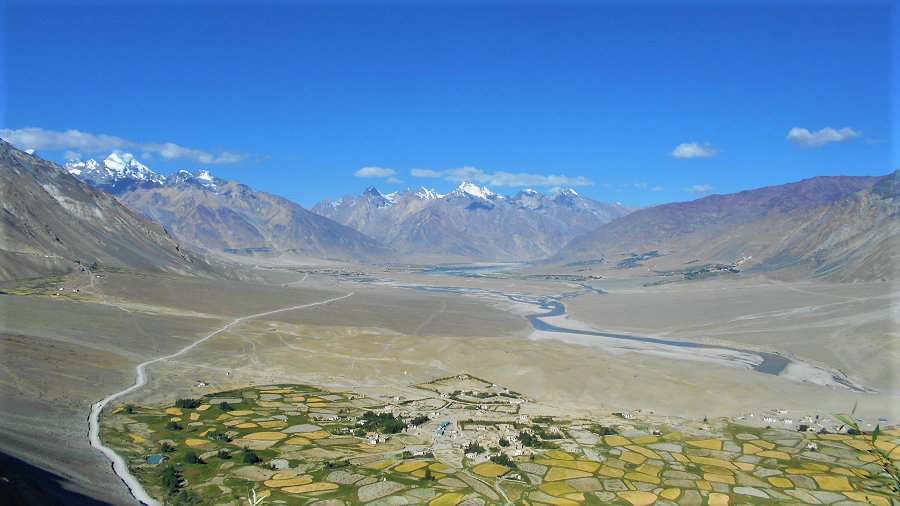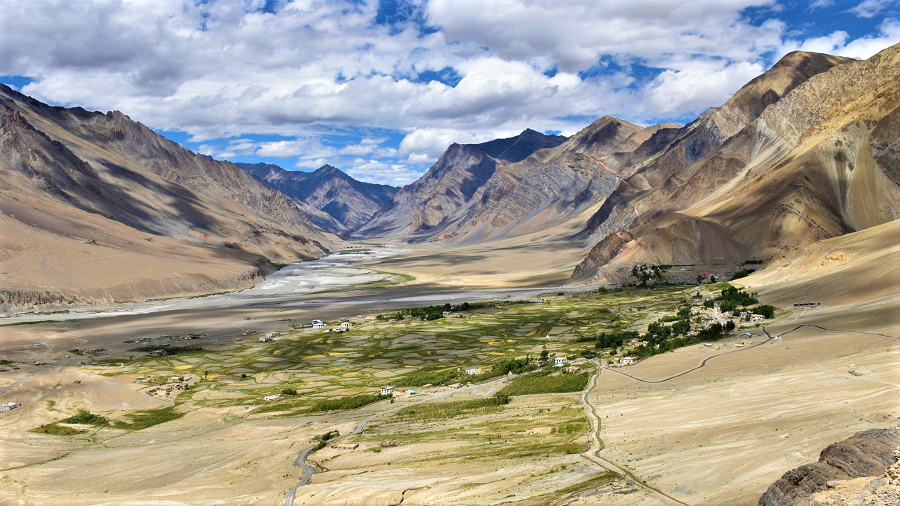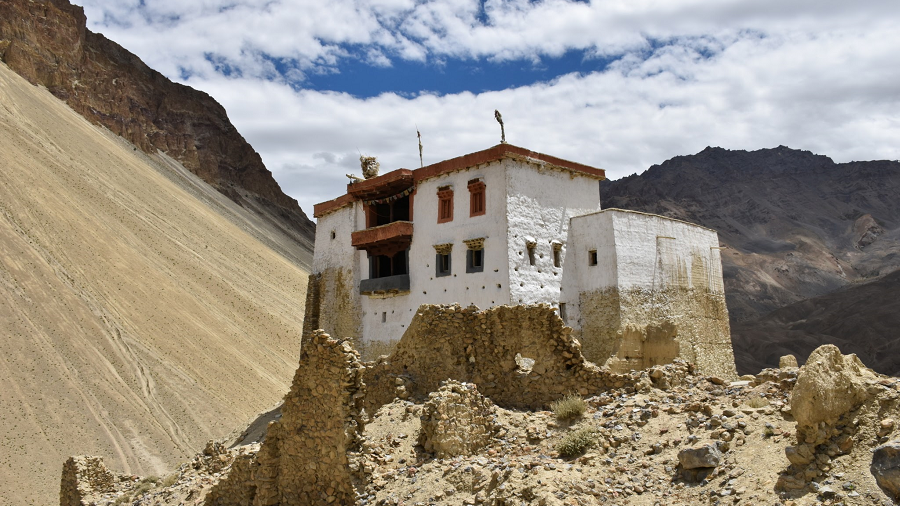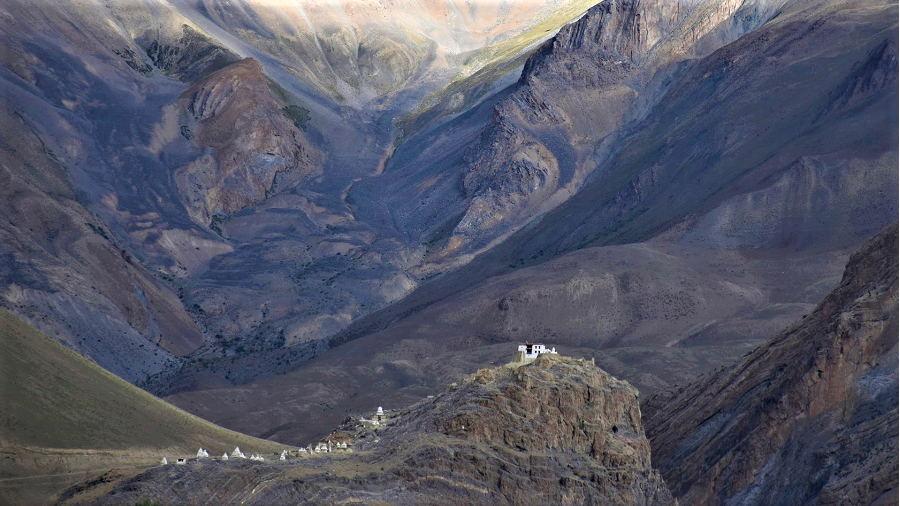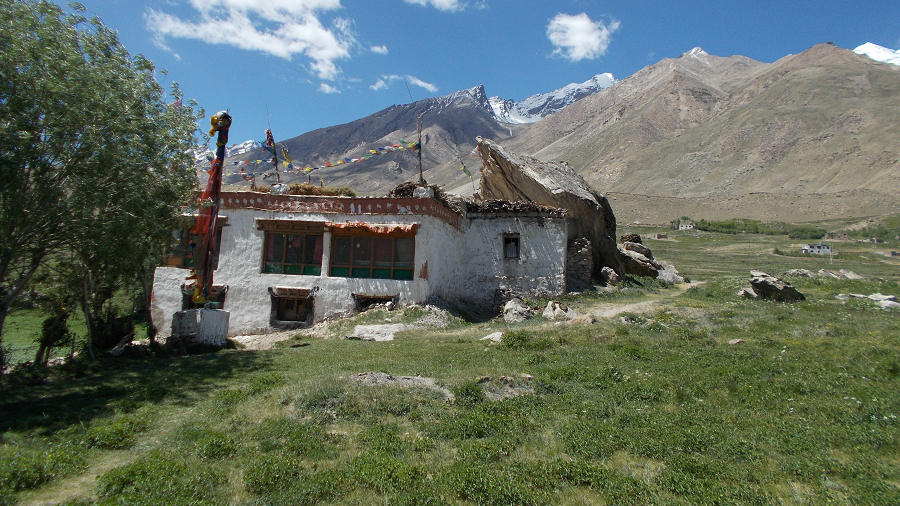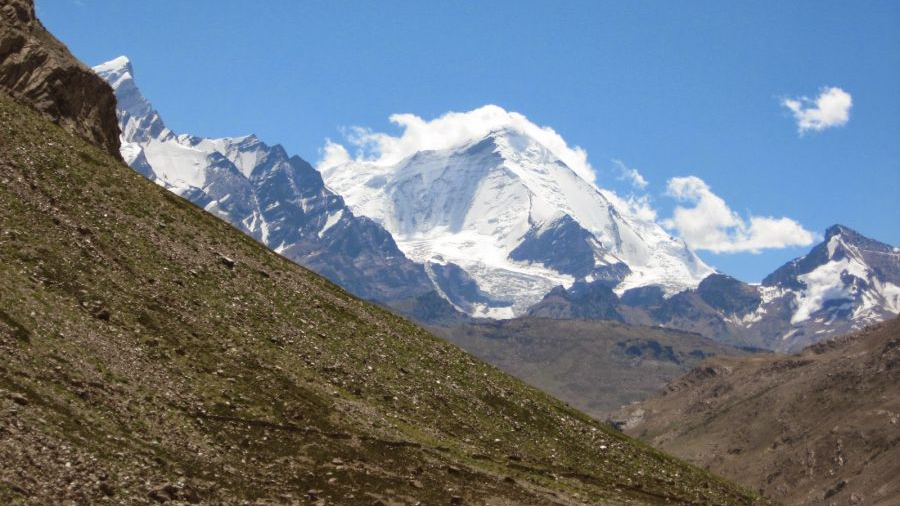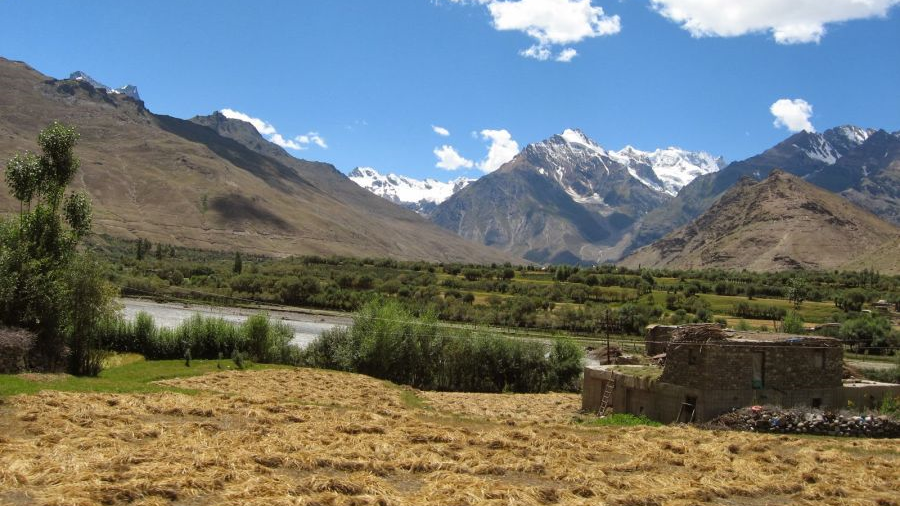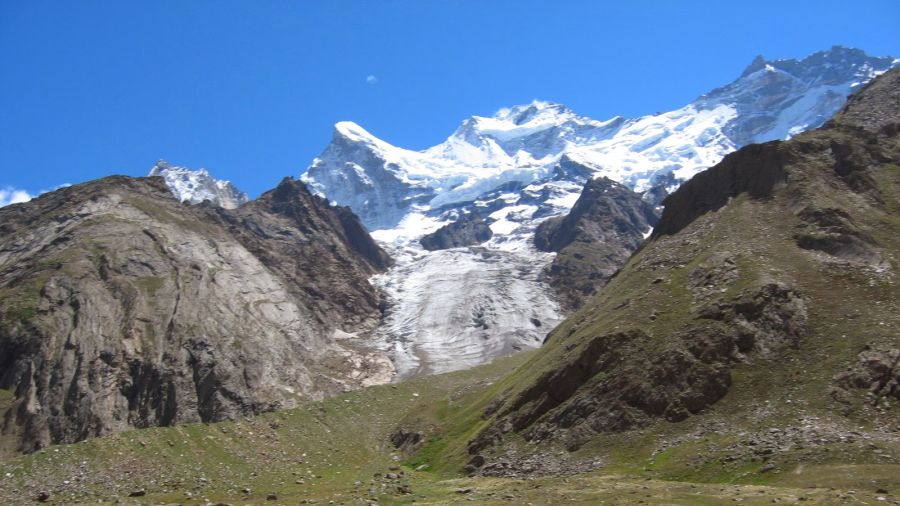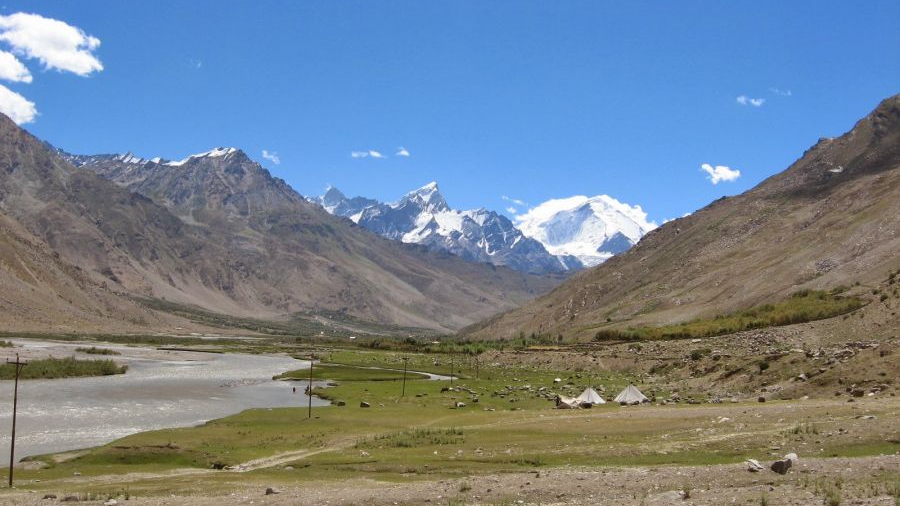
This new road will take you from Manali to Zanskar in a couple of days. The ancient Zanskari trails are still untouched by the road where we do long-distance treks until now. The Darcha - Padum - Lamayuru trail remained one of the best trekking routes in the Indian Himalayas for decades; now you can discover it in just a short period by road. Zanskar or Zangskar is a subdistrict or tehsil of the Kargil district, which lies in the Indian union territory of Ladakh. Padum is the administrative center. Dominated mainly by Buddhists, together with Ladakh, was once a part of the Guge kingdom in Western Tibet.
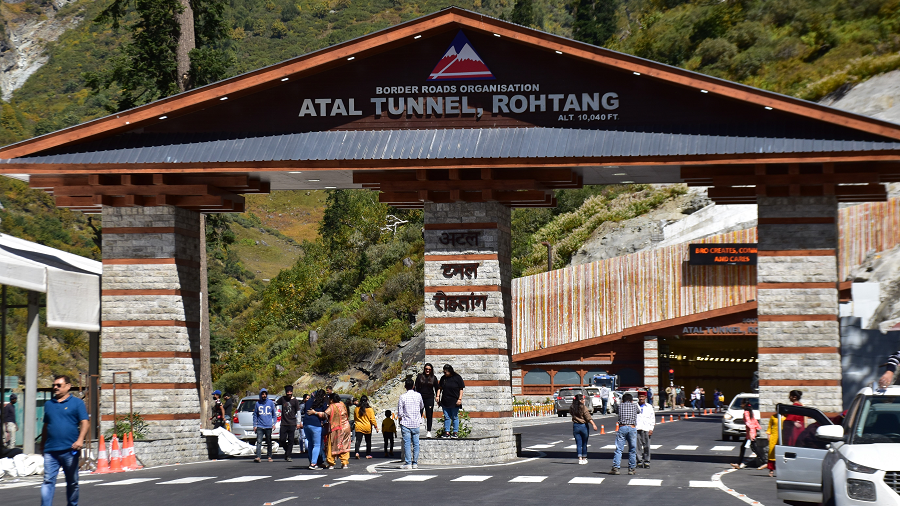
Setting off from Manali, the first-day drive to Keylong Jispa via Atal Tunnel Rohtang, a new gateway to Lahaul, Spiti, Pangi, and Zanskar valleys. Passing through the beautiful Chandra valley with some spectacular views of peaks rising above 6000 m. At Tandi, where Chandra & Bhaga meet to form the Chenab River, we enter Gahar Valley and continue to Jispa in the Stod Valley. A night in Keylong or Jispa in Lahaul will ensure proper acclimatization.
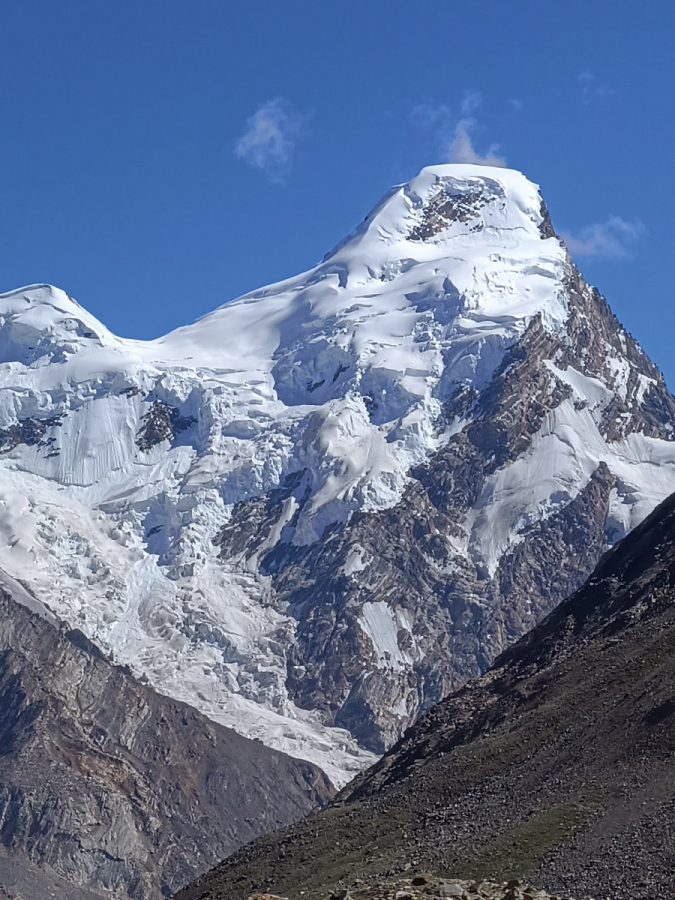
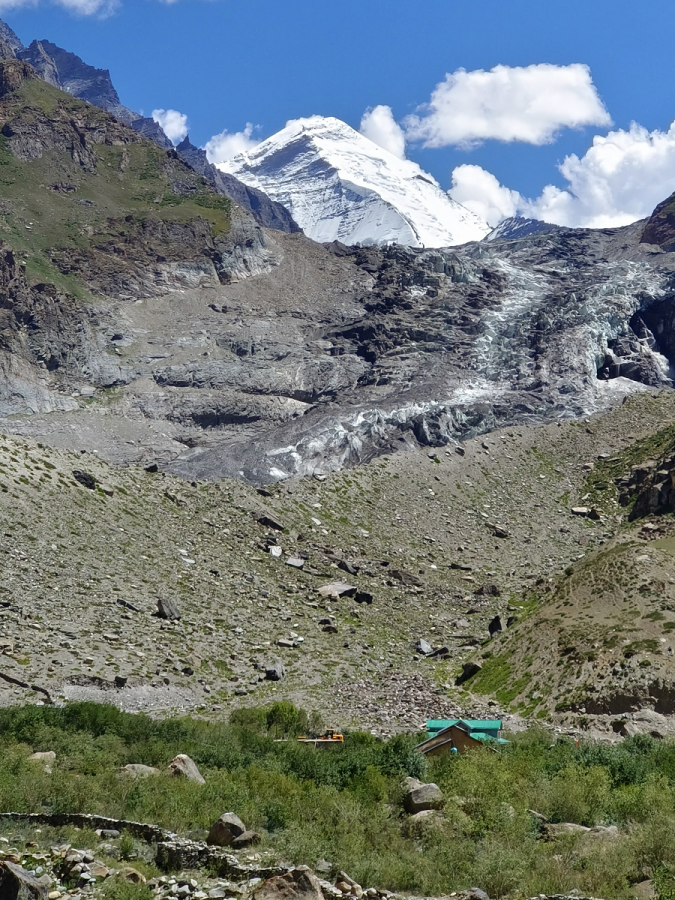
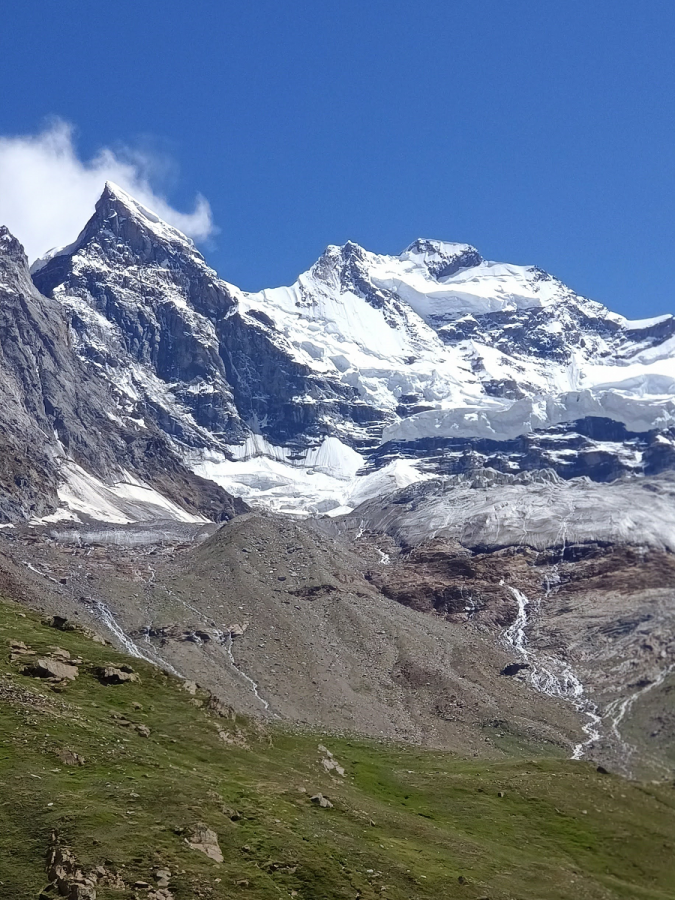
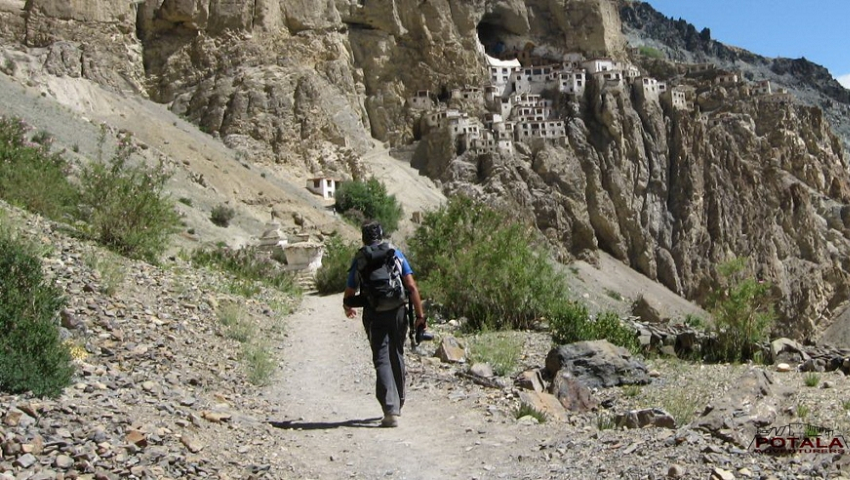
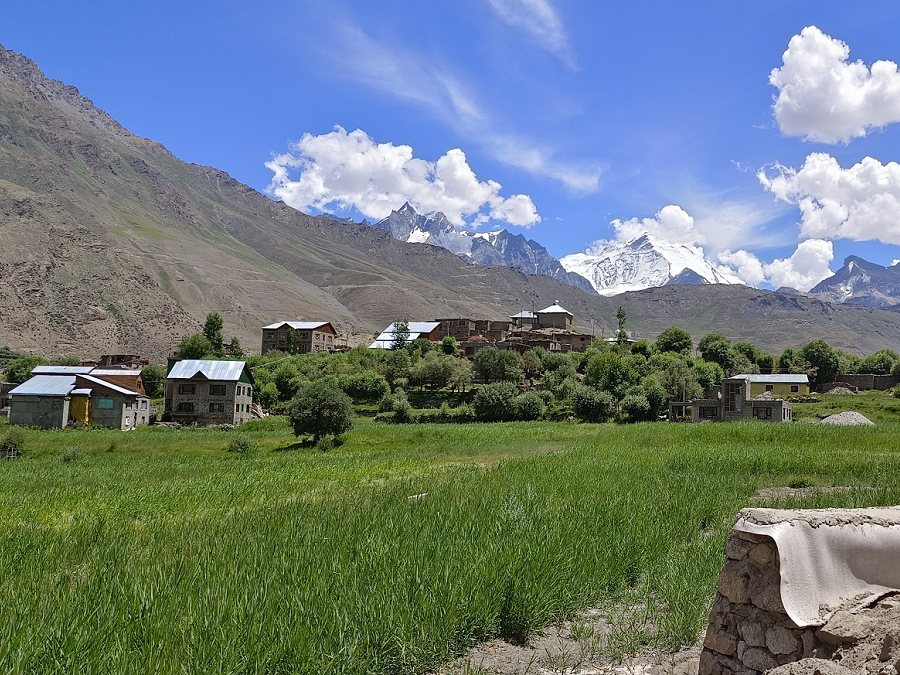
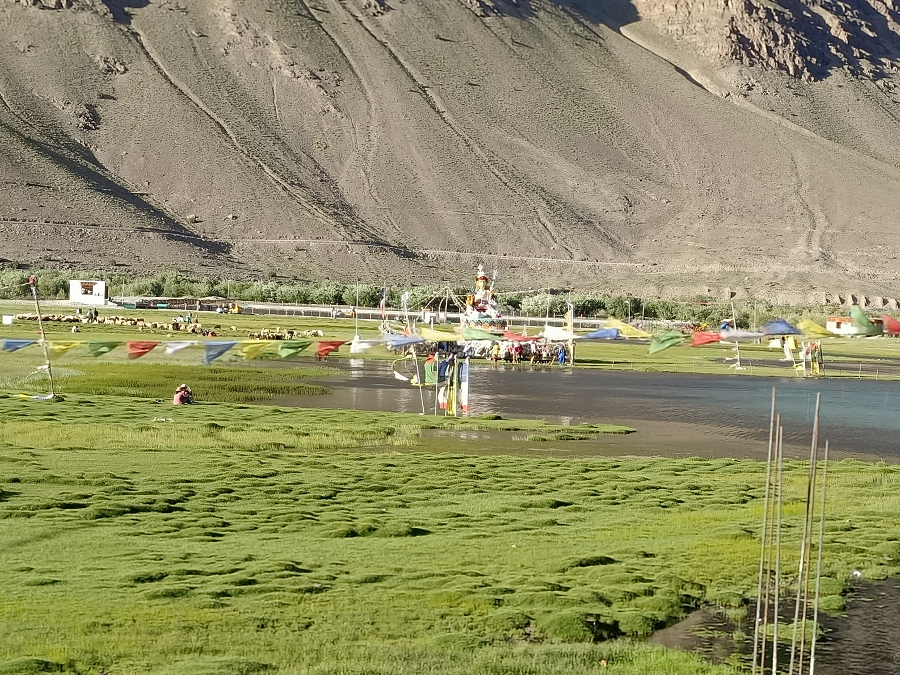
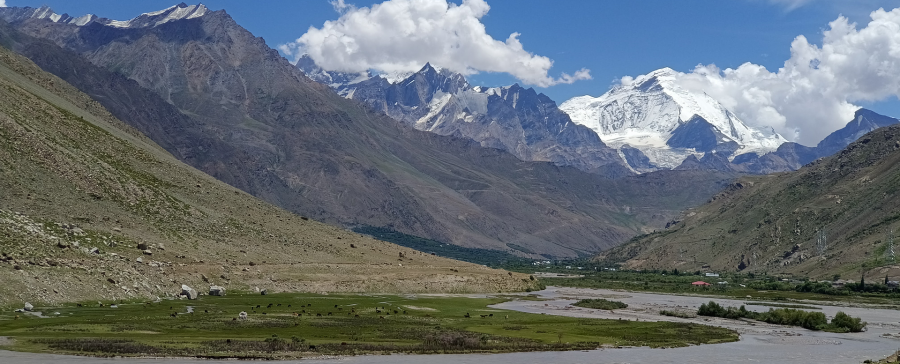
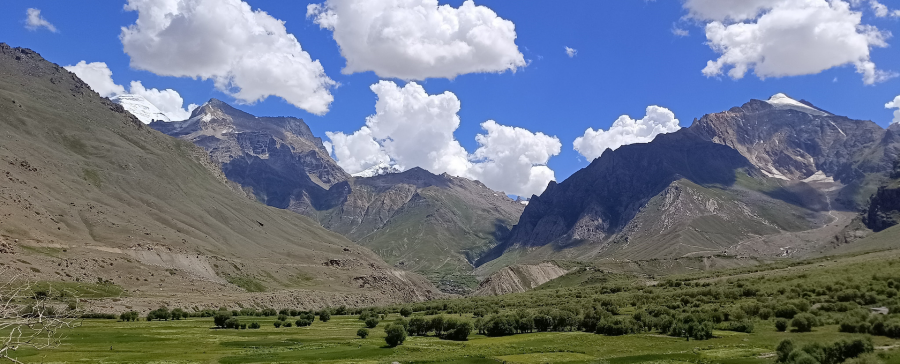
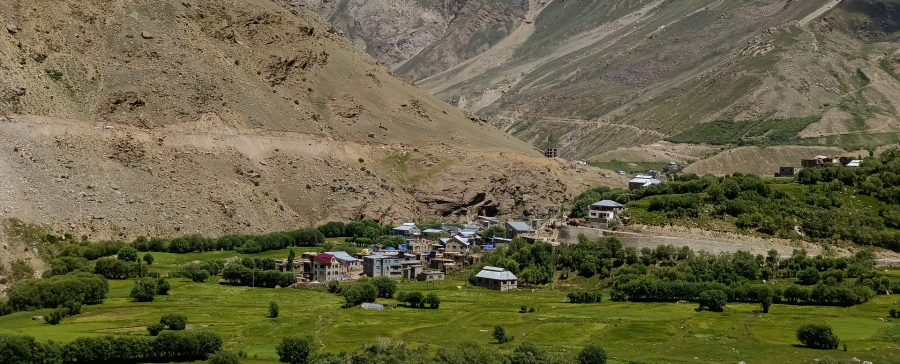
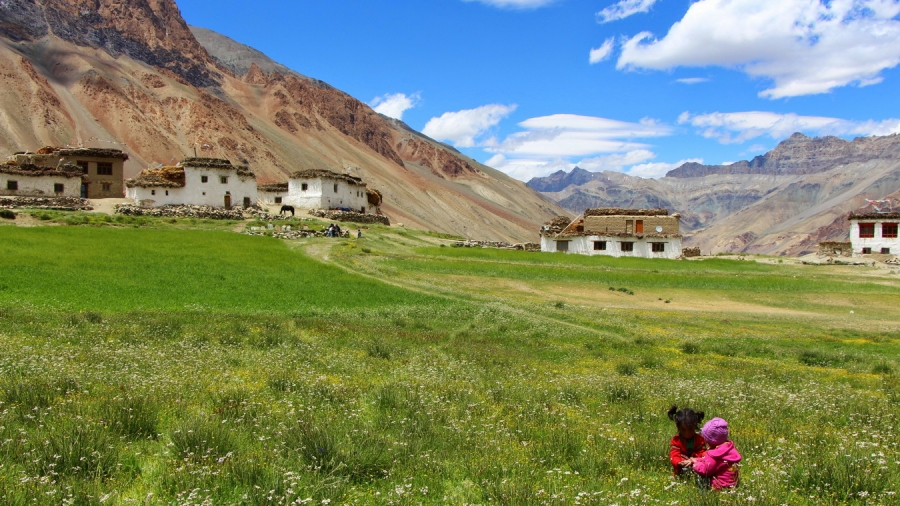
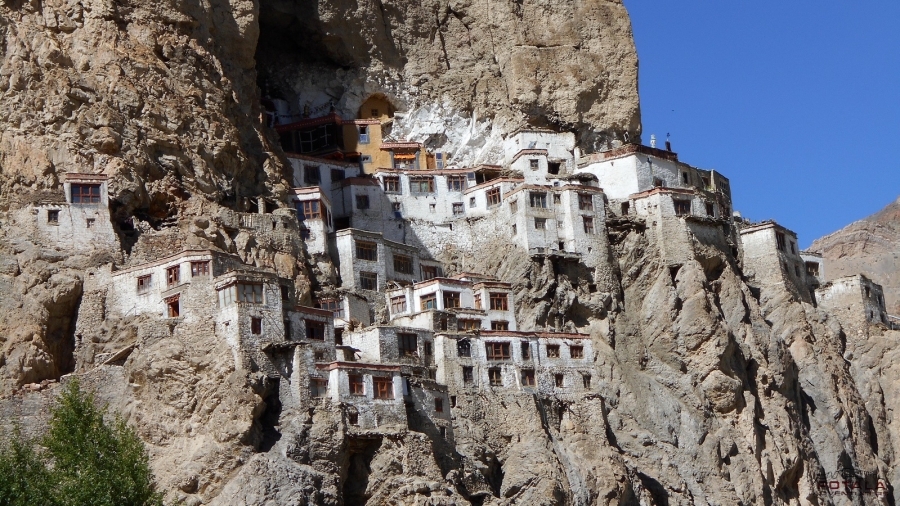
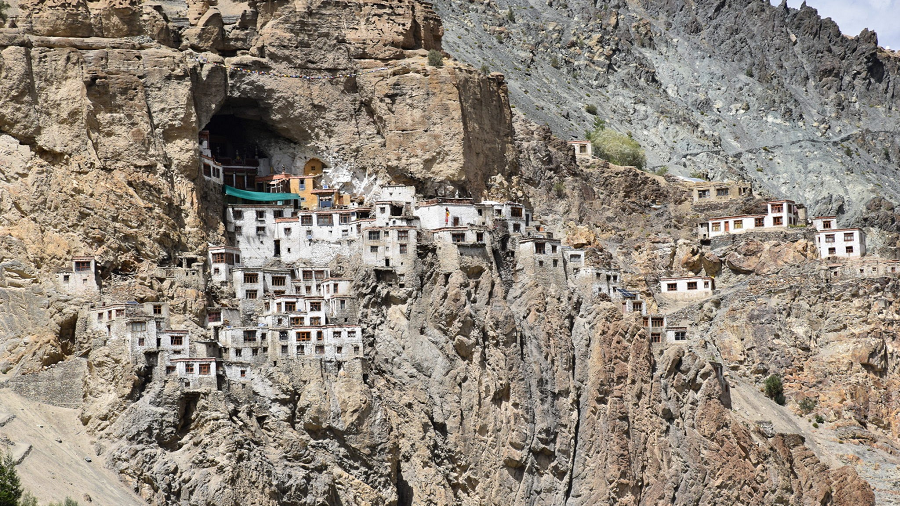
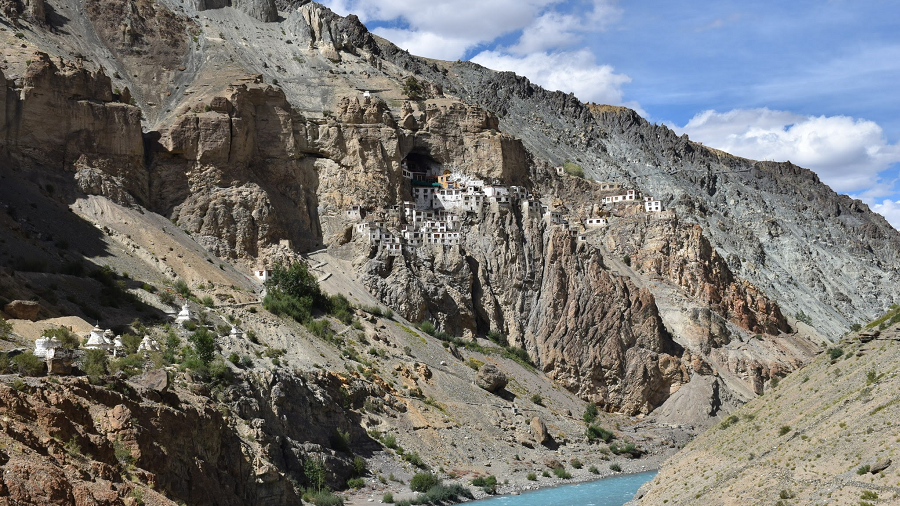
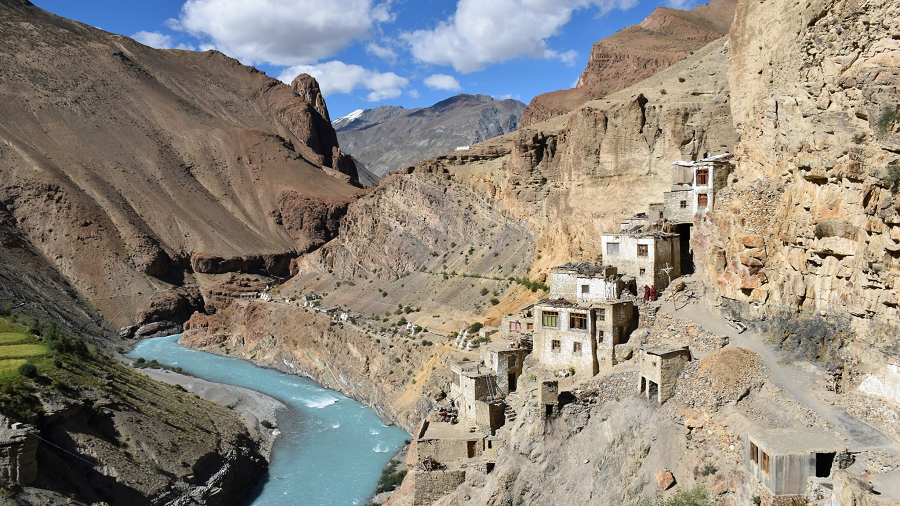
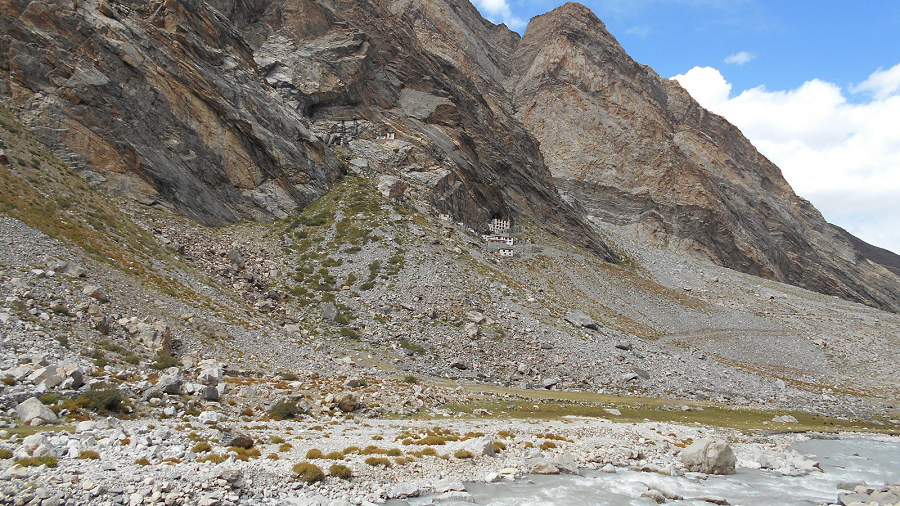
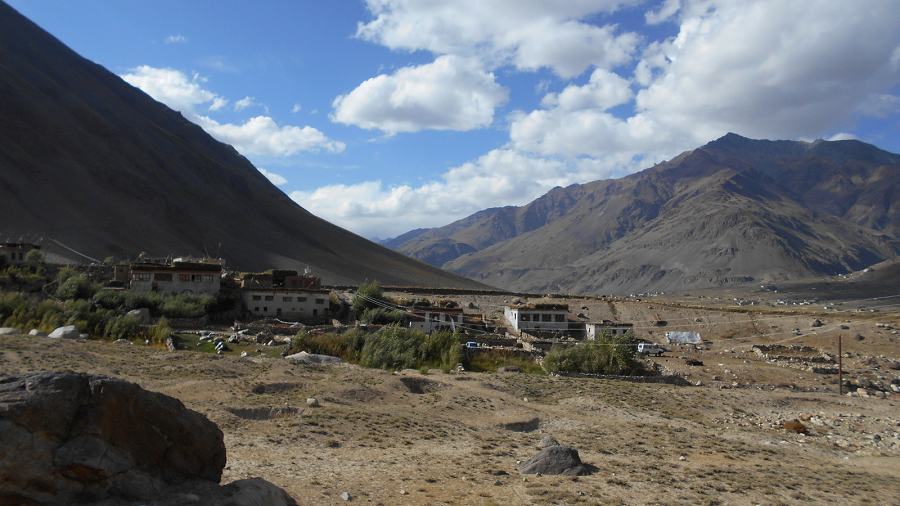
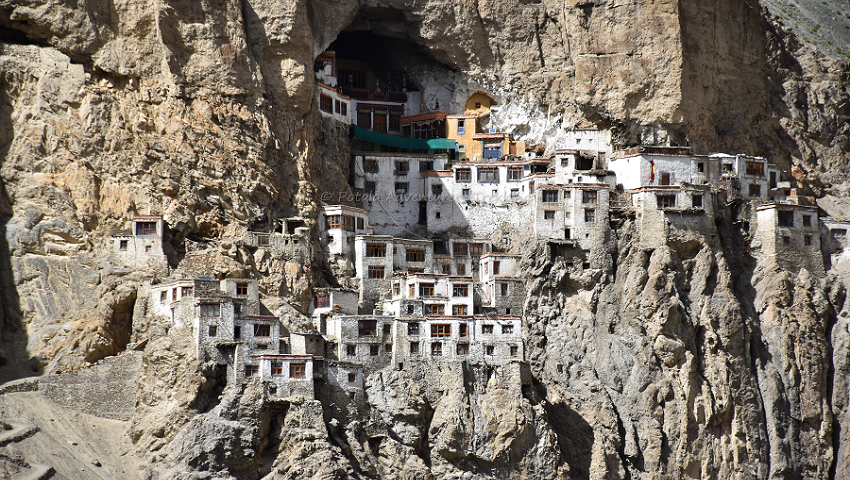
Chikka and Rarik are the last villages in Lahaul before Shinkun la, and Kurgiakh is the first village in the Lungnak River valley of Zanskar. We cross Shinkun La (5,090 m) to get into Zanskar. Lakhong is a high pasture land where villager from Kurgiakh, Thangso village keep their domestic animals, Yak, dzo, sheep, goats, and horses for summer grazing. This is the upper slopes of Zanskar where meadows are covered with edelweiss, and at the foot of Gumbok Rangan peak (5,580m), a Blue poppy can be found. Next, a series of beautiful villages along the route to Purney, which is located at the confluence of the Kurgiakh chu and the Tsarap River. Purney to Phugtal road is still under construction, and 2:30 hrs of a walk to one of the most spectacular sights of Zanskar - The Phugtal gompa. It is built under a huge cave. Continuing from Purne to Anmo village to Raru and finally to Karsha, bypassing Mune, Bardan & Padum. The next couple of days, visit the sights in the heart of Zanskar before entering Suru Valley in Kargil. Finally joining the Srinagar - Leh road at Kargil to Lamayuru. Exploring the Lamayuru and finally visiting Alchi, we drive to Leh, where our trip ends.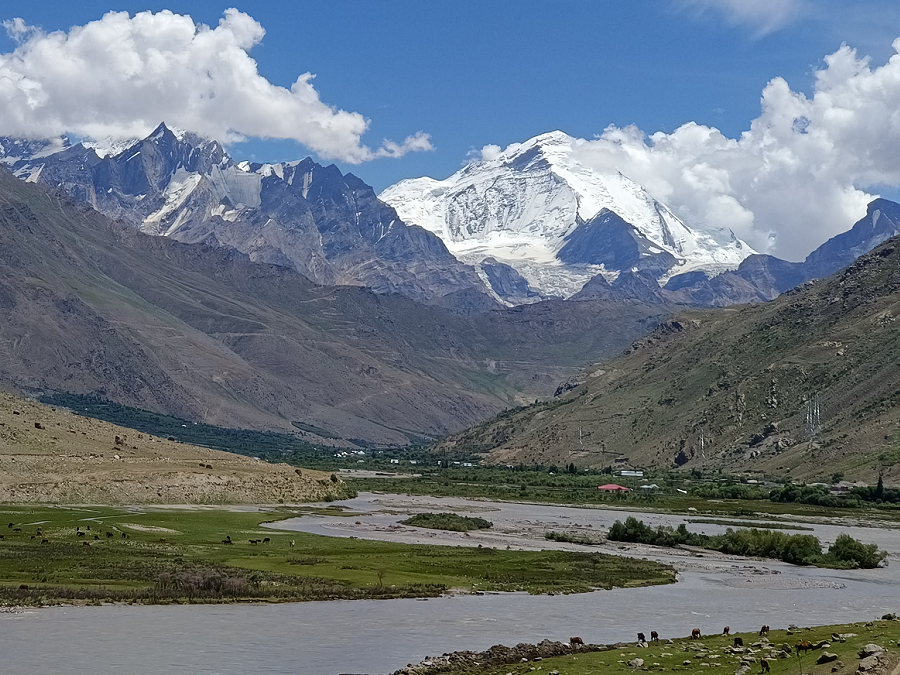
ZANSKAR TOUR ITINERARY
Day 1: Manali to Atal Tunnel - Keylong (3,100 m) - Jispa (3200 m) - Shinku La (5,090 m) - Gumbok Rangan (4,330 m) - Kurgiakh (4,150 m) - Purne (3,800 m).
Day 2: Purne - Phuktal (3,900 m) - Purne - Raru (3,800 m) – Bardan – Shilla - Padum (3,600 m).
Day 3: Padum – Local sightseeing - Sani - Karsha (3,750 m) - Stongde (3,800 m) - Zangla palace (3,650 m)
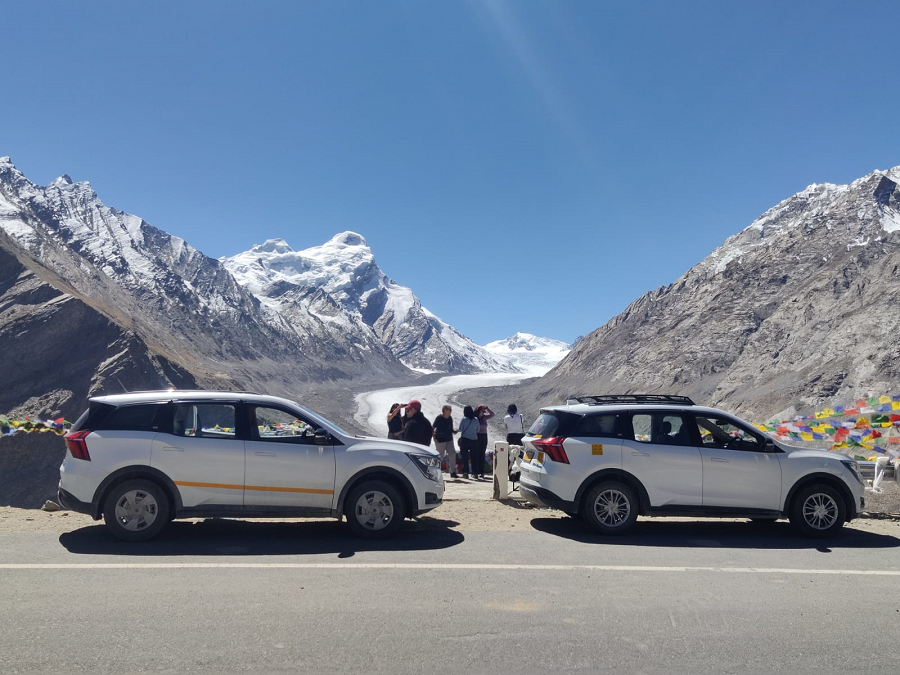
Day 4: Padum – Dzonkhul (3,890m) – Phey (3,700m) – Abran (3,750m) - Drang Drung glacier - Penzi La (4,494 m) – Rangdum (4,040m) – Parkachik (3,600m) – Panikhar (3,250m) – Damsna (3,190m) Nun peak view – Kargil (2,676m).
Day 5: Kargil – Mulbekh Chamba (3,250m) – Fotu La (4,109m) – Lamayuru (3,550m) – Khaltse (3,000m) - Alchi (3,100 m) - Leh (3,600 m).
LEH - MANALI EXTENSION
Day 6: Leh – Thiksey – Stakna – Rumtse – Taglang La – Pang – Lachulang La – Sarchu – Baralacha La – Jispa.
Day 7: Jispa – Keylong – Sissu – Atal Tunnel - Manali
____________________________________
MANALI - ZANSKAR VALLEY TOUR - MANALI: 4 NIGHTS 5 DAYS
Day 1: Manali to Atal Tunnel - Keylong (3,100 m) - Jispa (3,200 m) - Shinku La (5,090 m) - Gumbok Rangan (4,330 m) - Kurgiakh (4,150 m) - Purne (3,800 m)
Day 2: Hike to visit Phuktal (3,900 m), back to Purne - Raru (3,800 m) – Bardan – Shilla falls - Padum (3,600 m).
Day 3: Padum – Dzonkhul (3,890m) – Sani - Phey (3,700m) – Abran (3,750m) - Drang Drung glacier - Penzi La (4,494 m) – Padum (3,600m)
Day 4: Padum - Karsha (3,750 m) - Stongde (3800 m) - Zangla (3,650 m) – Padum (3,600m) – Gumbok Rangan.
Day 5: Gumbok Rangan - Shinku La (5,090m) – Darcha – Sissu - Atal Tunnel – Manali. 5 hrs.
____________________________________
ZANSKAR TOUR TRIP DOSSIER
Day 1: Manali to Atal Tunnel - Keylong (3,100 m) - Jispa (3200 m) - Shinku La (5,090 m) - Gumbok Rangan (4,330 m) - Kurgiakh (4,150 m) - Purne (3,800 m).
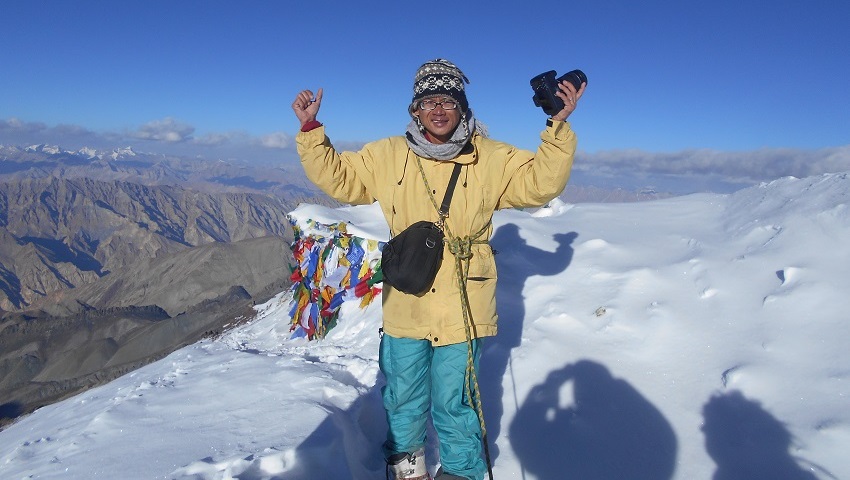
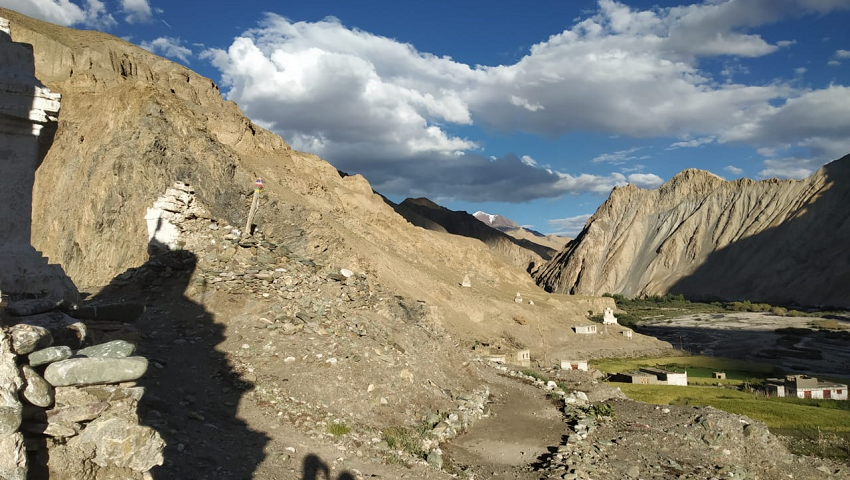
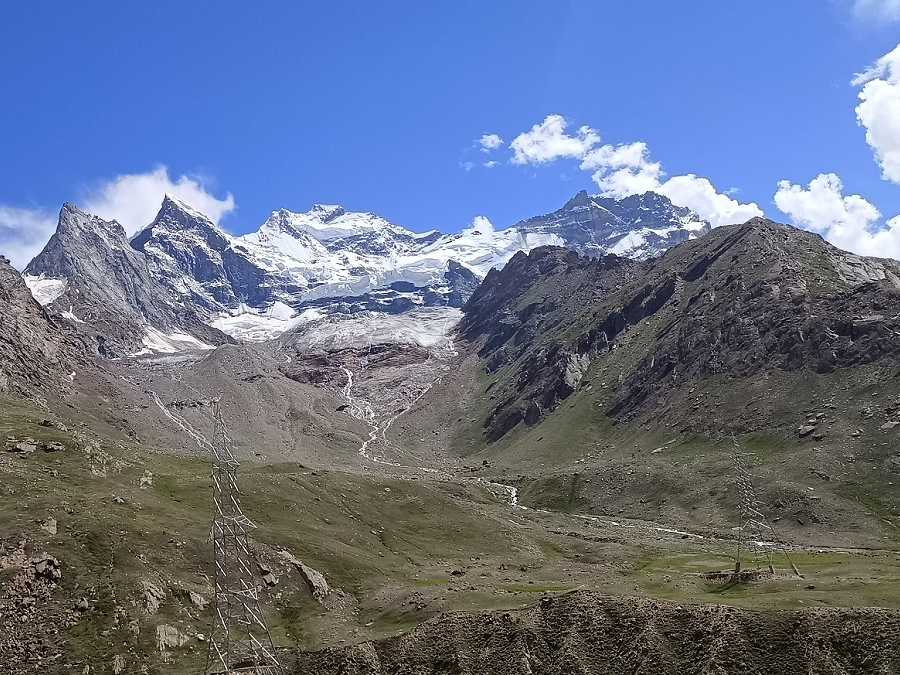
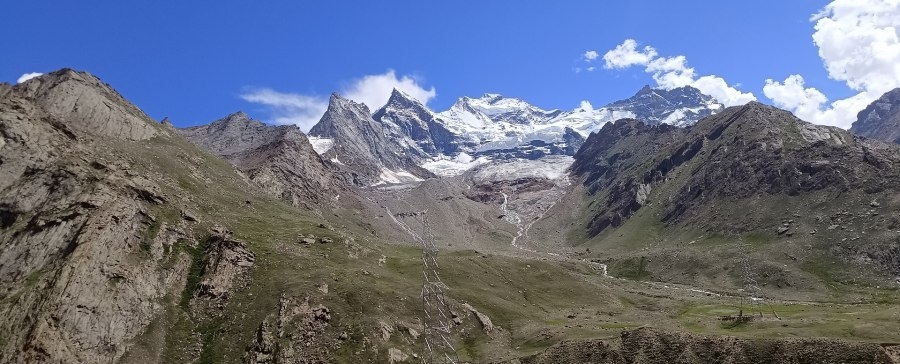
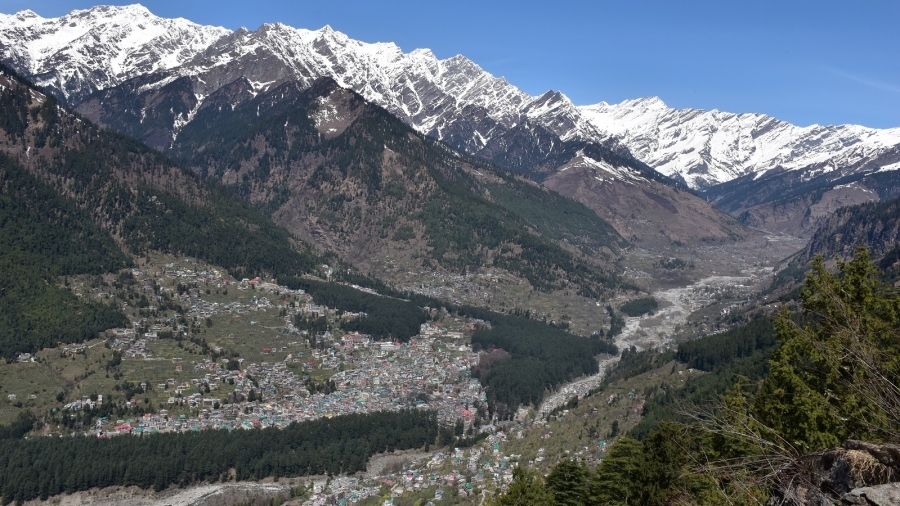
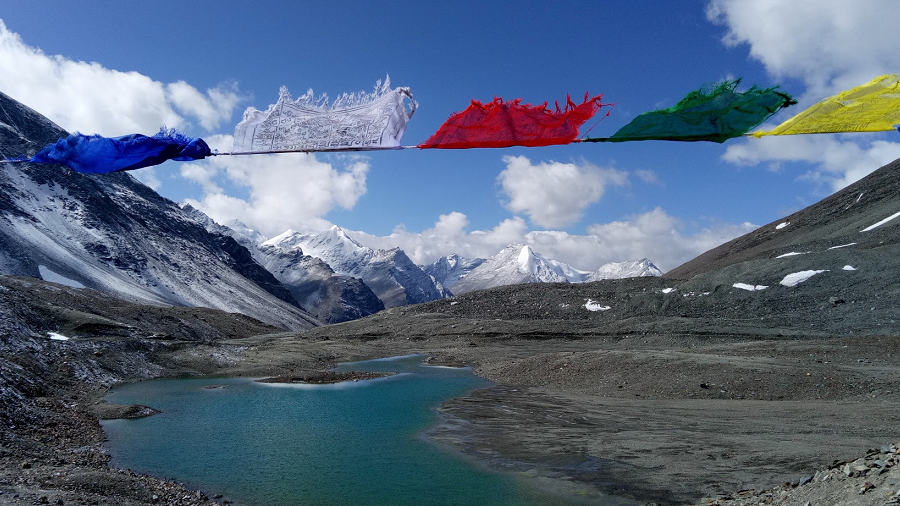
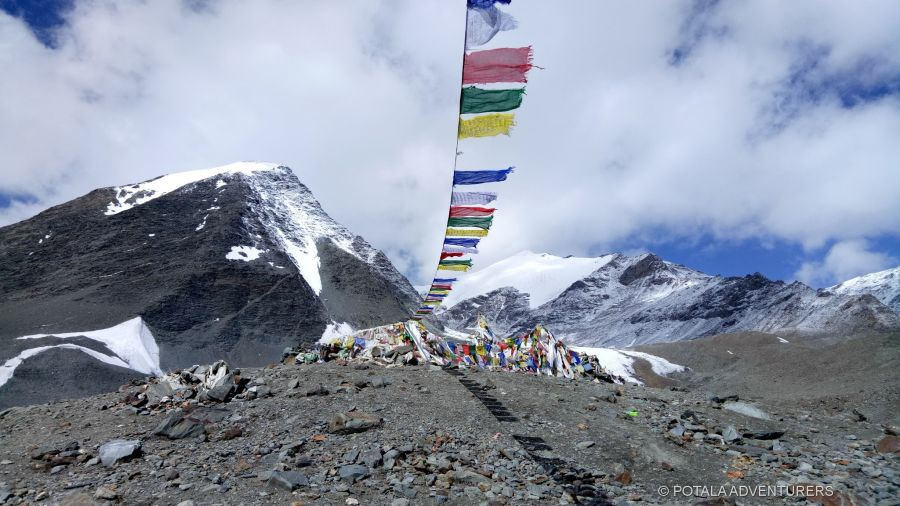
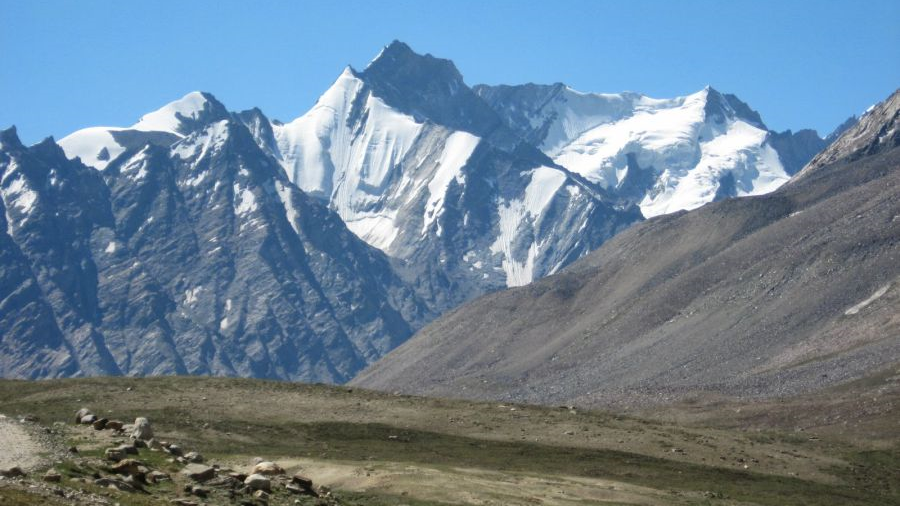
Starting the trip from Manali, which is located at the head of the lush green Kullu valley. Leaving Manali first to Solang and then to the Atal Tunnel, which is now the new gateway to Lahaul, Spiti, Pangi, and Zanskar Valley. The landscape changes dramatically, the greenery being replaced by barren hillsides, surrounded by high peaks, and hanging glaciers, and the village with its bountiful fields of barley, peas, and potatoes, stands out in stark contrast. Upon entering Lahaul, the Buddhist influence is evident in the numerous monasteries encountered along the way. The people here have distinct Tibetan features. From Tandi along the Bhaga River to Keylong and to Jispa, continue Jispa to Darcha and to Chikka & Rarik, the last two villages before Shinku La. Crossing the bridge at Palamo and then along the river to Zanskar Sumdo. Leaving Zanskar Sumdo, the road passes over the second bridge and then up the right-hand valley, following the stream that originates from Shinku La. The highest point of our trip was at 5,090 meters. On top of Shinku La, there are prayer flags and mani stones that tell the story of those people who crossed over years back. With an impressive view of the Zanskar side of the valley, with summits rising above 6000 m of the Great Himalayan range. The road descends to Pankeya, and further to Lakhong, we reach the valley floor. Lakhong is high pasture land for yaks, dzo, and sheep, where domestic animals are kept during summertime and produce cheese and butter for winter stock. Along the right bank of Kurgiakh chu and below the mass of fallen rocks of Gumbok Rangan peak. We finally arrive at Kurgiakh, the first village of Zanskar. We pass the Karu, Tangze village, to a series of stupas before reaching Purne. Purne is situated at the confluence between Tsarap and Kurgiak chu and forms the Lungnak River valley.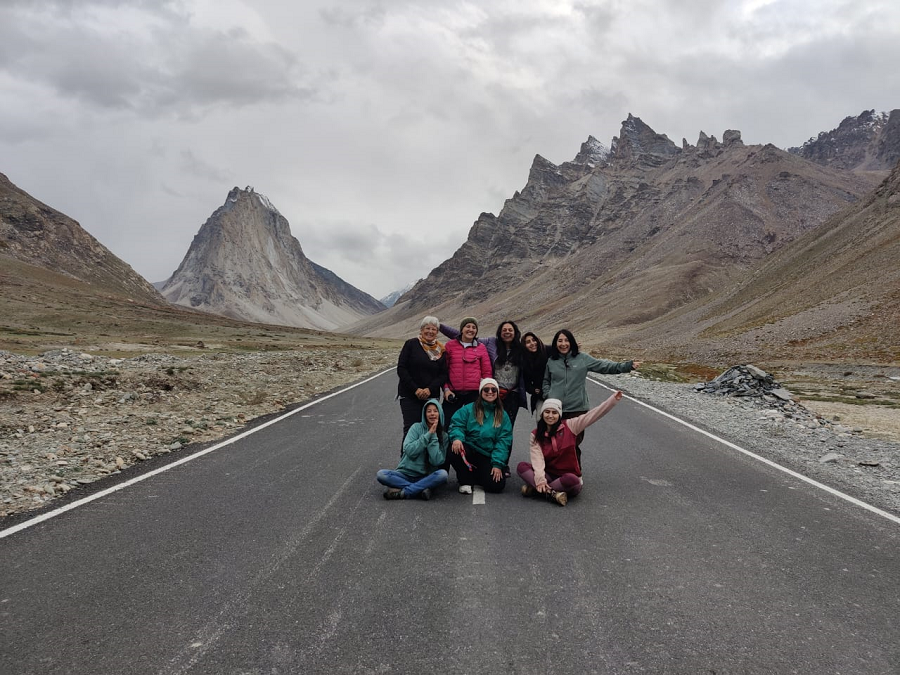
Day 2: Purne - Phuktal (3,900 m) - Purne - Raru (3,800 m) – Bardan – Shilla - Padum (3,600 m).
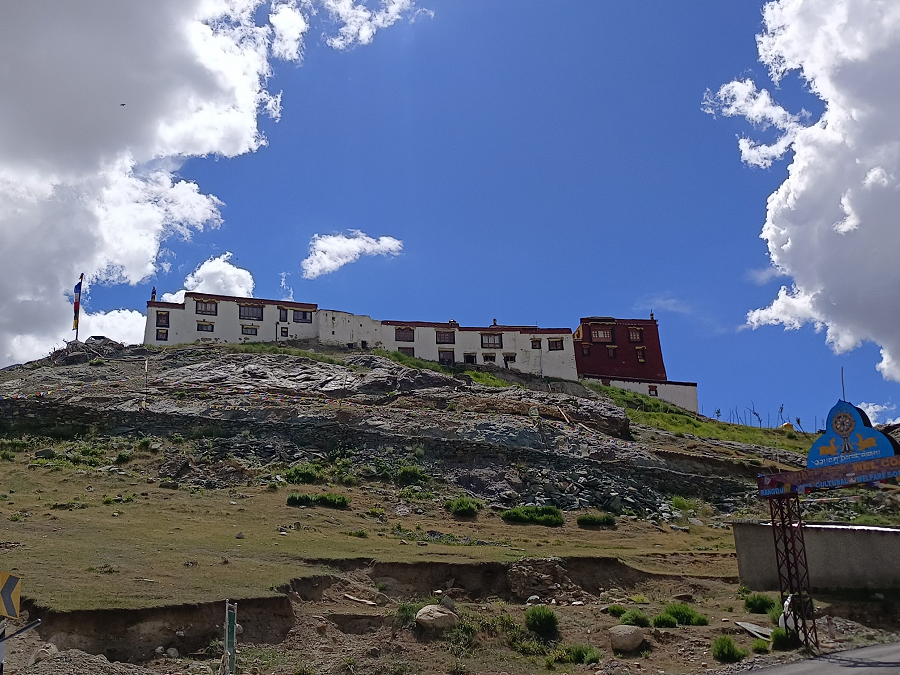
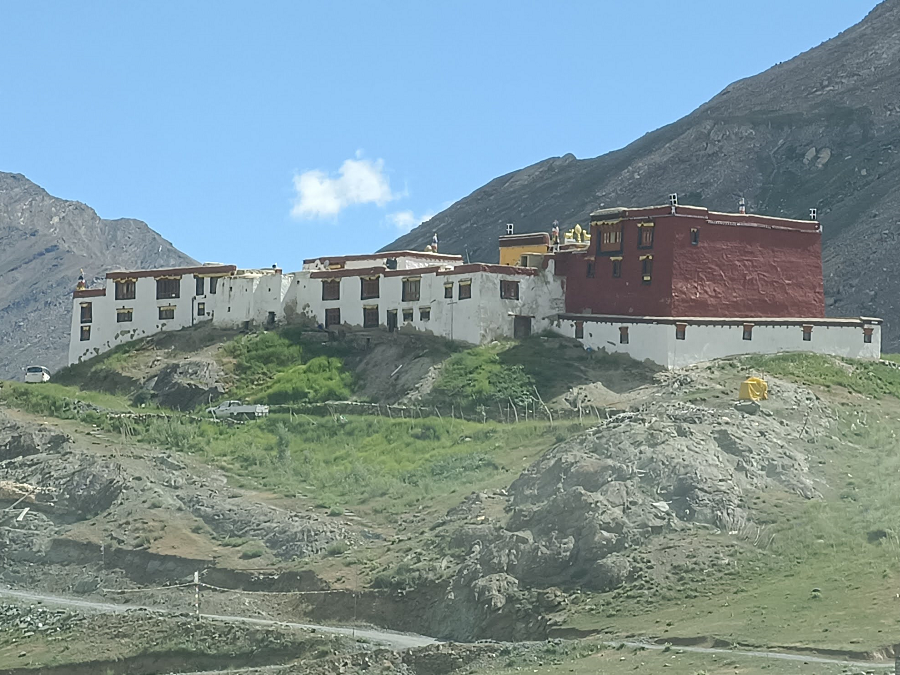
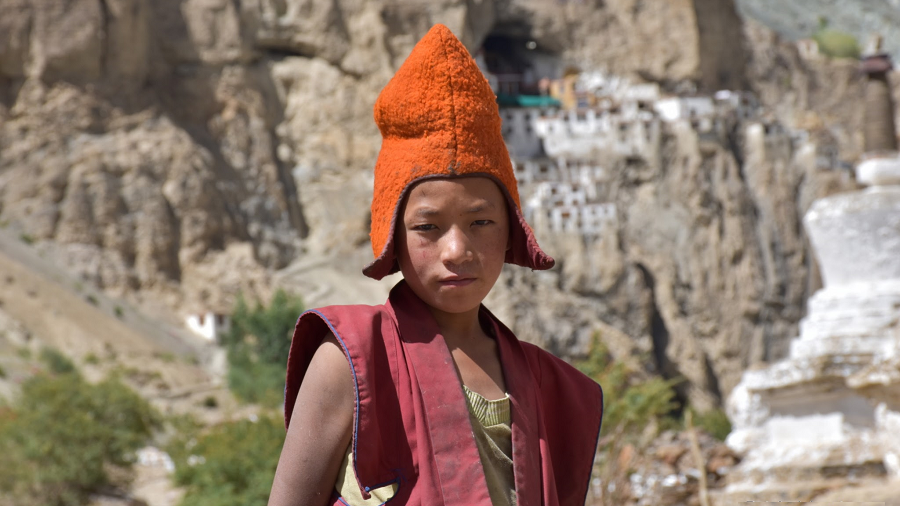
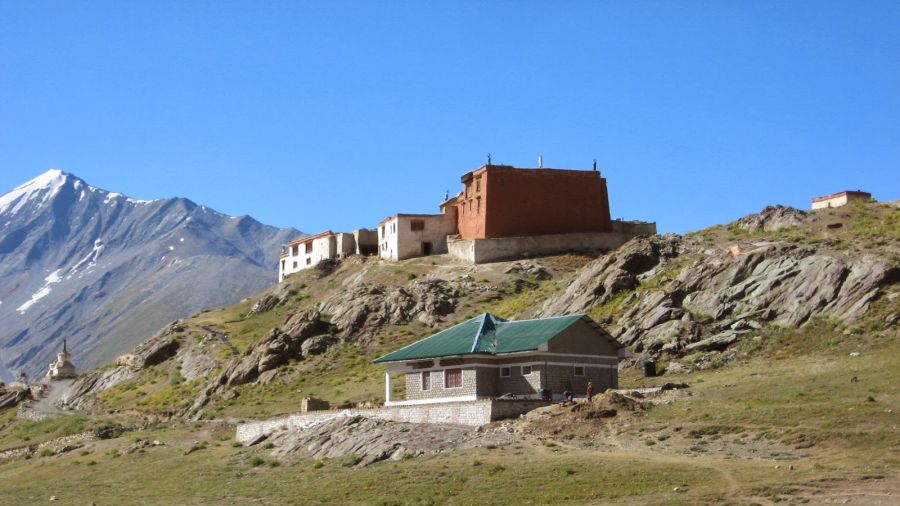
Purne to Phuktal distance: There is a road that goes along the left bank of the Tsarap River up to a wooden bridge before Phuktal monastery, a hike for an hour. It's 2 to 3 hours for the Phuktal hike & visit, also called Phukthar. This monastery is built under a huge cave, and it belongs to the Gelukpa sect of Tibetan Buddhism. There is a stone tablet that serves as a reminder of the stay of Alexander Csoma de Koros at Phuktal, while he worked on the first English-Tibetan dictionary between 1826 and 1827, when he explored Ladakh.
Leaving Phuktal back to Purne and the zig-zag road to Cha village. The road passes through the beautiful village of Raru. En route, passing and visiting Bardan gompa, continue to drive to Padum.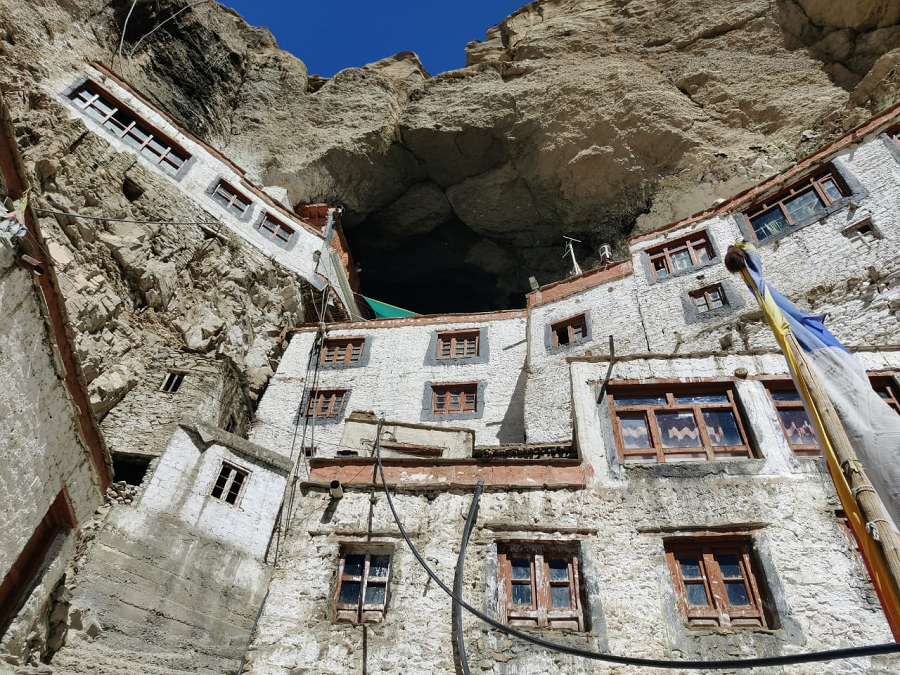
Day 3: Padum – Local sightseeing - Sani - Karsha (3,750 m) - Stongde (3,800 m) - Zangla palace (3,650 m)
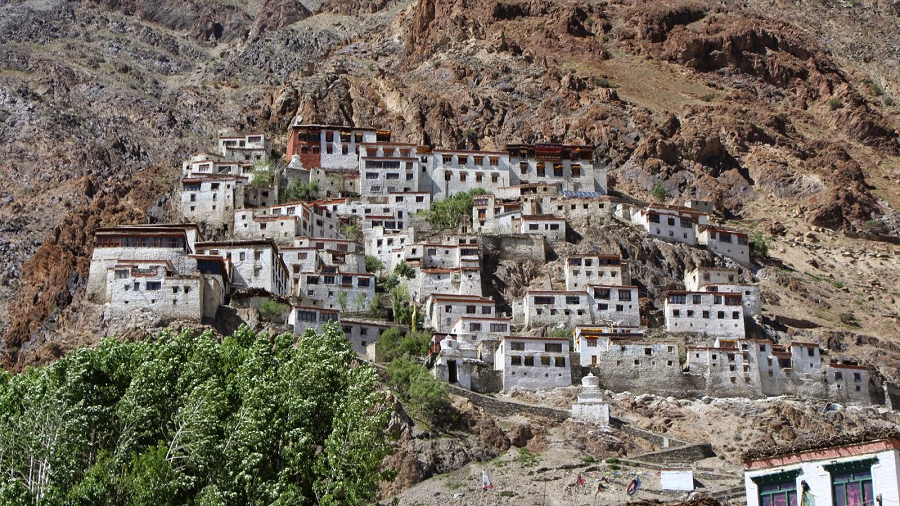
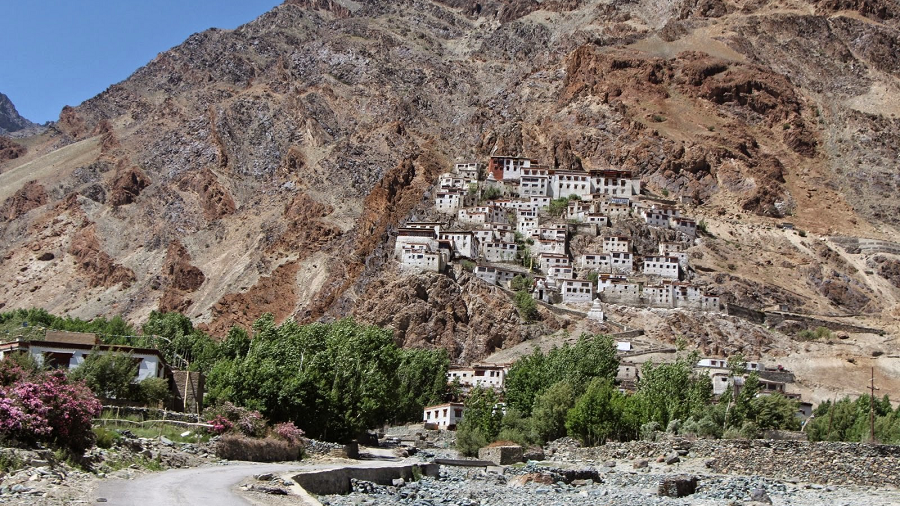
Today, visits to major attractions in Central Zanskar. At the first visit to Karsha monastery. Karsha is one of the biggest monastic complexes in the Zanskar region.
Leaving Karsha to Thongde, which is built on a hilltop by Lama Marpa and is more than 950 years old, finally drive to visit Zangla Fort. Visiting Zangla, and finally to visit the Sani monastery & the small Lake.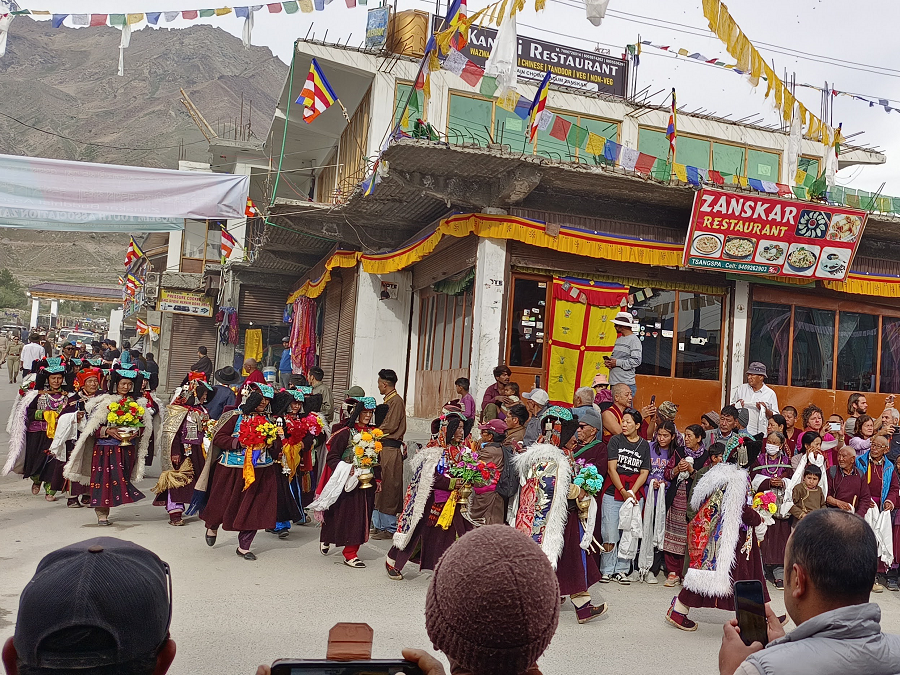
Day 4: Padum – Dzonkhul (3,890m) – Phey (3,700m) – Abran (3,750m) - Drang Drung glacier - Penzi La (4,494 m) – Rangdum (4,040m) – Parkachik (3,600m) – Panikhar (3,250m) – Damsna (3,190m) Nun peak view – Kargil (2,676m).
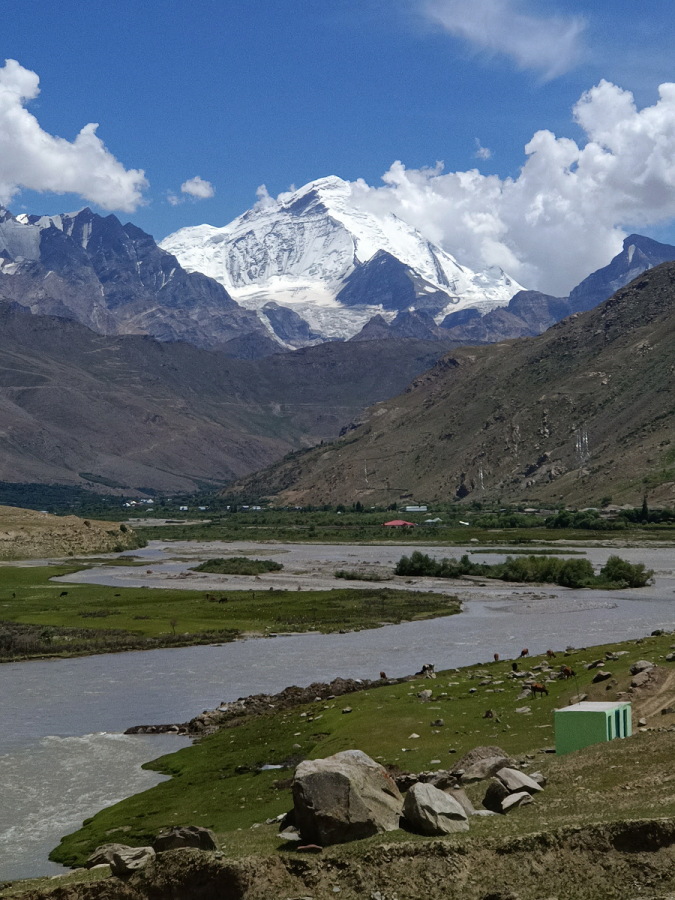
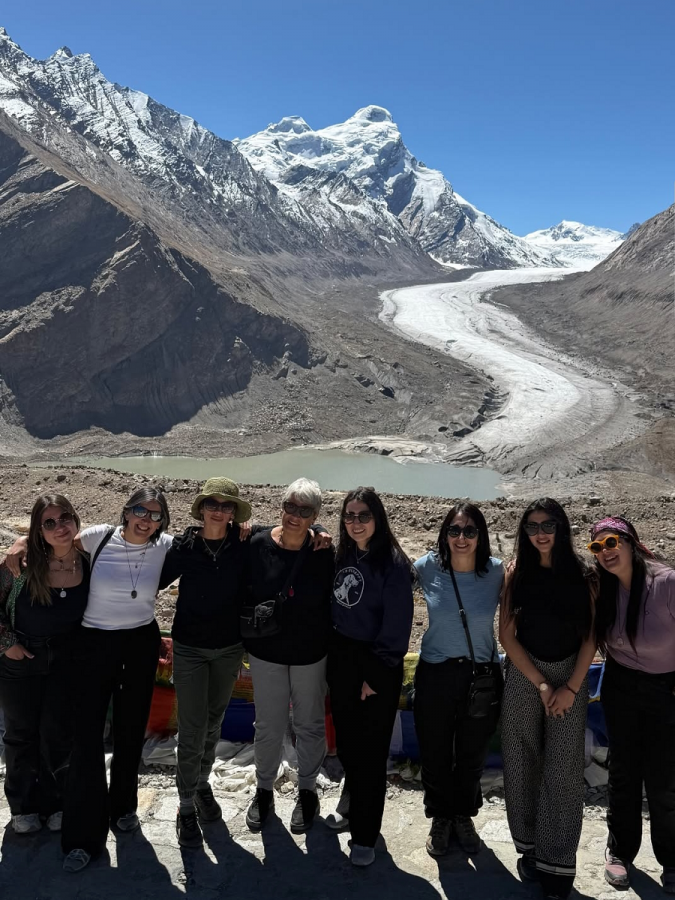
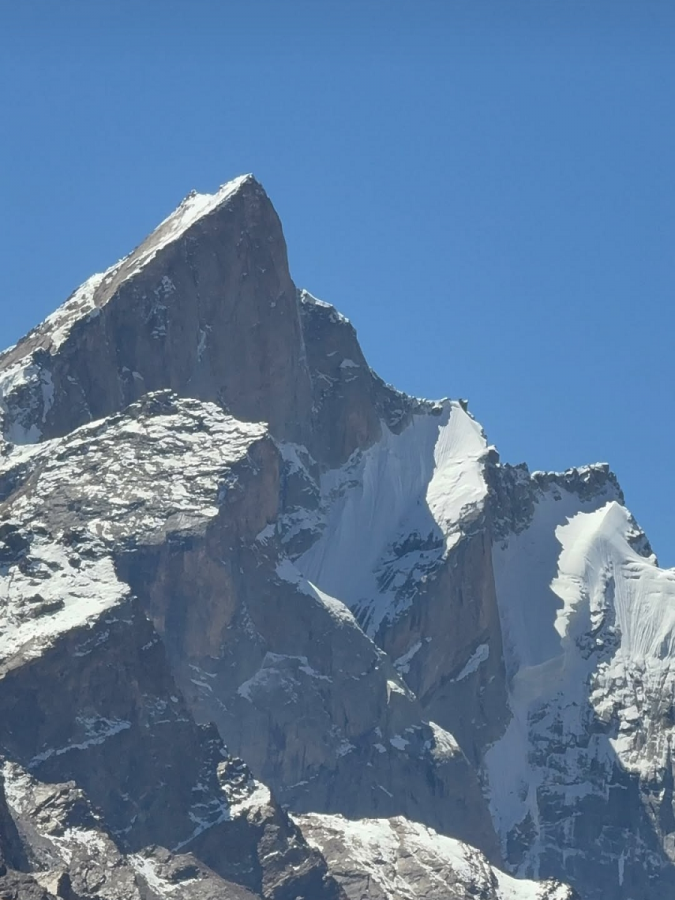
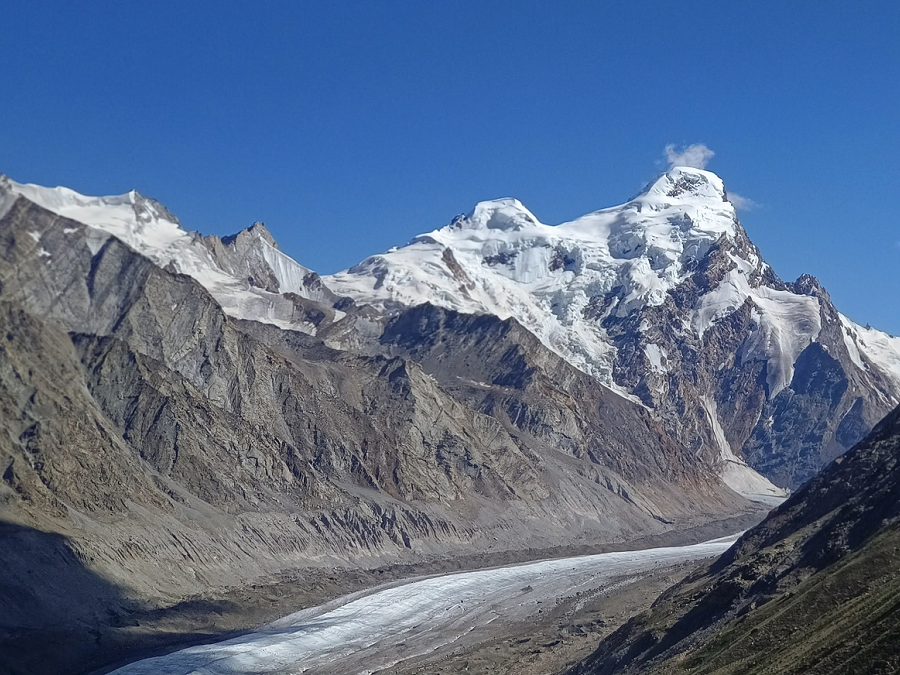
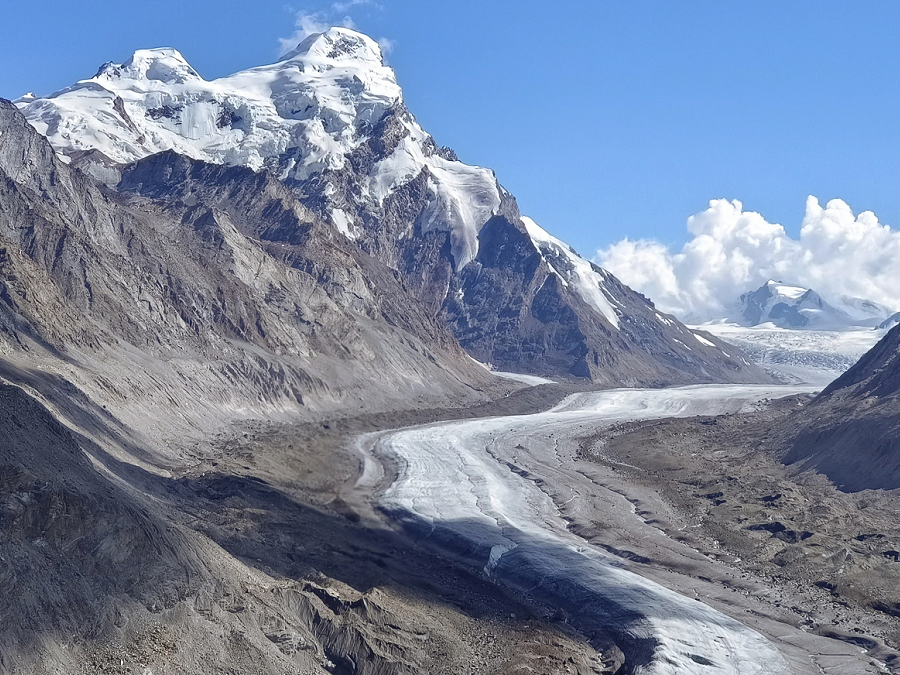
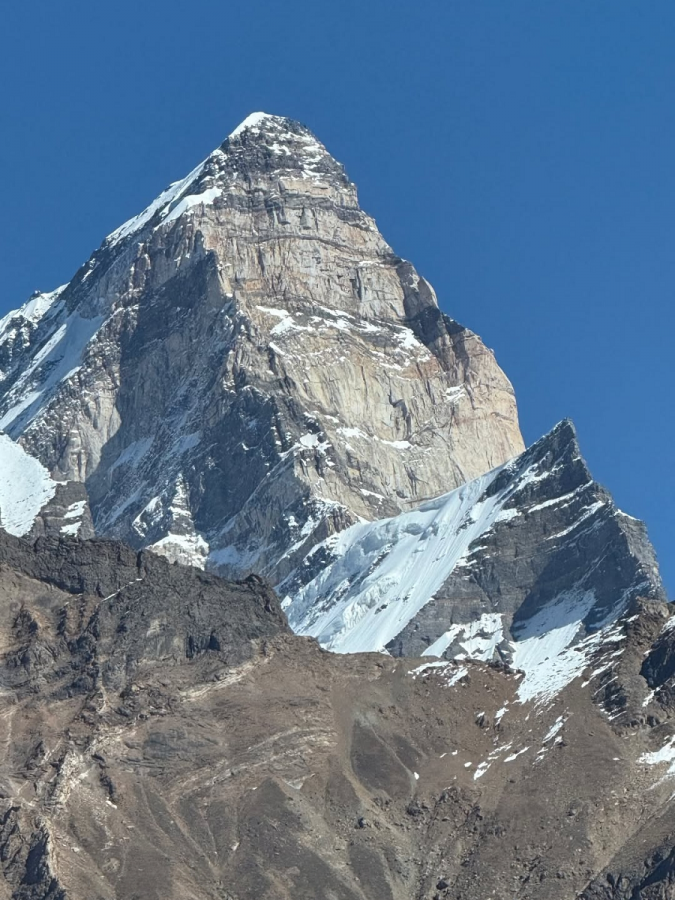
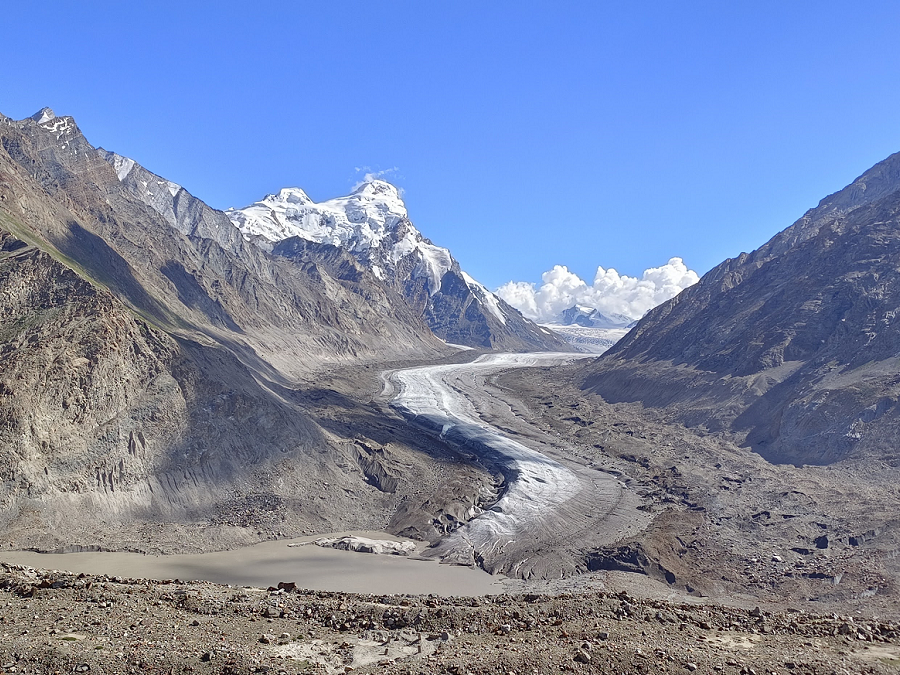
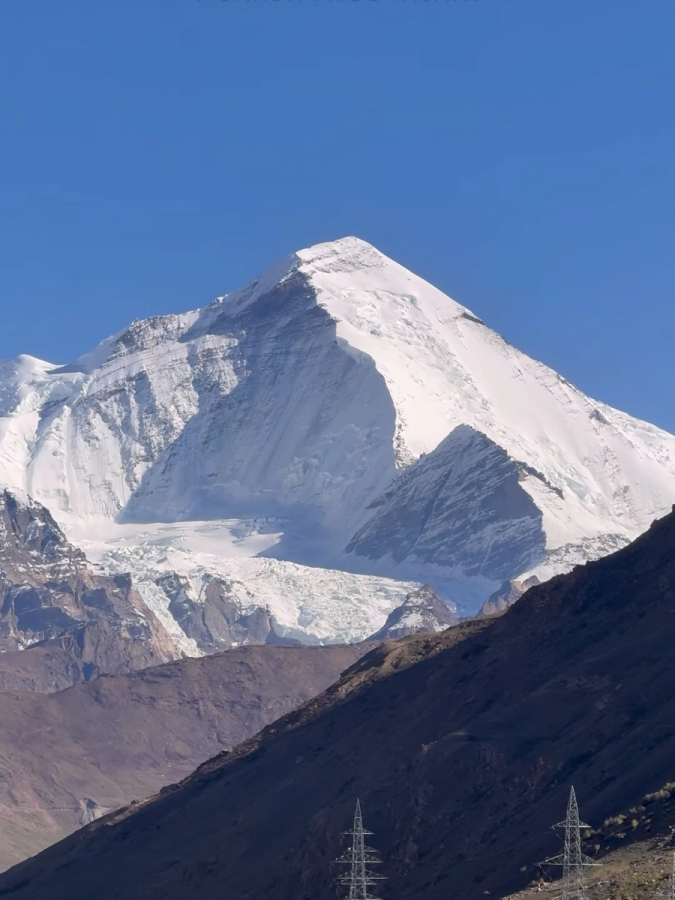
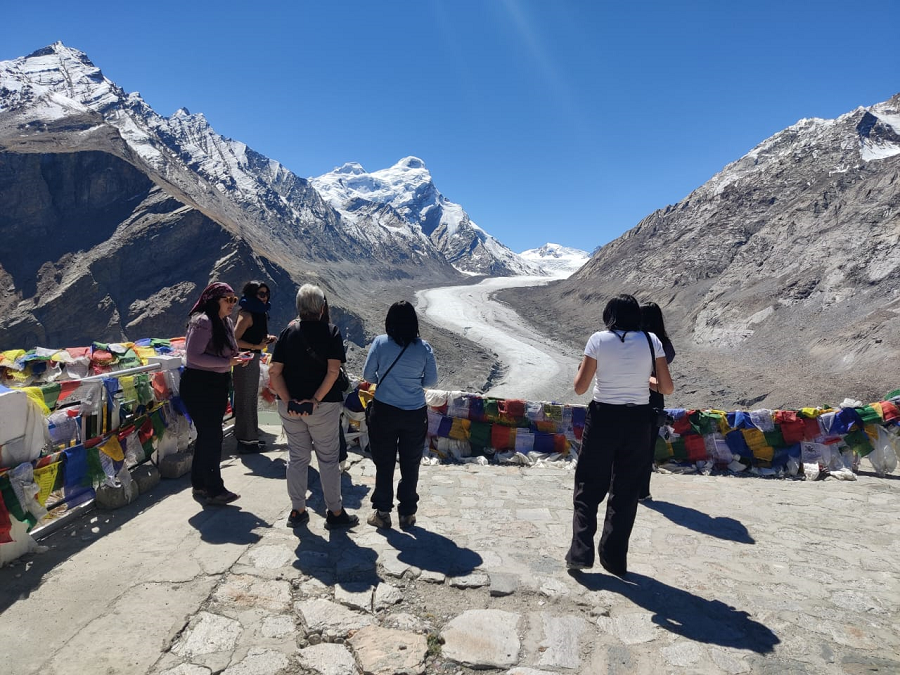
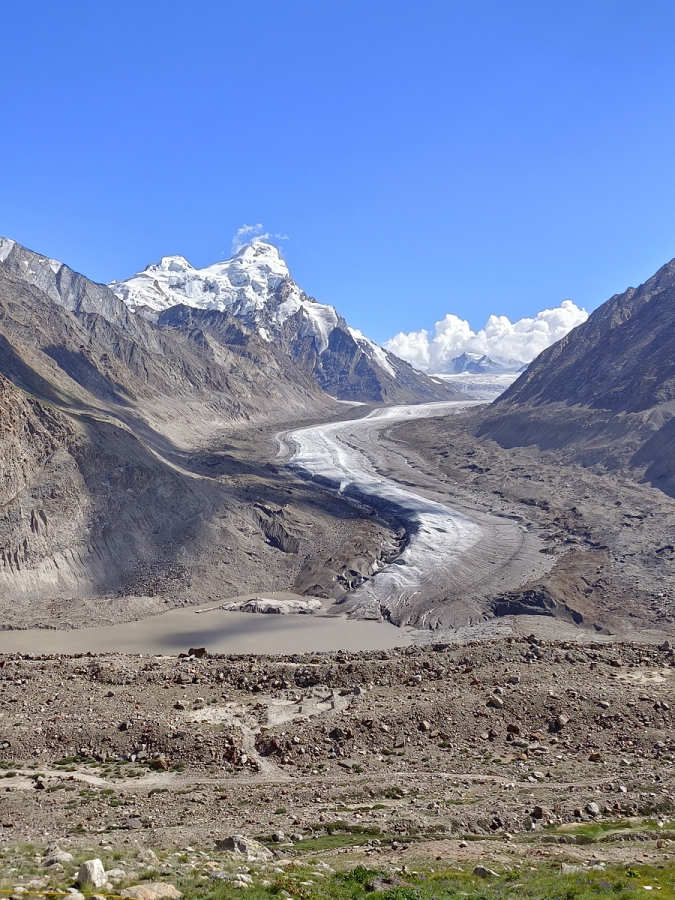
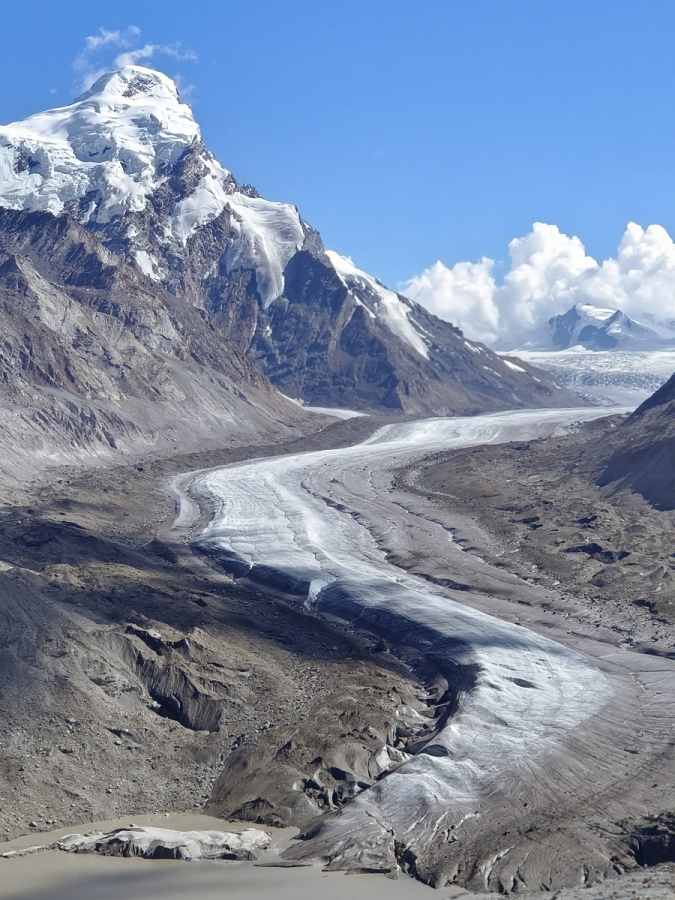
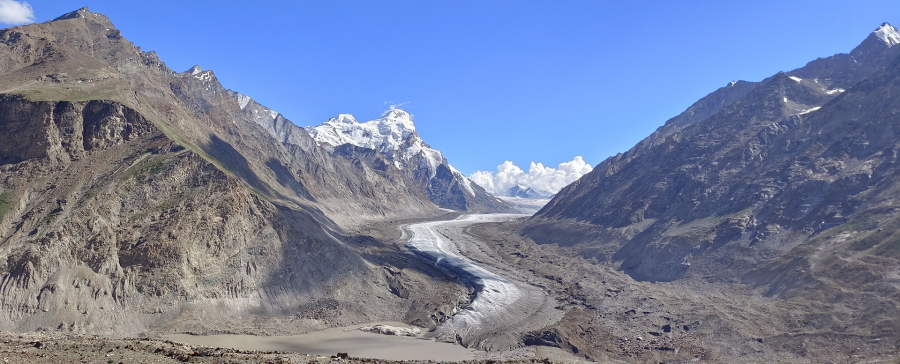
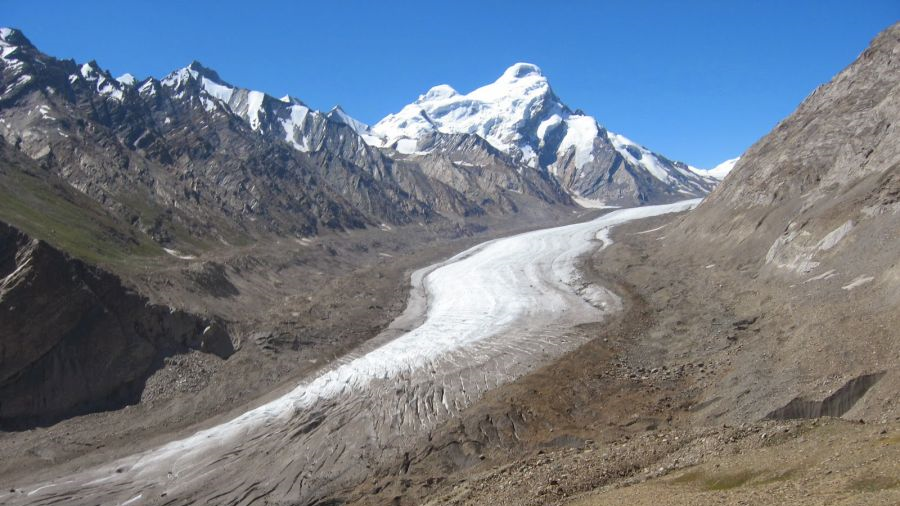
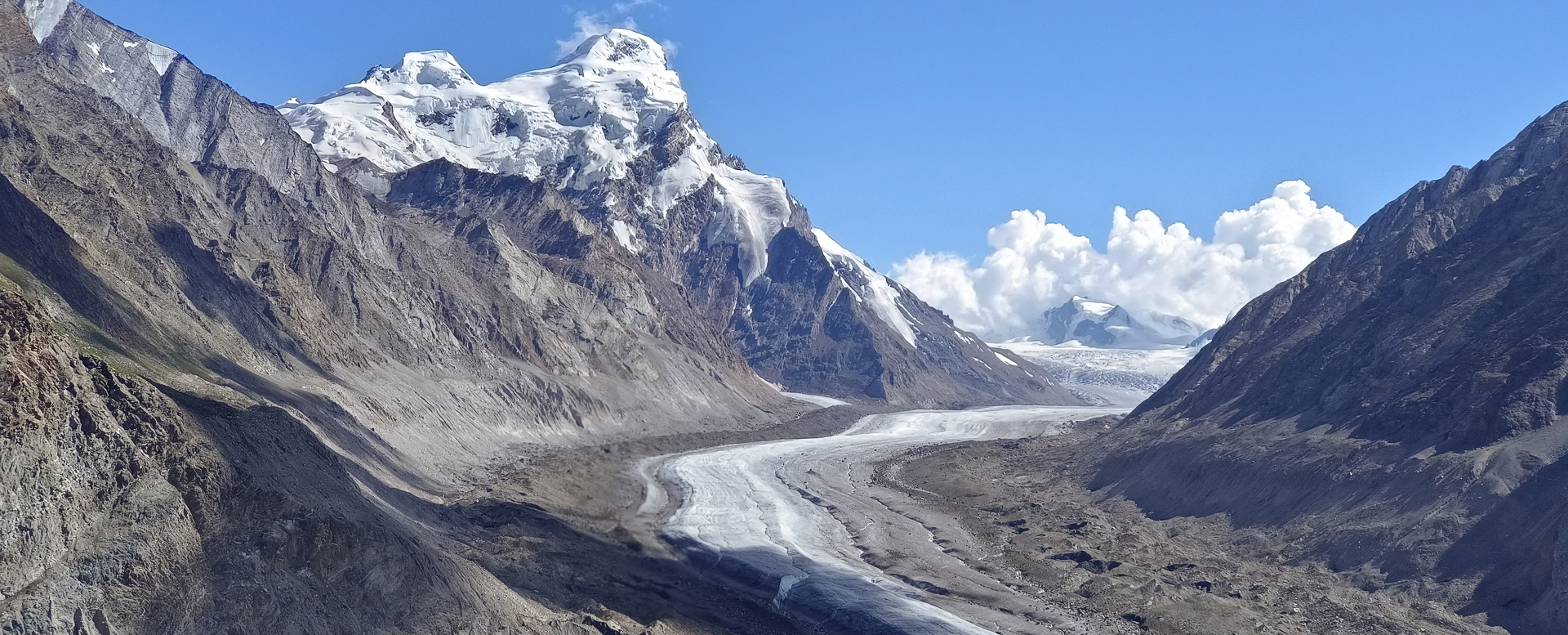
Leaving Padum, a short drive to Ating village, and continuing to Tungri. Take a diversion to the left to the Bardur River beside Stod Valley. Dzonkhul belongs to the Drukpa sect of Tibetan Buddhism &is traditionally home to famous yoginis. Dzonkhul is also a starting point of the trek that leads to Umasi la, which joins Zanskar and Pangi Kishtwar. Built directly on a rock wall with two caves behind. The Huchot festival is famous at Dzonkhul. After visiting Dzonkhu,l we drive back to Tungri and pass many small villages along the route to Penzi La. Penzi La is known as "The gateway to Zanskar," which connects the Suru Valley to the Zanskar region. The Nun (7,135m) and Kun (7,077m) peaks, both above 7,000m, can be seen. The Drang Drung glacier to the Eastern flank of Penzi La is the source of the Stod or Doda River, which flows into central Zanskar and joins with Tsarap Chu to form the Zanskar River. After visiting the Penzi La, drive to Rangdum plains and pass through the beautiful Suru Valley to Kargil for an overnight stay.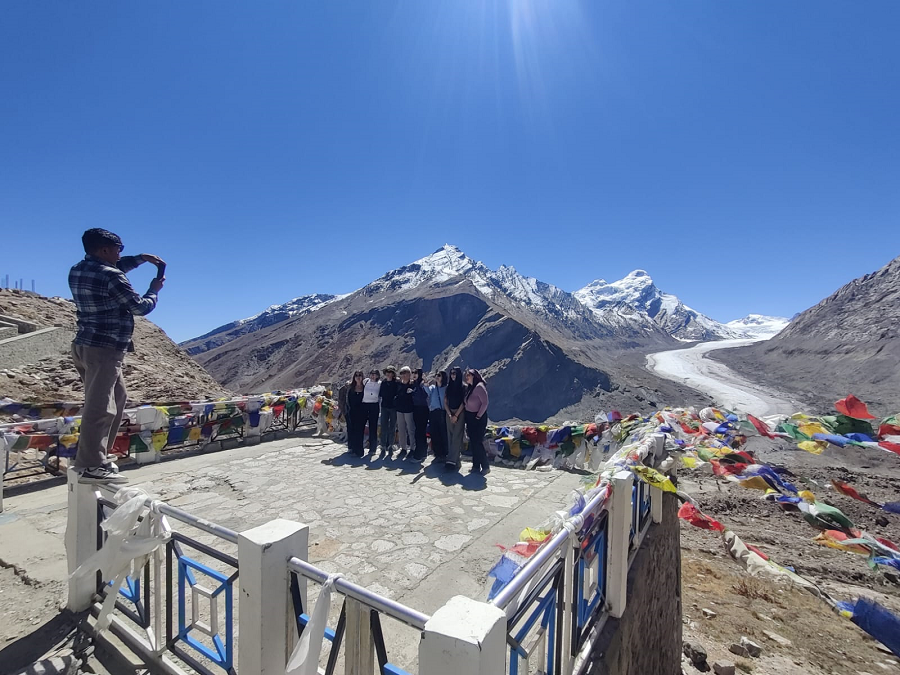
Day 5: Kargil – Mulbekh Chamba (3,250m) – Fotu La (4,109m) – Lamayuru (3,550m) – Khaltse (3,000m) - Alchi (3,100 m) - Leh (3,600 m).
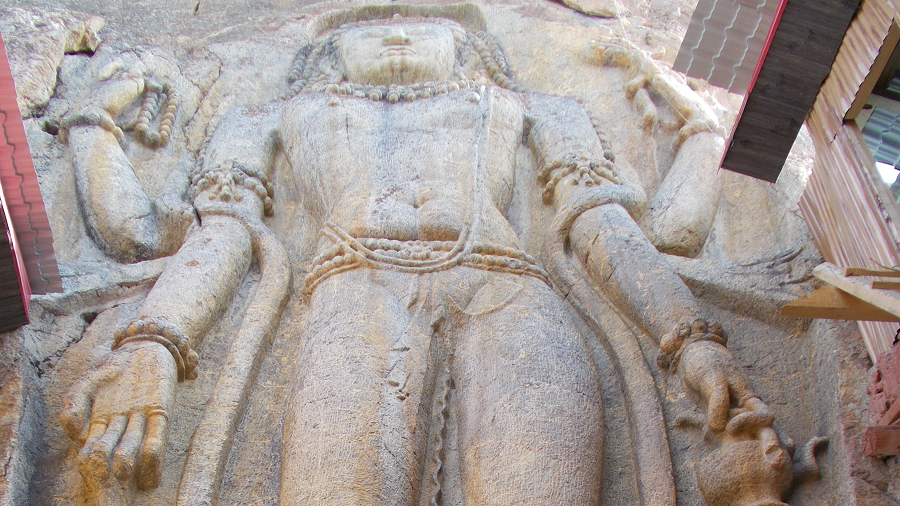
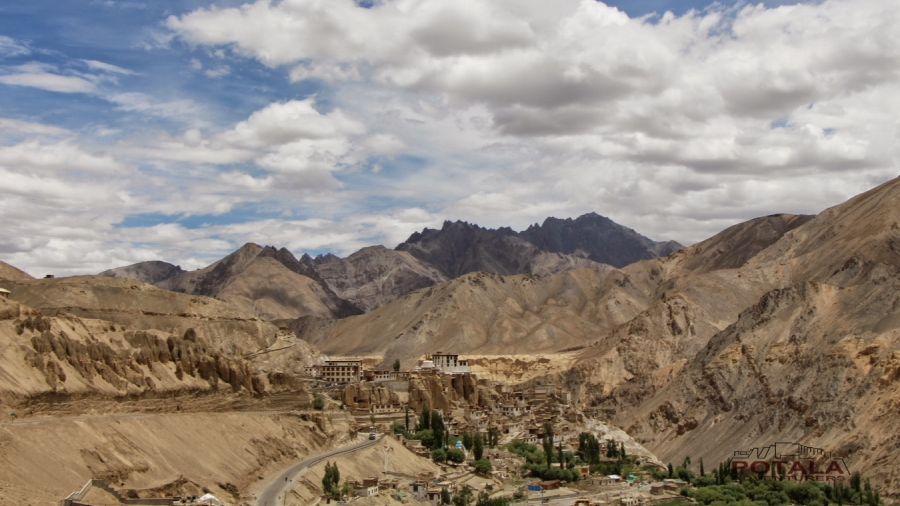
You continue to join the Srinagar – Leh highway and take this road to Lamayuru, passing through Mulbek, Chamba, and Fotu La small pass. We drive to the Alchi monastery, situated at a distance of 68 km from Leh. Its monastery is built on lowlands rather than on a hilltop, as others are, to protect from enemies. The Chortens around Alchi Gompa contain numerous murals of Lotsava Rinchen Zangpo, who built this monastery. The Alchi monastery has a vast collection of wall paintings and wood sculptures. After the visit, we continue our journey to Leh, where our 5-day trip comes to an end.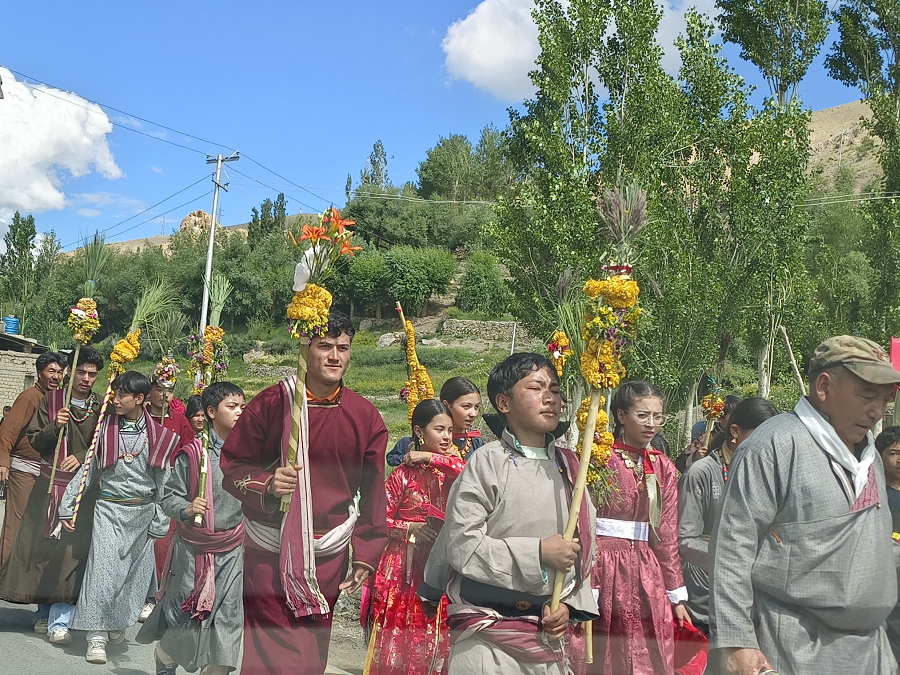
Starting
the trip from Manali, which is located at the head of the lush green Kullu
valley. Leaving Manali first to Solang and then to the Atal Tunnel, which is
now the new gateway to Lahaul, Spiti, Pangi, and Zanskar Valley. The landscape
changes dramatically, the greenery being replaced by barren hillsides,
surrounded by high peaks, and hanging glaciers, and the village with its
bountiful fields of barley, peas, and potatoes, stands out in stark contrast.
On entering Lahaul, the Buddhist influence is visible in the many monasteries
crossed on the way. The people here have distinct Tibetan features. From Tandi
along the Bhaga River to Keylong and to Jispa, continue Jispa to Darcha and to
Chikka & Rarik, the last two villages before Shinku La. Crossing the bridge
at Palamo and then along the river to Zanskar Sumdo. Leaving Zanskar
Sumdo, the road passes through the second bridge and then up the right-hand
valley following the stream, which comes from Shinku La. The highest point of
our trip was at 5,090 meters. On top of Shinku La, there are prayer flags and
mani stones that tell the story of those people who crossed over years back.
With an impressive view of the Zanskar side of the valley, with summits rising
above 6000 m of the Great Himalayan range. The road descends to Pankeya, and
further to Lakhong, we reach the valley floor. Lakhong is high pasture land for
yaks, dzo, and sheep, where domestic animals are kept during summertime and
produce cheese and butter for winter stock. Along the right bank of Kurgiakh
chu and below the mass of fallen rocks of Gumbok Rangan peak. We finally arrive
at Kurgiakh, the first village of Zanskar. We pass the Karu, Tangze village, to
a series of stupas before reaching Purne. Purne is situated at the confluence
between Tsarap and Kurgiak chu and forms the Lungnak River valley.
Purne
to Phuktal distance: There is a road that goes along the left bank of the
Tsarap River up to a wooden bridge before Phuktal monastery, a hike for an
hour. It's 2 to 3 hours for the Phuktal hike & visit, also called Phukthar.
This monastery is built under a huge cave, and it belongs to the Gelukpa sect
of Tibetan Buddhism. There is a stone tablet that serves as a reminder of the
stay of Alexander Csoma de Koros at Phuktal, while he worked on the first English-Tibetan
dictionary between 1826 and 1827, when he explored Ladakh.
Leaving Phuktal back to Purne and the zig-zag road to Cha village. The road
passes through the beautiful village of Raru. En route, passing and
visiting Bardan gompa, continue to drive to Padum.
Today,
visits to major attractions in Central Zanskar. At the first visit to Karsha
monastery. Karsha is one of the biggest monastic complexes in the Zanskar
region.
Leaving Karsha to Thongde, which is built on a hilltop by Lama Marpa and is
more than 950 years old, finally drive to visit Zangla Fort. Visiting Zangla,
and finally to visit the Sani monastery & the small Lake.
Leaving
Padum, a short drive to Ating village, and continuing to Tungri. Take a
diversion to the left to the Bardur River beside Stod Valley. Dzonkhul belongs
to the Drukpa sect of Tibetan Buddhism &is traditionally home to famous
yoginis. Dzonkhul is also a starting point of the trek that leads to Umasi la,
which joins Zanskar and Pangi Kishtwar. Built directly on a rock wall with two
caves behind. The Huchot festival is famous at Dzonkhul. After visiting
Dzonkhu,l we drive back to Tungri and pass many small villages along the
route to Penzi La. Penzi La is known as "The gateway to
Zanskar," which connects the Suru Valley to the Zanskar region. The Nun
(7,135m) and Kun (7,077m) peaks, both above 7,000m, can be seen. The Drang
Drung glacier to the Eastern flank of Penzi La is the source of the Stod or
Doda River, which flows into central Zanskar and joins with Tsarap Chu to form
the Zanskar River. After visiting the Penzi La, drive to Rangdum plains and
pass through the beautiful Suru Valley to Kargil for an overnight stay.
You
continue to join the Srinagar – Leh highway and take this road to Lamayuru,
passing through Mulbek, Chamba, and Fotu La small pass. We drive to the Alchi monastery,
situated at a distance of 68 km from Leh. Its monastery is built on lowlands
rather than on a hilltop, as others are, to protect from enemies. The Chortens
around Alchi Gompa contain numerous murals of Lotsava Rinchen Zangpo, who built
this monastery. The Alchi monastery has a vast collection of wall
paintings and wood sculptures. After the visit, we continue our journey to
Leh, where our 5-day trip comes to an end.
- All ground transportation to & fro as per the itinerary, Manali - Padum - Leh with an experienced driver.
- 4 nights of hotel accommodation at MAPI plan.
- First aid medical kit with mini oxygen bottles.
- Mineral water.
× Domestic flight.
× Lunch while on tour.
× Hotel in Manali & Leh.
× Travel insurance.
× Soft or hard drinks.
× Entrance fee at monasteries.
× Any unforeseen cost arises from natural hazards rain, snow, or roadblocks which cost extra lodging & boarding beyond the trip Schedule.
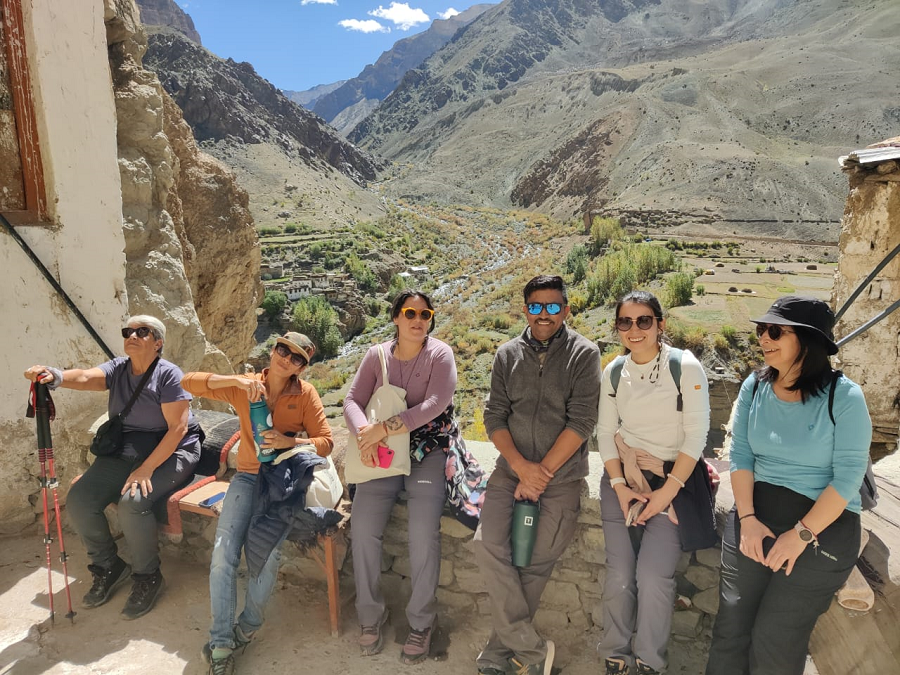
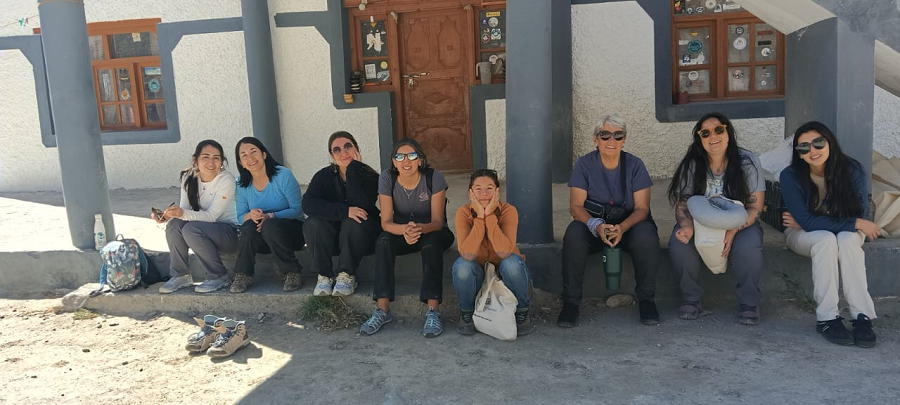
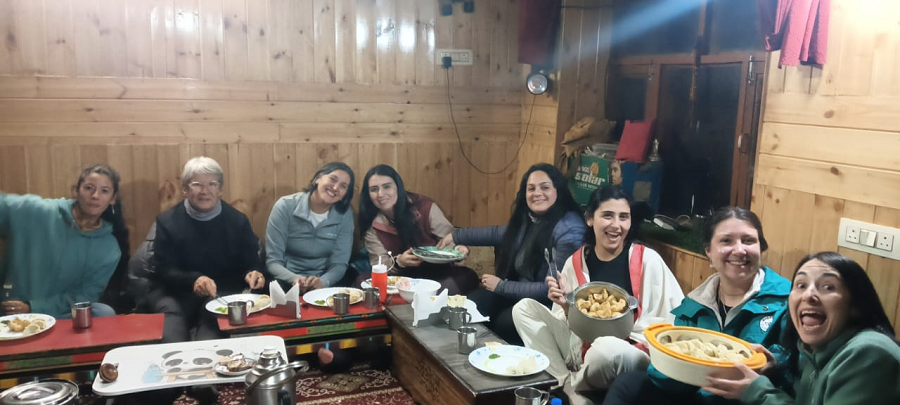
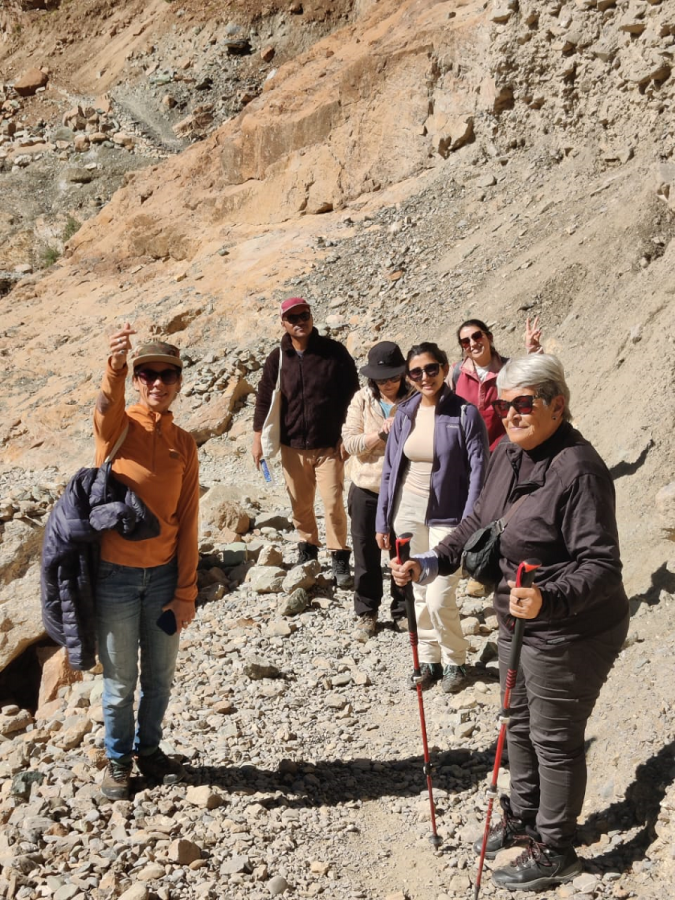
“We enjoyed the trip very much.The arrangements you made throughout the tour was excellent,staff was expert and helpful,in future will request you for such types of tour and definitely will recommend our friends/relatives etc. Regards and thanks”.